 Follow Us on Google News


 Follow Us on Google Discover
 Nigeria is endowed with vast water resources, boasting an estimated annual surface water discharge of 267 billion cubic meters and approximately 52 billion cubic meters of groundwater potential. Yet millions of Nigerians continue to struggle with access to clean and reliable water, a paradox that reflects not only internal challenges but also the broader global trend of emerging water scarcity driven by climate change, rapid urbanization, and environmental degradation.
[ad]
Traditional sector-based approaches to water management in Nigeria have often resulted in fragmented efforts and inefficient use of resources. In recent years, Integrated Water Resources Management (IWRM) has emerged as a comprehensive strategy, emphasizing the coordinated development and management of water, land, and related resources. Efforts led by the Federal Ministry of Water Resources, the Nigeria Integrated Water Resources Management Commission, and the eleven River Basin Development Authorities are underway, yet challenges such as overlapping jurisdictional mandates, insufficient data and monitoring systems, and chronic financial constraints remain significant hurdles.
Amid this complex landscape, global water scarcity is becoming an ever-more urgent issue. Rising temperatures, erratic precipitation patterns, and rapid urban growth are placing unprecedented pressure on freshwater supplies around the world. Regions across Asia, the Middle East, and parts of Europe now face heightened water stress, underscoring the need for sustainable and integrated water management practices that can adapt to these shifting conditions.
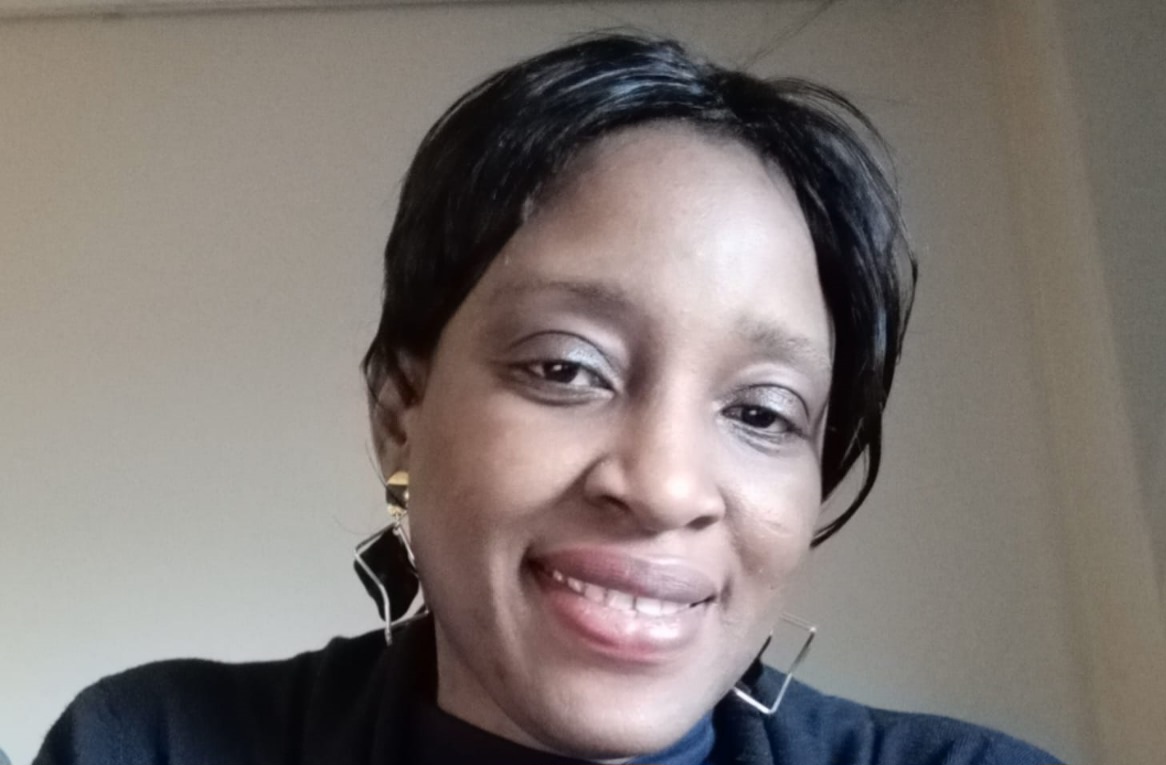
At a recent stakeholder meeting on water challenges across the African continent, I had the opportunity to engage with Dr. Mariam Iyabo Adeoba, a distinguished water resource manager and researcher with a Ph.D. in Zoology. Dr. Adeoba has made critical contributions to the field through her extensive portfolio of publications in high-impact journals, where her work on nature-based solutions has provided innovative insights into sustainable water treatment. Her research, which highlights the practical use of constructed wetlands and other ecological approaches, has been instrumental in reframing wastewater treatment as not merely a challenge but as an opportunity to harness natural processes for improved water quality and resource recovery.
Beyond her academic contributions, Dr. Adeoba has played a pivotal role in mentoring emerging professionals in the field of water resources. She has supervised numerous graduate students, many of whom are now contributing to research and practical projects aimed at sustainable water management across Nigeria. Her commitment to capacity building extends to her active involvement in volunteering with local non-governmental organizations, where she works directly with communities to implement water conservation and management projects. This hands-on approach has not only helped in raising awareness about sustainable practices but also fostered a culture of community-led water management initiatives.
Dr. Adeoba is also a vocal advocate for policy reform. During our discussion, she offered a series of forward-thinking recommendations to the African Union Commission, aimed at addressing water scarcity and related challenges across the continent. Among her proposals was the adoption of a continent-wide integrated water resource management strategy, one that harmonizes national policies with broader sustainability goals. She argued that the African Union should invest in modern hydrological monitoring systems and establish pan-African research networks to facilitate data sharing and innovation. Moreover, she stressed the importance of standardizing water management practices across borders, which would enhance regional cooperation and ensure that natural ecosystems are protected while addressing the needs of growing populations. “By standardizing water management practices and fostering regional cooperation, we can create resilient ecosystems and secure sustainable access to clean water for all African nations,” she remarked, emphasizing the urgency of coordinated action.
Dr. Adeoba’s comprehensive approach, which spans rigorous academic research, dedicated mentoring, and active volunteering, underscores the multifaceted nature of effective water resource management. Her recommendations for policy reform are not only grounded in scientific research but also enriched by practical experience. They offer a realistic roadmap for transforming water management practices—one that could empower the African continent to meet current challenges and build resilience against future uncertainties.

Nigeria’s struggle with managing its abundant yet unevenly distributed water resources mirrors a broader global issue. As pressures on freshwater supplies intensify, the insights and initiatives championed by experts like Dr. Adeoba provide a roadmap for transformative change. Through coordinated institutional reforms, technological investments, community-led initiatives, and visionary policy recommendations, Nigeria and indeed the entire continent can overcome the challenges of water scarcity and secure a sustainable future for all.
[ad]

