 Follow Us on Google News
 Follow Us on Google Discover
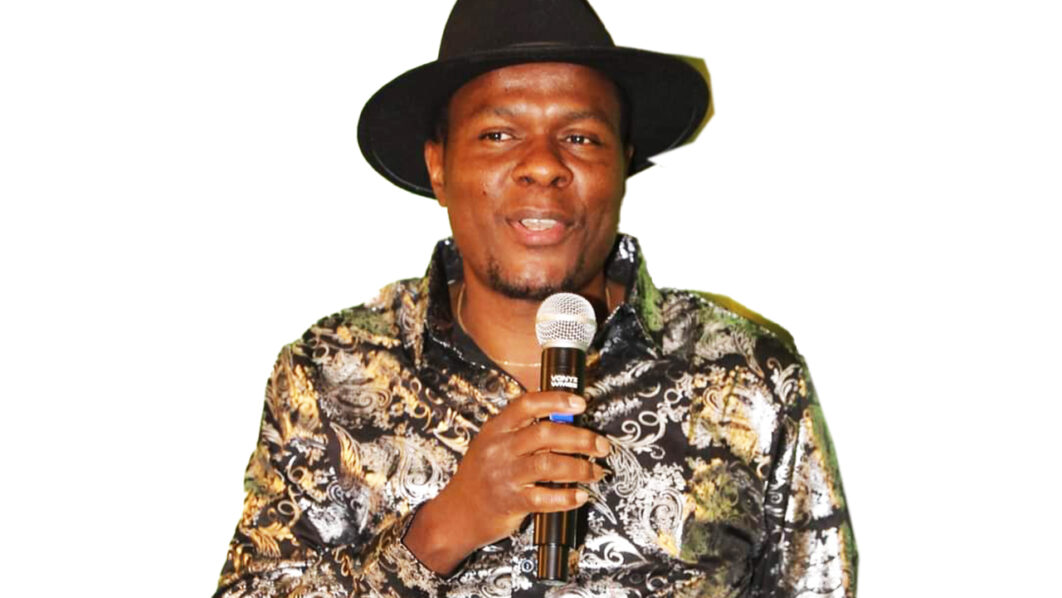
With a wealth of experience behind him, as an actor, continuity, production manager, producer assistant, producer and director Ephraim Onyemaechi speaks with AJULUCHUKWU BROWN intriguing insights about his latest project, revealing the creative processes and challenges he faced along the way. Additionally, he offers his thoughtful perspective on the phenomenon of the YouTube craze, discussing its impact on the industry and the ways it has transformed content creation for aspiring filmmakers
[ad]
So who is Ephraim Onyemaechi Chiejina?
I’m a native of Ogbunike, Oyi Council of Anambra State. I studied Mass Communication at the Institute of Management Technology (IMT), Enugu. I’m the CEO of Lastborn Films USA. Currently, I’m in my final studies in criminal justice here in the USA.
Tell us about your background in filmmaking?
I joined the movie industry in the year 1998 in Enugu as part of the extras in a couple of productions. My journey started as a production assistant under the watchful eyes of Mr. Uzo Okpechi and Mr. Simisola Opeoluwa himself, but I later rose to the position of a coordinator as well as a continuity person in the years 2000 and 2001 respectively. I also won a recognition award from the Censors’ Board during my stint as a continuity person. In 2005, I joined Annex Merchandise as an assistant director. I have played key roles in the making of notable stars like Yul Edochie, Queen Nwokoye, and many more. I have also worked with all notable names in the industry and have been involved in about 400 movies as an actor, production assistant, continuity, production manager, assistant director, producer, and director.
What are the jobs you have done as a director or producer?
I produced and co-directed Beautiful Soul, which in 2009, was nominated for AMA Awards in the Best Nigerian Movie, Soundtrack, and Original Screenplay Categories. I have also won NAFCA USA 2017 Best Comedy for the movie, Body Melody, among others. I just premiered my last movie two weeks ago, titled, Ezedioramma.
Tell us about your latest project?
Ezedioramma is basically about the life, times, and challenges faced by our late Igwe: The prophecies about his ascension to the throne, his various philanthropic works, and his achievements in Ogbunike before and after he was crowned king. It features Browny Igboegwu, Sochima Pascal, Adaeze Philo, and many other brilliant performers. It is directed and produced by myself and shot in locations within Ogbunike.
What inspired the project?
The inspiration behind this project comes from the desire to foster a sense of unity and cultural pride among the people of Ogbunike, both in Nigeria and abroad. The Igwe’s call reflects a vision for the future, where both local residents and those living abroad are actively involved in the community’s growth and prosperity. This includes acknowledging their shared heritage and collective responsibility to develop the area.
[ad]
What were the challenges?
The challenges were not too prominent. It took me 4 months to plan, and my experience in the movie industry for over a decade helped me navigate through the planning and pre-production process. Once there is a budget and a script, other elements will fall into place. I sincerely thank Chief Anene Osadebe and Chief Eric Anyaegbunam for their invaluable input in shaping the story. Their dedication and vision played a crucial role in bringing this project to life.
What is the societal relevance of the story?
It imbibes the consciousness of unity and collective responsibility, cultural preservation, engagement with the diaspora, and community development. In essence, the project highlights that community development is a shared responsibility, requiring both local commitment and global support. It is a call to action for all Ogbunike people to contribute, ensuring the town’s progress while preserving its cultural heritage and strengthening the bonds of unity.

Your take on the sudden craze to create individual YouTube channels? Doesn’t it affect the collaborative pyramid of filmmaking?
The rise of YouTube and individual content creation brings new opportunities for empowerment and personal branding; it also presents challenges for the traditional collaborative nature of filmmaking. It’s a question of how both can coexist and how individuals can balance personal projects with the collaborative, collective work that defines the magic of film production. It is a welcome development for most of us in the diaspora and for many actors who don’t have direct contact with DSTV, which happens to be the only hope of a common man in the quest to showcase their movie and make their investment. It allows for employment, autonomy, and direct engagement with the audience.
[ad]

