 Follow Us on Google News
 Follow Us on Google Discover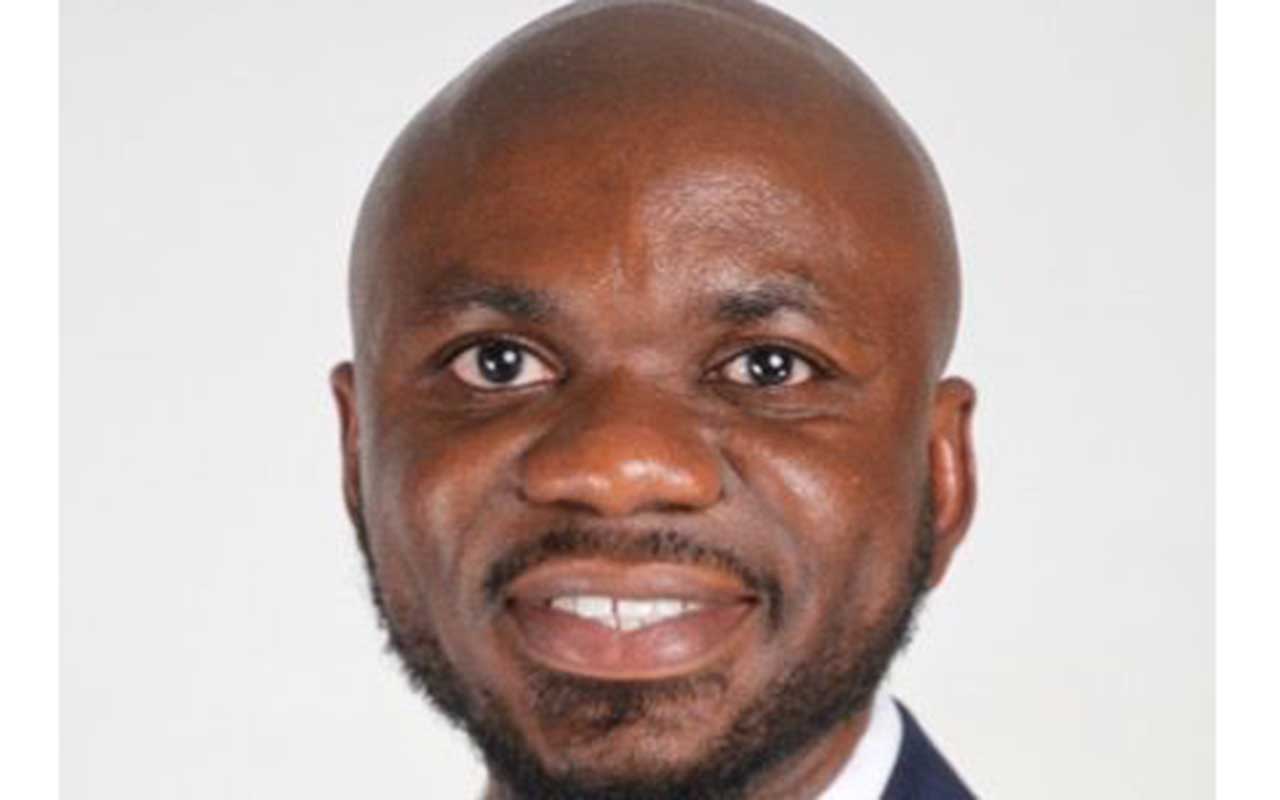
In the heart of Nigeria’s industrial transformation, where turbines churn and power grids pulse with energy, there exists an invisible frontline — the maintenance workers who risk their lives daily to keep energy facilities running. These are the unsung heroes of our national grid. Yet, in too many cases, their sacrifices are met with silence.
That silence is now being broken — by research that speaks volumes.
Osheyor Joachim Gidiagba, a rising force in engineering innovation and a doctoral researcher in Mechanical Engineering, is championing a new era of worker-centric safety in Nigeria’s energy sector.
His recent review, titled “Protecting Energy Workers: A Review of Human Factors in Maintenance Accidents and Implications for Safety Improvement,” is not just an academic exercise — it’s a clarion call to protect the very hands that power our nation.
Nigeria’s energy sector employs tens of thousands, yet human-factor-related maintenance accidents account for over 60% of workplace injuries in the industry, according to Gidiagba’s research. These are not merely accidents of fate. They are, as he describes, “failures in system design, organizational culture, and leadership awareness.”
Gidiagba’s research delves deep into the root causes of these incidents: fatigue, poor task planning, miscommunication, and inadequate training on evolving technologies. Drawing on a meta-analysis of over 150 industrial case studies and field interviews with frontline workers, the research unearths a pattern — one that links safety lapses not to negligence, but to systemic oversights in human-centered engineering.
While many researchers stop at publication, Gidiagba’s work is being felt on the ground. Through partnerships with energy facility managers, engineering firms, and safety regulators, his findings are already being integrated into training curricula and operational protocols.
One such recommendation — the introduction of AI-powered fatigue detection systems — is being piloted in two major energy installations in the South-South region. The goal? To reduce technician-related human error by 30% within 18 months.
He has also worked with safety compliance teams to redefine hazard communication frameworks, incorporating user-centered safety signage, multilingual briefings, and pre-maintenance simulation drills. These changes have already led to a 23% drop in minor accidents in pilot facilities.
“Engineering should not just be about innovation; it should be about impact,” Joachim says. “If we can create smarter machines, we can also create smarter protections for the people who work on them.”
Gidiagba’s research is now under review by Nigeria’s Ministry of Labour and Employment for possible adoption into the National Safety Guidelines for Industrial Maintenance. He has also been invited to present his findings at the Pan-African Conference on Energy Safety, where leaders from across the continent are seeking frameworks that address the human cost of industrial progress.
But perhaps the most profound impact has been on organizational culture. Companies inspired by his work are now: Conducting psychological safety audits before major facility turnarounds. Embedding human factors engineering into maintenance design stages. Prioritizing worker feedback loops in operational planning.
While grounded in Nigeria’s context, Gidiagba’s framework is designed for scalability across Africa — a continent where energy expansion is accelerating, but safety mechanisms often lag.
His model recommends region-specific safety training tools, low-bandwidth digital reporting apps for remote areas, and the creation of a pan-African safety knowledge hub for engineers and technicians. These tools aim to bridge the gap between policy and practice, especially in underserved energy communities.
At the core of Joachim’s mission is a belief that engineering must serve people first. Through his social-impact initiative AIZEN, he mentors young African engineers to view innovation through the lens of ethics, empathy, and equity.
“If one technician can go home safely because of something I researched, that’s worth more than any title,” he says.
Osheyor Joachim Gidiagba is not just shaping machines — he’s shaping mindsets. His research proves that safety isn’t a box to tick; it’s a promise to uphold. And in a sector that lights up cities, powers industries, and drives economies, it is time that we power safety with the same intensity.
Thanks to Gidiagba’s work, the silent voices of Nigeria’s energy workers are being heard — in policy rooms, on factory floors, and within engineering schools. Their safety is no longer an afterthought.
It is becoming a standard. A responsibility. And, because of this research, a future reality.

