 Follow Us on Google News


 Follow Us on Google Discover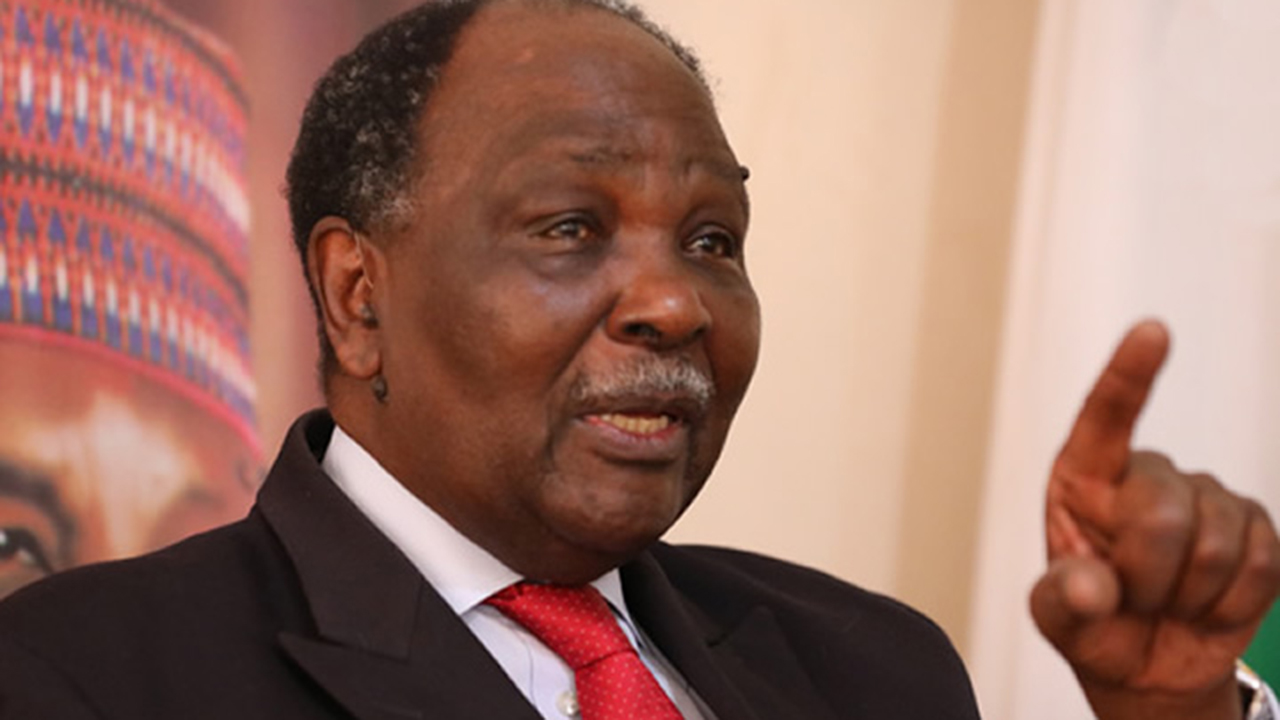
The Igbo Women Assembly (IWA) has stated that honouring victims of the Nigerian Civil War is a proper and globally recognized practice, and should not be criminalized or misunderstood.
Speaking at the weekend in reaction to the annual May 30th commemoration of civil war victims, IWA’s National President, Lolo Nneka Chimezie, emphasized that the remembrance is a solemn exercise of reflection and honour, not a rebellious act.
The civil war, which ended on May 30, 1970, claimed the lives of thousands—soldiers and civilians alike—many of whom died from hunger, violence, and displacement, especially in the South-East region. In memory of the war, residents in the region have often observed May 30 as a day of reflection, staying at home and praying that such a tragedy never repeats.
While some have condemned the observance and linked it to separatist agitation and sit-at-home orders allegedly imposed by the Indigenous People of Biafra (IPOB), IWA insists that honouring the dead is a fundamental act of dignity.
“There is absolutely nothing wrong with honouring victims of the Nigerian civil war. It is a form of remembrance practiced globally. Reflecting on the war and its causes is essential for posterity,” Chimezie said.
She called on former Head of State, General Yakubu Gowon, under whose regime the war occurred, to tell Nigerians the full truth about the conflict, including what really happened at the 1967 Aburi Accord in Ghana.

“It is time General Gowon reveals the truth about the Biafra war and the Aburi Accord. We pray God grants him long life to make this confession, for true healing and reconciliation,” she said.
According to IWA, the continued suppression of historical truths and lack of official acknowledgement or apology to Ndigbo have fueled renewed agitation in the region.
Chimezie questioned why the Federal Government has not officially apologized to the Igbo people for the war, especially after recent revelations that the 1966 coup—long tagged as an “Igbo coup”—was misrepresented.
“Our research shows the war was avoidable. If the government could recognize June 12 in honour of MKO Abiola, why can’t it honour Biafrans who died during the civil war?” she asked.
She added that the war dead were not just statistics. “They were our husbands, brothers, and sons. Setting aside a day to remember them should not be considered a crime,” she declared.
IWA also pushed back against the narrative that IPOB members are solely responsible for insecurity in the South-East, blaming instead “criminal elements sponsored by enemies of Ndigbo.”
Furthermore, the group urged the Nigerian government to explore peaceful dialogue with genuine agitators instead of deploying brute force. They also called on Igbo political leaders to prioritize unity and the collective good over personal ambitions.
Chimezie added: “Biafra Day is not about IPOB—it is about history. Even the unborn generations will be told of it. Remembering our fallen heroes is our right and should never be erased or criminalized.”

