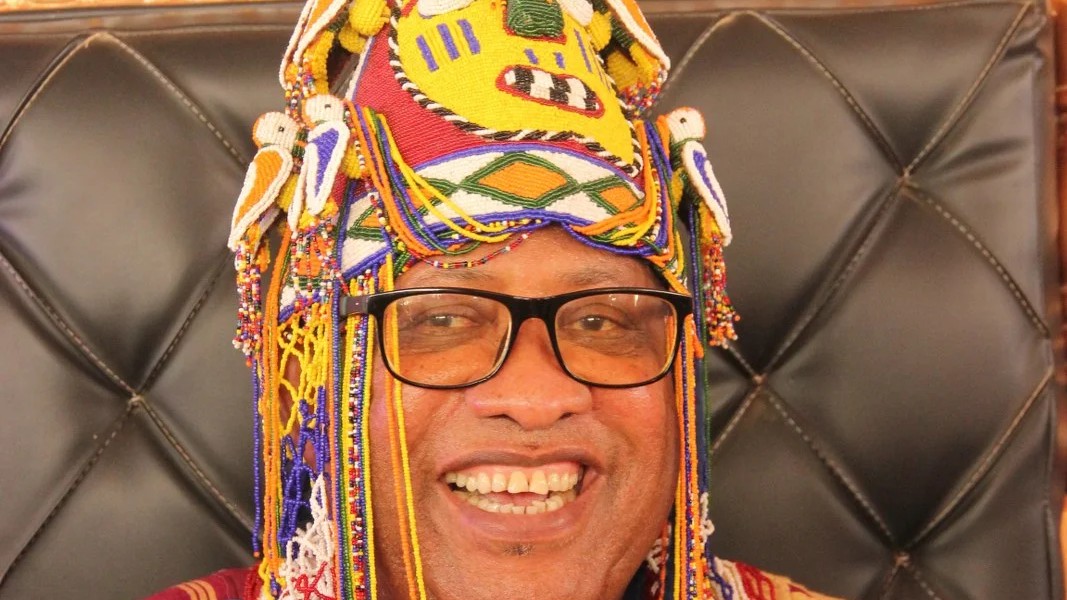
In a healthcare system as vast and fragmented as that of the United States, it is rare for emerging voices: especially from outside its borders to not only join the conversation but meaningfully reshape it. Yet that is exactly what Nigerian scholar Damilola Osamika is doing. With his incisive research titled Advances in Public-Private Partnerships for Expanding Telehealth Services to Medicaid and Uninsured Populations, Osamika has positioned himself as a pivotal figure in the ongoing effort to ensure that digital health innovation works for everyone, not just those with privilege, insurance, or proximity to care.
At a time when the United States is reckoning with deep-rooted disparities in healthcare: particularly among low-income, rural, and minority populations—Osamika’s work could not be more relevant. His study directly confronts one of the most urgent policy challenges in American public health: ensuring that the surge in telehealth access catalyzed by the COVID-19 pandemic is not temporary or exclusive, but sustained and inclusive. With over 90 million Americans reliant on Medicaid and tens of millions more remaining uninsured, his research emerges as a blueprint for structural equity in the digital health era.
What sets Osamika’s work apart is its depth, nuance, and unwavering commitment to public good. Rather than treating telehealth as a mere convenience, he frames it as a critical public utility, an indispensable bridge for people who live far from medical centers, lack transportation, or have been historically excluded from mainstream healthcare systems. Through detailed analysis of U.S.-based case studies and policy shifts, Osamika illustrates how public-private partnerships (PPPs) have evolved into powerful vehicles for closing these care gaps.
His research meticulously outlines how state Medicaid agencies, nonprofit clinics, community health workers, and private technology firms have collaboratively deployed virtual health platforms to reach patients once considered inaccessible. Osamika doesn’t just praise these efforts: he critiques and refines them, calling for broader reimbursement mechanisms, permanent regulatory reforms, and investments in broadband infrastructure that go beyond stop-gap measures. His vision is bold yet actionable, combining innovation with empathy, and policy with pragmatism.
Osamika’s perspective is informed not only by rigorous policy analysis, but by his unique transnational lens. As a Nigerian scholar embedded in U.S. policy discourse, he brings a rare ability to see American health inequities both from within and without. He speaks the language of health equity not just as an academic concept, but as a lived experience. This global insight deepens his arguments on the digital divide, where access to devices, reliable internet, and basic digital literacy determine whether or not someone can receive medical care in a virtual world.
In one striking section of his research, Osamika recounts how state governments collaborated with tech companies during the pandemic to distribute Wi-Fi hotspots and tablets to patients in need. While these interventions were lauded, he warns against complacency. These efforts, he argues, must not remain isolated emergency responses. Instead, they should inform a permanent framework, underwritten by federal agencies like CMS and HHS that makes telehealth a standard part of care delivery, especially for the most marginalized populations.
His work is also a cautionary tale. Osamika writes candidly about the risks of over-commercializing digital health without guardrails. He warns that without appropriate regulatory frameworks, private interests could erode public accountability and widen disparities. To avoid this, he offers a compelling case for federal leadership in setting clear metrics for equity, standardizing licensure and credentialing, and funding research into culturally competent care platforms.
At the core of Osamika’s study is a moral argument: that healthcare, especially in its digital form, must be governed by justice: not market logic alone. He highlights the disproportionate impact of structural racism and poverty on healthcare access in the U.S., and calls for participatory governance that includes patients, community leaders, and frontline providers in the design and rollout of telehealth systems.
His timing couldn’t be more urgent. As federal policymakers debate how much of the telehealth expansion to preserve post-pandemic, Osamika’s research is being read not just in academic journals but in government offices and nonprofit boardrooms. His recommendations to codify pandemic-era waivers into permanent reforms, integrate digital tools with Medicaid managed care programs, and invest in rural broadband infrastructure are already informing national strategies.
The reception to his work has been striking. From Washington, D.C. to state capitals, Osamika is fast becoming a reference point for how to responsibly scale telehealth in a way that prioritizes the needs of Medicaid enrollees, the uninsured, and those at the margins of the healthcare system. What’s more, he brings clarity and conviction to a policy arena often dominated by jargon and inertia. His writing is unflinching but hopeful, technical yet grounded in the human stakes of public health failure.
Damilola Osamika’s journey from Nigeria to the epicenter of U.S. healthcare reform is a story of global talent at its best. His scholarship proves that international perspectives are not peripheral, but essential to solving domestic crises. In reframing telehealth as a tool for justice, and public-private partnerships as instruments of reform rather than profit, Osamika is helping to chart a path toward a more inclusive American healthcare system.
He is, without question, one of the brightest emerging minds shaping the future of health equity in the United States. And as the nation continues to define what “universal access” means in a digital world, it would do well to keep listening to voices like his voices that carry both the urgency of experience and the clarity of vision.