 Follow Us on Google News
 Follow Us on Google Discover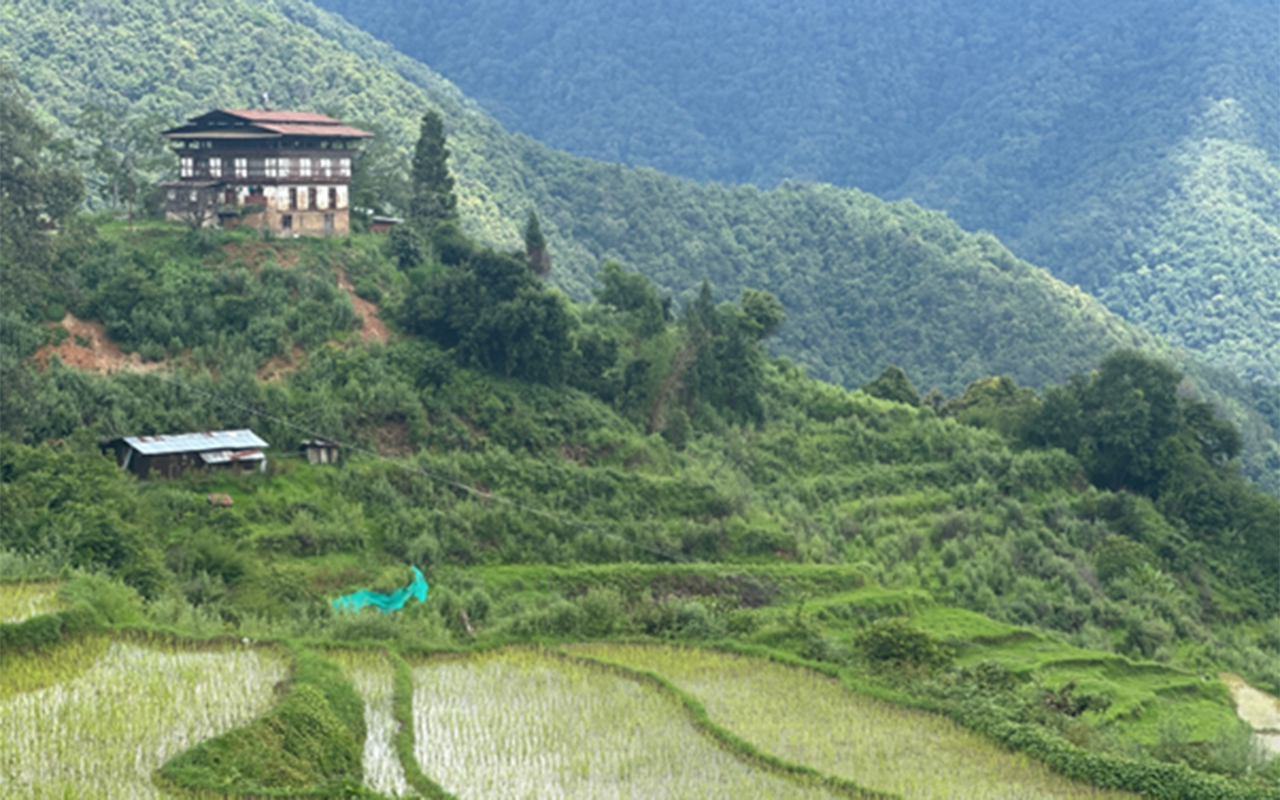
Bhutan, the “Land of the Thunder Dragon,” isn’t just a destination; it’s an experience steeped in ancient Buddhist culture, breathtaking Himalayan landscapes, and a profound philosophy prioritizing Gross National Happiness. Traveling here is intentionally mindful, preserving its pristine environment and unique traditions. Forget mass tourism – a journey to Bhutan is a curated, intimate exploration. Let’s unlock the essentials for your unforgettable Bhutanese adventure, including paths less trodden.
Traditional Bhutanese House
The Bhutan Visa: Your Golden Ticket (Mandatory & Managed)
Unlike most countries, you cannot simply apply for a Bhutanese visa independently. Tourism is highly regulated to ensure sustainability and quality. Here’s the streamlined process for Bhutan Visa:
- Book Through a Licensed Tour Operator:This is non-negotiable. All Bhutan tours must be arranged and paid for in advance through a Bhutanese tour operator licensed by the Tourism Council of Bhutan (TCB). They handle everything.
- Pay the mandatory SDF:
Sustainable Development Fee (SDF): The cornerstone, directly funding free healthcare, education, and poverty alleviation. Crucially:
- Standard SDF:$100 USD per person per night.
- Discounted SDF (Limited Time):$100 USD per adult per night remains standard, but always check the TCB website for potential regional discounts or incentives as Bhutan sometimes offers these to stimulate tourism from specific areas.
- Operator Obtains Your Visa:Once your tour is booked and paid for, the Bhutan Travel Agency submits your details and passport copy to the DOI. Your visa clearance letter is issued electronically. You receive this before travel.
- Arrival:Present your visa clearance letter at your port of entry (usually Paro Airport). Your actual visa is stamped into your passport upon arrival.
Must-See Places: Bhutan’s Iconic Heart
While venturing off-path is magical, these classics define Bhutan’s essence:
- Paro Valley:Your gateway. Home to the international airport and the awe-inspiring:
- Taktsang Palphug Monastery (Tiger’s Nest):Clinging to a sheer cliff face 900m above the valley floor. The hike is challenging but utterly rewarding.
- Rinpung Dzong (Paro Dzong):A magnificent fortress-monastery exemplifying Bhutanese architecture.
- Thimphu:The unique capital city, blending tradition and modernity.
- Tashichho Dzong:The seat of government and central monastic body.
- Buddha Dordenma:A gigantic golden Buddha statue overlooking the valley.
- Folk Heritage Museum & National Textile Museum:Deep dives into traditional life and exquisite crafts.
- Centenary Farmers’ Market:A vibrant, colorful spectacle of local produce and goods.
- Punakha Valley:The ancient winter capital, warmer and fertile.
- Punakha Dzong:Arguably Bhutan’s most beautiful dzong, majestically situated at the confluence of the Pho Chhu and Mo Chhu rivers. A masterpiece.
- Chimi Lhakhang:The “Fertility Temple,” a unique pilgrimage site.
- Phobjikha Valley (Gangtey):A stunning glacial valley on the western slopes of the Black Mountains.
- Gangtey Monastery:An important Nyingmapa monastery.
- Black-Necked Crane Sanctuary:Winter home (Nov-Feb) to these endangered, elegant birds. Offers serene hikes.
- Bumthang Valley:The spiritual heartland, comprising four valleys (Chokhor, Tang, Ura, and Chhume). Known for:
- Jambay Lhakhang & Kurjey Lhakhang:Ancient, deeply revered temples.
- Tamshing Lhakhang:Famous for its ancient murals.
- Swiss Farm:Produces Bumthang’s famous cheeses, honey, and beers.
Venturing Off the Beaten Path: Discover Bhutan’s Hidden Soul
For those seeking deeper connection and solitude, Bhutan offers incredible hidden gems. Discuss these desires early to customize your itinerary:
- Haa Valley:Opened to tourism relatively recently, also voted for top 25 destination to visit in 2025 by BBC travel. Its near Paro but worlds away in atmosphere. Less developed, incredibly pristine.
- Lhakhang Karpo (White Temple) & Lhakhang Nagpo (Black Temple):Sacred ancient temples.
- Haa Summer Festival:(If timed right) Authentic local culture, nomadic lifestyles, traditional sports.
- Dramatic landscapes:Ideal for gentle hikes and mountain biking away from crowds.
- Merak & Sakteng Valleys (Eastern Bhutan):Home to the semi-nomadic Brokpa people with unique customs, vibrant dress, and distinctive felt tents. Requires a special permit.
- Unique Culture:Witness a way of life largely untouched by modernity.
- Stunning Rhododendron Forests:Especially breath-taking in spring bloom.
- High-Altitude Trekking:Offers challenging but rewarding trails.
Paro Valley only airport in Bhutan
- Dochula to Nobding Village Hike (Near Thimphu):Escape the Thimphu bustle quickly. Hike through forests and meadows to a traditional village, offering authentic interactions and panoramic views back towards the Dochula pass (famous for its 108 chortens).
- Bumdeling Wildlife Sanctuary (Trashiyangtse, NE):Remote and biodiverse. Known for the Bomdeling Monastery and as another wintering ground for Black-Necked Cranes. Offers incredible birdwatching and trekking in pristine wilderness.
- Ura Valley (Bumthang):The highest and most remote of the Bumthang valleys. Ura village features unique clustered houses and cobblestone streets. The Ura Yakchoe festival is a vibrant, less-visited spectacle.
Planning Your Journey to Bhutan: Tips on how to Plan Bhutan Tour?
- When to Go:Spring (March-May) for rhododendrons; Autumn (Sept-Nov) for clear skies & festivals; Winter (Dec-Feb) for crane season & fewer crowds (colder). Monsoon (June-Aug) is lush but wet.
- Book Early:Especially for peak seasons and popular festivals.
- Choose Your Operator Wisely:Research, read reviews, and communicate your interests (especially off-beat desires) clearly.
- Respect the Culture:Dress modestly (cover shoulders/knees in dzongs/temples), remove shoes before entering religious sites, ask permission before photographing people.
- Pack Layers:Mountain weather changes rapidly. Good walking shoes are essential.
- Embrace the Pace:Bhutanese travel is about immersion, not ticking boxes. Savor the moments.
The Final Ascent
Traveling to Bhutan is a privilege, offering a rare glimpse into a kingdom fiercely protective of its culture and environment. By embracing the structured visa system and partnering with a good operator, you gain access not just to iconic dzongs and stunning valleys, but to the possibility of venturing deeper. Whether you stand in awe before the Tiger’s Nest or share a cup of butter tea with Brokpa nomads in the remote east, Bhutan promises a journey that resonates long after you descend from its misty peaks. It’s a journey to a different way of being, truly off the beaten path of the modern world.

