 Follow Us on Google News


 Follow Us on Google Discover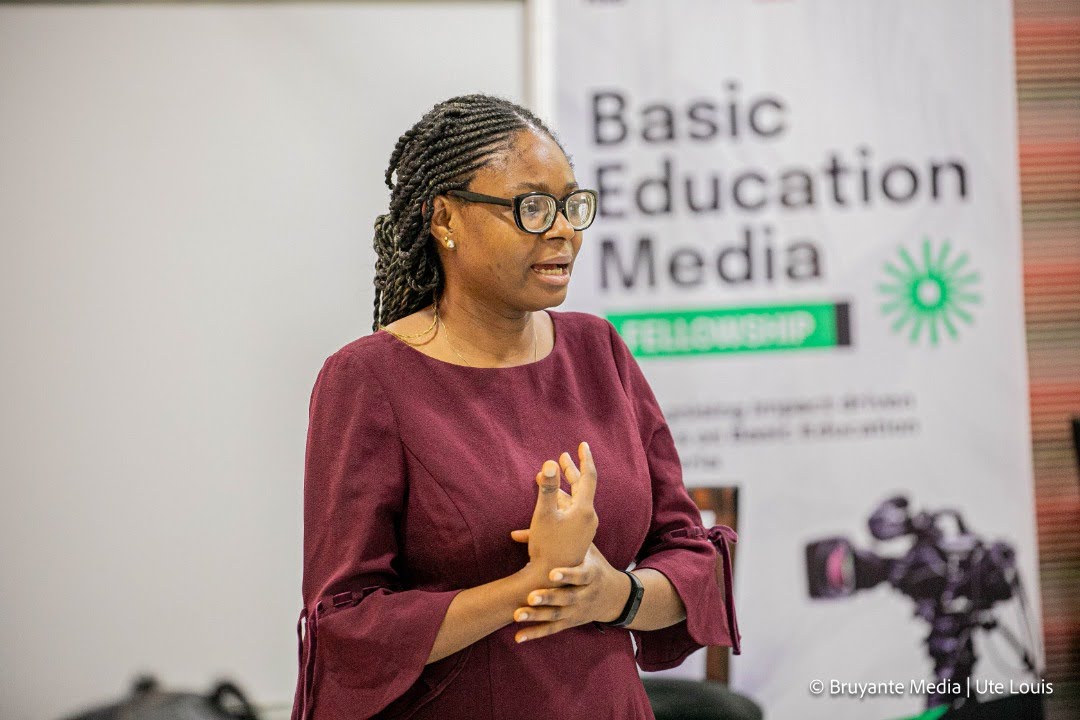
A development expert, Opeyemi Famodimu, has called for reforms within Nigeria’s basic education framework, including the creation of a centralised “UBEC Dashboard” to improve data tracking, funding accountability, and federal-state coordination.
In an interview on Monday, Famodimu highlighted persistent structural issues within the Universal Basic Education Commission (UBEC) system, which she said continue to undermine equitable access to quality education across the country, particularly for girls in Northern Nigeria.
Famodimu, with an who worked as a Programs Officer for Education and Girl-Child Literacy at YouthHubAfrica, where she spearheaded projects under the Rise Up for Girls, Malala Fund, and USAID initiatives aimed at advancing basic education in Nigeria. She managed Malala Fund initiatives and oversaw USAID-funded projects, and led advocacy points to overcome UBEC’s shortcomings.
Pointing at the challenge of increasing funds for basic education from the 2% Consolidated Revenue Fund mandated by the UBEC Act, which is often marred by erratic disbursement, Famodimu called for strict compliance with this levy through performance-based disbursements and vital legislative reform.
To address governance lapses and coordination failures, Famodimu proposed a unified digital monitoring tool, the “UBEC Dashboard”, that would centralise data and improve transparency across states. She also recommended formalised coordination channels between federal and state education stakeholders.
In response to the ongoing shortage of qualified teachers and weak community governance, she advocated for a “Teacher Support Surge” embedded in UBEC’s strategy, and the empowerment of School-Based Management Committees (SBMCs) with expanded responsibilities.

“Targeting poor and marginalised populations must become a priority within UBEC’s funding formula,” she said, adding that advocacy efforts should move beyond generic demands to strategic, structural calls pursued through broad-based coalitions.
She also called for the improved role of traditional and religious leaders in championing girl-child education in Northern Nigeria. Famodimu noted the importance of engaging Islamic clerics to highlight scriptural support for girls’ literacy, while also working with Christian leaders to ensure multi-faith backing.
“We must frame girl-child literacy in a way that resonates with local values, faith leaders and traditional rulers have the moral authority to legitimise education for girls in their communities,” she said.
Famodimu urged partnerships with village heads and councils of elders, using cultural events as platforms for education advocacy.
She further proposed the establishment of Community Education Committees to oversee planning and accountability at the grassroots, combining moral influence with tangible incentives such as conditional cash transfers for families who enrol and retain girls in school.
Speaking on the need for legislative amendments, Famodimu advocated for enforcing the 2% education levy via penalty clauses or an “automatic roll-forward” provision to recover unpaid funds. For states failing to meet counterpart funding requirements, she recommended withholding dividends or requiring dedicated trust funds.
Drawing on her experience leading a Palladium-SCALE/USAID funded project aimed at improving education governance in five states, Famodimu proposed earmarking fixed percentages within UBEC funding for girl-friendly infrastructure and learning tools for children with disabilities.
She also recommended elevating SBMCs to the status of “statutory co-implementers” with direct access to funds, and redefining UBEC as the sole coordinating authority for basic education financing and oversight.
Famodimu argued that by framing girl-child education as a collective moral responsibility and empowering local actors through sustained engagement and shared accountability, Nigeria can lay the foundation for a transformative basic education system.

