 Follow Us on Google News
 Follow Us on Google Discover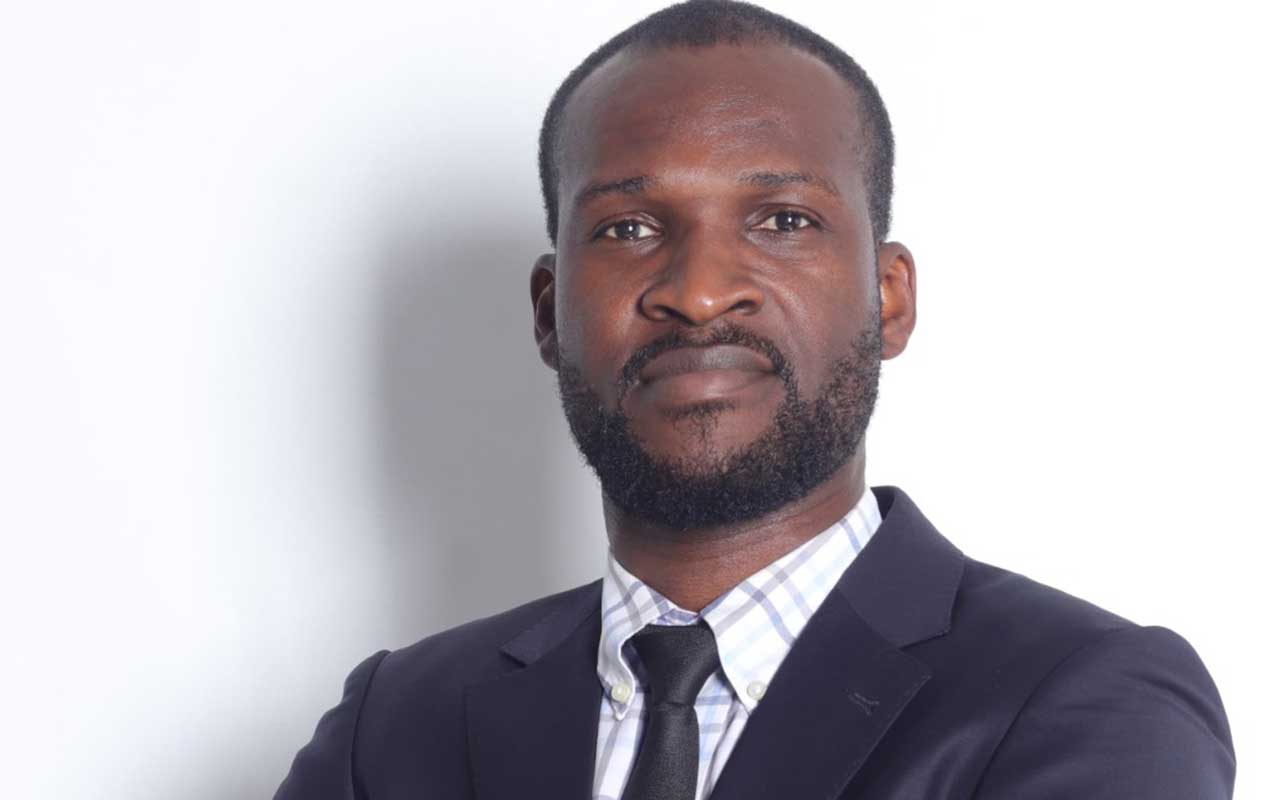
In a milestone advancement for clinical anatomy, otolaryngology, and global surgical practice, Nigerian-born scholar Dr. Okikioluwa Stephen Aladeyelu has emerged as a transformative figure in reshaping the way skull-base surgeries are planned, taught, and performed. As a recent Ph.D. graduate of the University of KwaZulu-Natal (UKZN), Dr. Aladeyelu has pioneered an innovative inter-observer classification model for mastoid pneumatization, an anatomical feature of the temporal bone with profound clinical significance. His research promises not only to reduce surgical risk and enhance preoperative diagnostics but also to set a new global standard for improving patient outcomes in head, neck, and ear-related procedures.
Central to Dr. Aladeyelu’s groundbreaking work is an in-depth exploration of the mastoid air cell system, a structure essential in both the development and surgical treatment of middle-ear diseases. This is particularly crucial in managing otitis media, one of the most common causes of preventable hearing loss in children worldwide, a condition that disproportionately affects low- and middle-income countries where access to specialized surgical care is limited. By utilizing high-resolution computed tomography (CT) imaging alongside sophisticated morphometric analyses, Dr. Aladeyelu devised a reproducible, objective classification system that enhances surgical preparedness by enabling clinicians to better predict anatomical variations before making a single incision.
“The classification system we developed helps surgeons anticipate anatomical variability, reducing surgical complications and improving outcomes,” Dr. Aladeyelu explains. “It’s a tool that bridges the gap between anatomical research and surgical application, making surgery safer, smarter, and more precise.”
His study, conducted under UKZN’s School of Laboratory Medicine and Medical Sciences at the College of Health Sciences, broke new ground by translating detailed anatomical data into a practical framework that can be readily adopted in operating rooms around the world. The tangible clinical utility of his work, as reflected in high-impact publications in leading journals such as Scientific Reports and Surgical and Radiologic Anatomy, has positioned his model as a reference point for global experts in otolaryngology, neurosurgery, and radiology. These publications have sparked growing interest across continents, signaling a paradigm shift in how surgical anatomy is understood and applied.
As an African scholar producing world-class anatomical research from a South African institution, Dr. Aladeyelu exemplifies the rising prominence of voices from the Global South in driving medical innovation. His success challenges historical disparities in academic visibility and underscores the potential for African-led research to contribute transformative solutions to global health challenges. His work serves as an inspiring blueprint for emerging researchers, demonstrating that excellence in science need not be confined by geography.
Beyond his scholarly contributions, Dr. Aladeyelu is a dedicated mentor, shaping the next generation of medical scientists and clinicians. His co-supervision of postgraduate research, facilitation of problem-based learning, and cross-disciplinary collaborations in nanomedicine, biological anthropology, and neuroendocrinology reflect his holistic approach to advancing science. His influence as a peer reviewer for international journals ensures that his commitment to rigorous standards resonates throughout the academic community.
The societal impact of Dr. Aladeyelu’s research extends beyond technical innovation. In an era where precision surgery is vital, especially in skull-based operations that involve intricate neurovascular structures, his framework enables more accurate preoperative mapping. This reduces the likelihood of inadvertent damage to critical nerves and vessels, potentially decreasing postoperative morbidity, shortening hospital stays, and lowering healthcare costs. In resource-constrained settings, where surgical errors can be catastrophic and costly, the adoption of his model could dramatically improve the safety and accessibility of advanced surgical interventions.
Furthermore, the multiplier effects of his work are profound. By standardizing the classification of mastoid pneumatization, Dr. Aladeyelu’s model serves as a foundational tool that can be integrated into medical education, radiologic interpretation protocols, and surgical planning software. This will not only improve the skills and preparedness of surgeons globally but will also inform the development of artificial intelligence systems for automated CT scan analysis, advancing digital health innovation. The model’s applicability to diverse populations ensures that it can support equitable healthcare delivery, bridging gaps between high-resource and low-resource settings.
Looking forward, as his classification model gains traction for adoption into clinical guidelines, medical curricula, and digital surgical tools, the global health impact of Dr. Aladeyelu’s work is set to multiply. By transforming anatomical data into actionable knowledge, he is not only improving individual surgical outcomes but also fostering systemic change that enhances health equity, surgical education, and technological advancement worldwide.
“My mission is to contribute anatomical evidence that elevates surgical practice globally,” Dr. Aladeyelu affirms. His journey demonstrates that visionary research, rooted in local expertise, can indeed have ripple effects that advance medicine on a global scale, setting the stage for safer, more effective, and more inclusive healthcare everywhere.

