 Follow Us on Google News


 Follow Us on Google Discover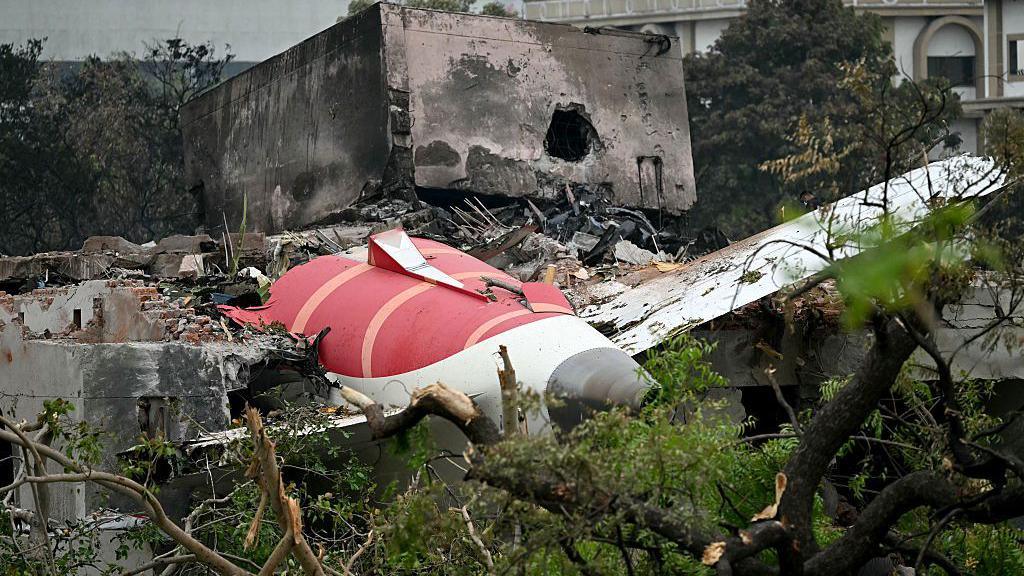
New details about last month’s Air India plane crash in Ahmedabad, which killed 260 people, have emerged this week, shifting focus onto the actions of the senior pilot during the last moments before the plane crashed.
According to a report published on Wednesday by The Wall Street Journal quoting sources close to United States officials’ early assessment of evidence, the black box audio recording of the last conversation between the two pilots indicates that the captain might have turned off the switches controlling the flow of fuel to the plane’s engines.
Last week, a preliminary report by India’s Aircraft Accident Investigation Bureau (AAIB) found that both engines had shut down within the space of one second, leading to immediate loss of altitude, before the plane crashed into a densely populated suburb of Ahmedabad. However, that report, which stated the fuel-control switches had moved to the “cutoff” position, did not assign blame for the incident.
The AAIB is investigating the crash, the deadliest aviation incident in a decade, along with Boeing and experts from the U.S. and the United Kingdom. A preliminary report from the investigators released on Saturday found the aircraft had been deemed airworthy, had up-to-date maintenance and carried no hazardous cargo.
But the report noted that a 2018 U.S. Federal Aviation Administration advisory warned of a potential flaw in the fuel-control switch system of some Boeing planes, including the Dreamliner. The report said Air India did not inspect the system and it was not mandatory for it to do so. During the crash, recovery systems activated, but only partial engine relight occurred, the report stated.
Both engines shut down just after takeoff as fuel switches moved from the “run” to “cutoff” positions. The report cited a black box audio recording in which one pilot asked, “Why did you cut off?” and the other denied doing so. The speakers were not identified.

Despite taking emergency measures, only one engine partially restarted, and moments before impact, a “Mayday” call was issued before communications were lost.
Air traffic control received no response after the distress call but saw the aircraft crash outside the boundary of the airport. CCTV footage from the airport showed one of the flight recovery systems – known as the Ram Air Turbine (RAT) – deploying shortly after liftoff, followed by a rapid descent.
U.S. aviation analyst Mary Schiavo told the Financial Express in India that people should not draw premature conclusions, arguing that there is as yet no definitive evidence of pilot error.

