 Follow Us on Google News
 Follow Us on Google Discover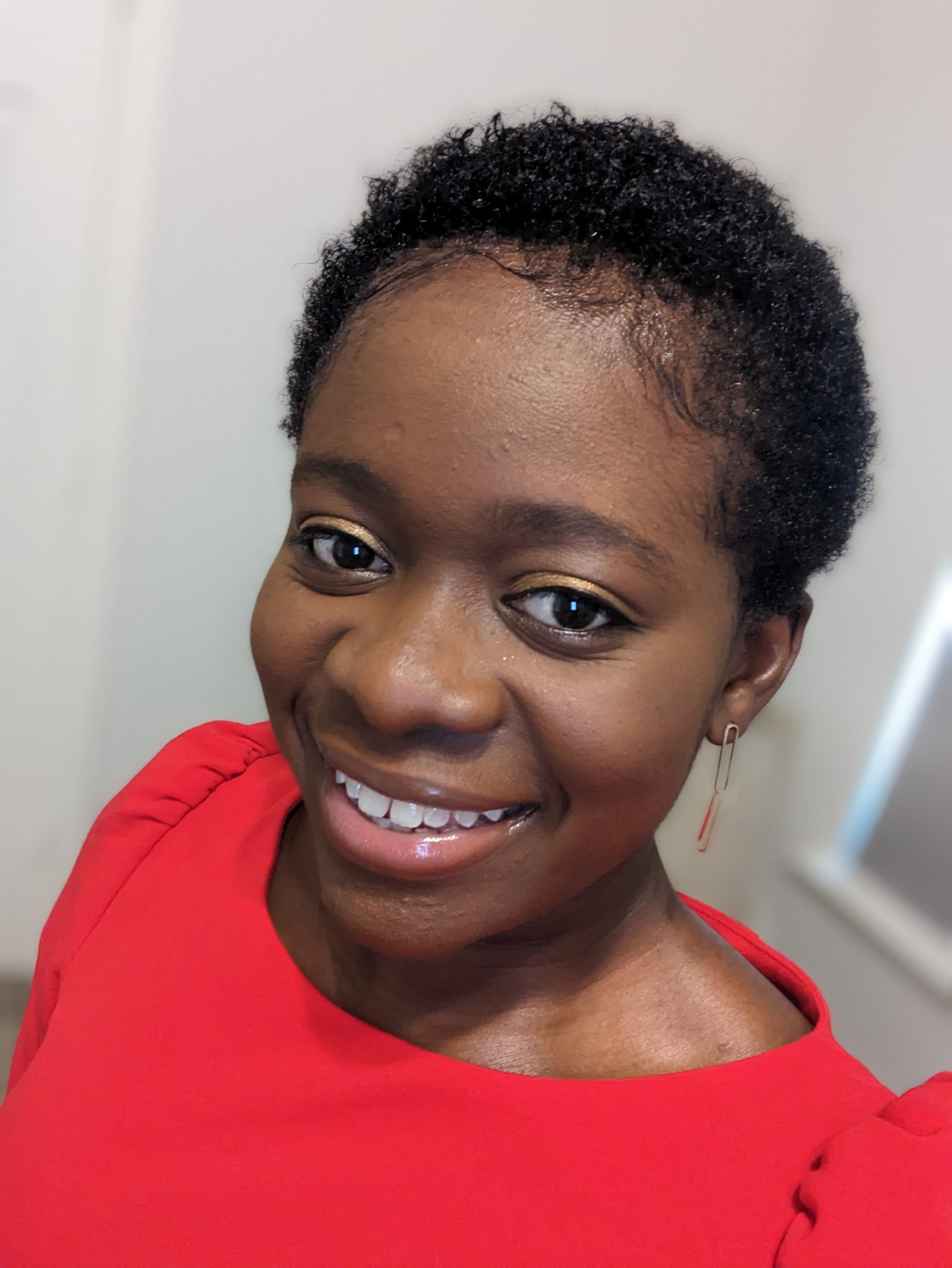
In a world where artificial intelligence (AI) is reshaping industries and academia, Grace Demilade Jaiyeola, a PhD student in Computer Science at the University of Denver in the USA, is making waves with her groundbreaking research at the intersection of machine learning, education, and neurodiversity.
Ms. Jaiyeola’s journey from Ibadan, Nigeria, to Colorado, USA, reflects a profound commitment to building inclusive educational systems driven by AI. Her research focuses on supporting neurodivergent learners, often underrepresented in traditional classrooms, by leveraging machine learning to create personalized learning experiences.
“I saw firsthand how students have varying learning needs and how important it is for educators to tailor instruction accordingly,” Ms. Jaiyeola said, recalling her experiences as a teaching assistant and high school computer science teacher in both Nigeria and the U.S. “I hope my work helps create environments where every learner can thrive.”
Ms. Jaiyeola’s research explores webcam-based eye tracking as a scalable and affordable technology to model attention in learners and understand neurodivergence. In her recent study, she demonstrated how combining features from eye tracking technology with other features can identify markers of neurodivergent conditions, giving educators helpful information to better support students.
She has presented her findings at conferences such as Tapia and the Winter Text & Discourse Conference, emphasizing the importance of understanding learners’ cognitive process to support their needs and promote equity in classrooms.
As the global conversation around educational fairness and AI bias grows, Ms. Jaiyeola’s work also focuses on mitigating inequality in adaptive learning models. By curating diverse datasets and continuously evaluating machine learning outcomes, she aims to ensure that no learner is overlooked.
“The goal is to build systems that serve every student equally, not just the average student,” she explained.
Ms. Jaiyeola’s teaching career spans Army Day High School in Nigeria and McLain High School in the U.S., experiences that shaped her passion for personalized instruction. At Army Day, she volunteered after hours to support struggling students; at McLain, she collaborated with special education staff to modify lessons for diverse learners.
These experiences inspired her to design AI models that can predict students’ inattention or struggle in real time, giving teachers the insight and tools to intervene early.
Ms. Jaiyeola envisions a future where AI helps uncover learning challenges before they become barriers, and where inclusive design ensures equity in every classroom. She encourages Nigerian policymakers to invest in AI-powered tools and equitable learning strategies that address each learner’s unique needs.
“If we invest in inclusive design and data-driven strategies, we can build an educational future that’s not only technologically advanced but truly equitable,” she said.
For young women pursuing STEM careers, Ms. Jaiyeola emphasizes confidence, mentorship, and perseverance.
“Believe in yourself, seek mentors, and apply for opportunities even if you don’t feel 100% ready. Your voice and perspective are essential.”
Through her groundbreaking studies and dedication to fairness in education, Grace Demilade Jaiyeola leverages AI to support students and promote inclusive learning.

