 Follow Us on Google News
 Follow Us on Google Discover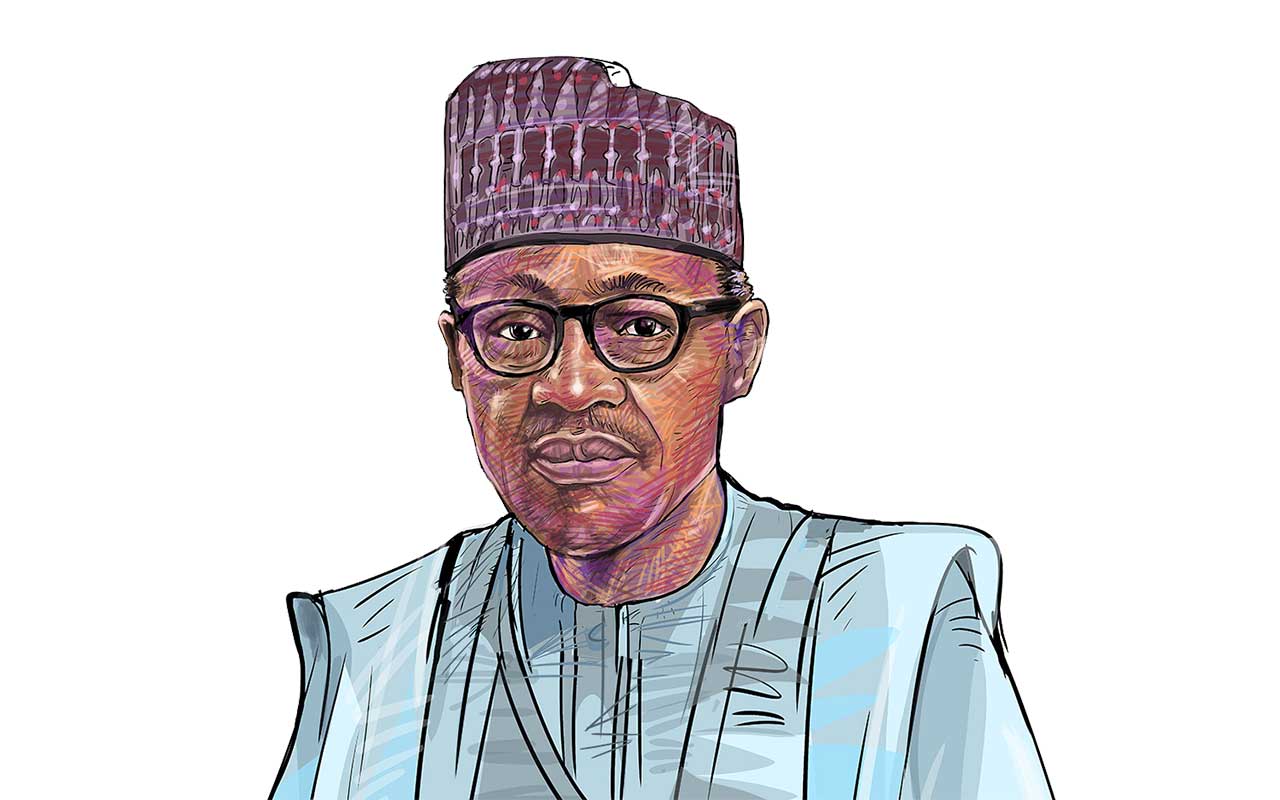
The regular Nigerian woke up one peaceful morning to the news that Nigeria’s former President, Muhammadu Buhari, had kicked the bucket in a London hospital. While this tragic news has sparked grief, it also raises a cynical yet national shame of the country’s bleak health system — unequipped, untrusted and shackled. This former commander-in-chief, who led Africa’s most populous nation for eight years, took his last breath far from home, in a foreign hospital nearly 5,000 kilometres away. This isn’t merely a symbolic gesture; it’s a glaring example of systemic failure.
Despite being Africa’s largest economy and housing over 220 million people, Nigeria still dedicates less than 5% of its annual budget to healthcare — a stark contrast to the 15% target set by African leaders in the Abuja Declaration of 2001. The World Bank reports that a staggering 74% of Nigerians pay for healthcare out-of-pocket, one of the highest rates in the world, forcing millions into poverty each year just to survive. Public hospitals across the country are chronically underfunded, with doctors frequently striking over unpaid wages and essential medical equipment often missing.
So, when a former president dies on foreign soil, it’s not just a personal choice — it’s a harsh indictment of a healthcare system so broken that even its highest officials can’t depend on it. This raises the question: if the leaders don’t trust the hospitals they finance, why should the citizens?
This tragedy is not just a headline; it’s a daily reality for many. For countless individuals, Buhari’s final moments in a foreign hospital represent more than just one man’s fate — it’s a national disgrace that calls for accountability.
This development, however, did not happen in isolation. “The former president missed an opportunity for reform. With the pandemic came a chance to see the gaps in real time—supply shortages of oxygen, healthcare worker burnout, neglected isolation centres, but no substantive reform happened,” explains Dr. Adaeze Nwankwo, public health policy expert and former regional adviser during the COVID-19 pandemic.
Dr. Nwankwo contends that COVID-19 should have awakened Nigeria’s commitment to sustainable, systemic health care reform. “We flattened the curve of COVID-19 but also flattened the rate of momentum for reform. We could have learned but we defaulted to business as usual,” says Dr. Nwankwo.
For civic actor Omolara Esho, founder of GovWatch Africa, the challenge is not only political will but institutional. “You can’t manage what you don’t measure,” warns Esho. “There is limited public access to hospital performance data, procurement data and outcomes data. Without transparency, even the most well-intended reforms may lead to failure given the murky process of procurement.”
Esho holds that reform cannot be reactive in nature, only deliberate and informed. “When leaders voluntarily prefer to die overseas, it tells us more than just personal preference; it reminds us of a world where there is little trust for institutions, scarcity of refined policy and its delivery mechanisms.” She is calling on the legislative arm to pass a Healthcare Accountability and Transparency Act that requires all tertiary hospitals to be held accountable by publishing quarterly performance indicators and audited financials.
In many respects, Esho’s call is the resonating cry for a health system that actually works for the people and not a steep ladder for an elite few. And this is where, according to Paul-Miki Raluchukwu Ibekwe, a renowned pharmaceutical strategist, healthcare futurist, and global innovation consultant, Nigeria has failed repeatedly.
With a career traversing strategic roles in Novo Nordisk, advisory roles in global innovation hubs like UMass Amherst, and experience making demand forecasting models and commercialisation strategies for life science innovations, Ibekwe has come to be known as one of the continent’s leading voices in pharmaceutical policy and healthcare transformation. His domain of expertise sits at the crossroads between science, systems design, and governance, making him a timely and relevant voice on this matter.
Ibekwe sees Buhari’s death as more symbolic than just tragic. “The optics are devastating,” he says. “You governed a country for eight years and couldn’t trust the hospitals you funded? That speaks louder than any policy document.
Unlike many others, Ibekwe does not merely want to diagnose the crisis. He tailors a strategic mix of investment, technology, and human capital retention to resolve the problem.
To start, Ibekwe proposes that “we must restructure our public health infrastructure, specifically around our rural and teaching hospitals. Secondly, we must stop the brain drain and offer compensation, research grants, and career pathways that are commensurate with our professionals’ skills and services.”
That which Ibekwe further calls digital transformation remains Ibekwe’s third and most emphasised point. “We cannot keep flying blind. Every hospital should be equipped with the ability to predict drug needs, track patient outcomes, and identify inefficiencies in real time using up-to-date data dashboards. Assessing and correcting operational flaws are the antidotes to corruption.”
Ibekwe succinctly expresses why Nigeria seems to lack so many talented professionals in the country. He further elaborates, “Our best doctors and scientists are thriving abroad. What we need is a legal framework that ensures investment, vision, and structure, devoid of succumbing to the whims of every new government that comes into power every four years, three hundred and sixty-five days a year.”
Beyond organisation, he echoes Esho’s demand for institutional openness, characterising it as the foundation of ongoing change. “It’s not only about preserving life, it is also about reviving national pride.” Democracy thrives when healthcare is effective; it is a betrayal of the social contract when it fails.
Gleaning from Ibekwe’s standpoint, a proper healthcare system shouldn’t be about legacy but about the diabetic teenager in Kano who can’t afford insulin. These are not stories; rather, they are actual accounts of a pregnant woman in Calabar who passes away in labour because no doctor is on call. These are daily facts.
He ends with a strong plea: “Let Buhari’s death not just generate headlines. Let it inspire change. We need a healthcare revolution not in feeling but in action. We must act now.”
Still questionable is if this current tide of accountability will develop into enduring political will. One thing is definitely clear, though: the healthcare system the former president relied on—and maybe failed to correct—remains out of reach for millions as his body comes home. The question still hangs whether his last exit will be the point Nigeria’s health system so desperately needs.

