 Follow Us on Google News
 Follow Us on Google Discover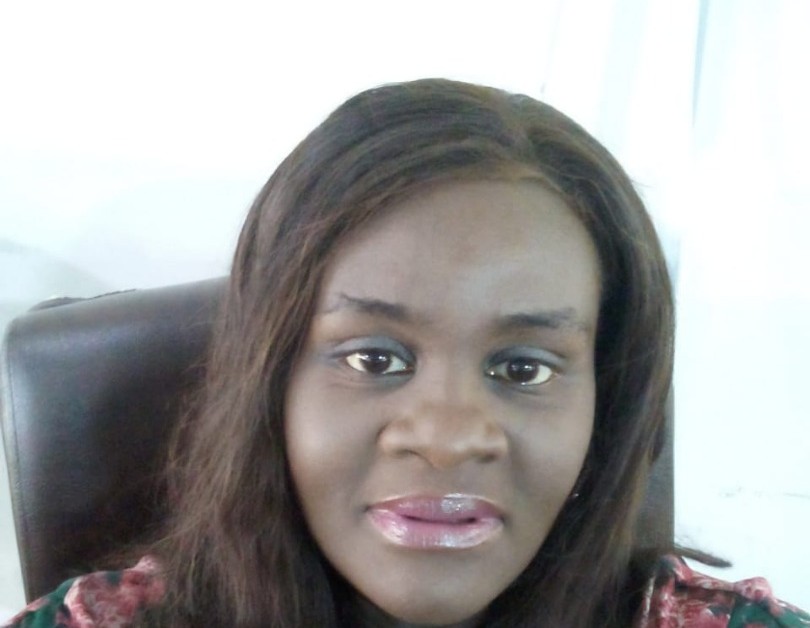
A Nigerian public health expert, Mercy Nkechi Egemba, brought a critical issue to the global stage at the 22nd International AIDS Conference (AIDS 2018) in the Netherlands: in her presentation, “HIV and Poverty Vulnerability among Women and Girls in Abuja Municipal Area Council, Abuja, Nigeria,” Egemba laid bare a truth that struck a chord with delegates — how poverty continues to drive HIV infections among women and girls in Abuja, Nigeria.
She explained that the struggle to survive financially often leaves women with fewer choices, pushing them into situations that heighten their risk of contracting HIV.
Egemba’s research showed that women and adolescent girls from low-income households were far more likely to engage in risky survival strategies, such as transactional sex, to meet basic needs. Beyond the numbers, the findings told a story of inequality: limited access to education, lack of financial independence, and systemic barriers that kept many women from seeking HIV testing and treatment. Even something as simple as the cost of transportation to a clinic, or the stigma tied to being seen at an HIV testing centre, discouraged women from protecting their health. In many cases, the power imbalance in relationships meant women could not even insist on condom use.
“Poverty is not just a backdrop,” Egemba explained. “It actively shapes the choices women can or cannot make. Until we tackle these stark economic realities, our prevention strategies will always fall short.”
Her words resonated with global experts. Nigeria remains one of the countries hardest hit by HIV in sub-Saharan Africa, and her study underscored what many advocates have been saying — that the epidemic cannot be beaten by medical interventions alone.
Dr. Mmadu, an HIV policy adviser who attended the session, praised the work: “Mercy’s research puts hard evidence to what we’ve long argued — that HIV programmes must go hand in hand with economic empowerment. This is not just about numbers; it’s about women’s lives and dignity.”

The research adds to a growing call for a more holistic HIV response in Africa — one that links healthcare, poverty reduction, and women’s empowerment as inseparable parts of the same solution.
As Nigeria works towards controlling the epidemic and meeting the UNAIDS 90-90-90 goals, Egemba’s voice is shaping both national and regional dialogue, advocating that poverty is no longer treated as a side issue but recognised as central to ending the HIV crisis.

