 Follow Us on Google News
 Follow Us on Google Discover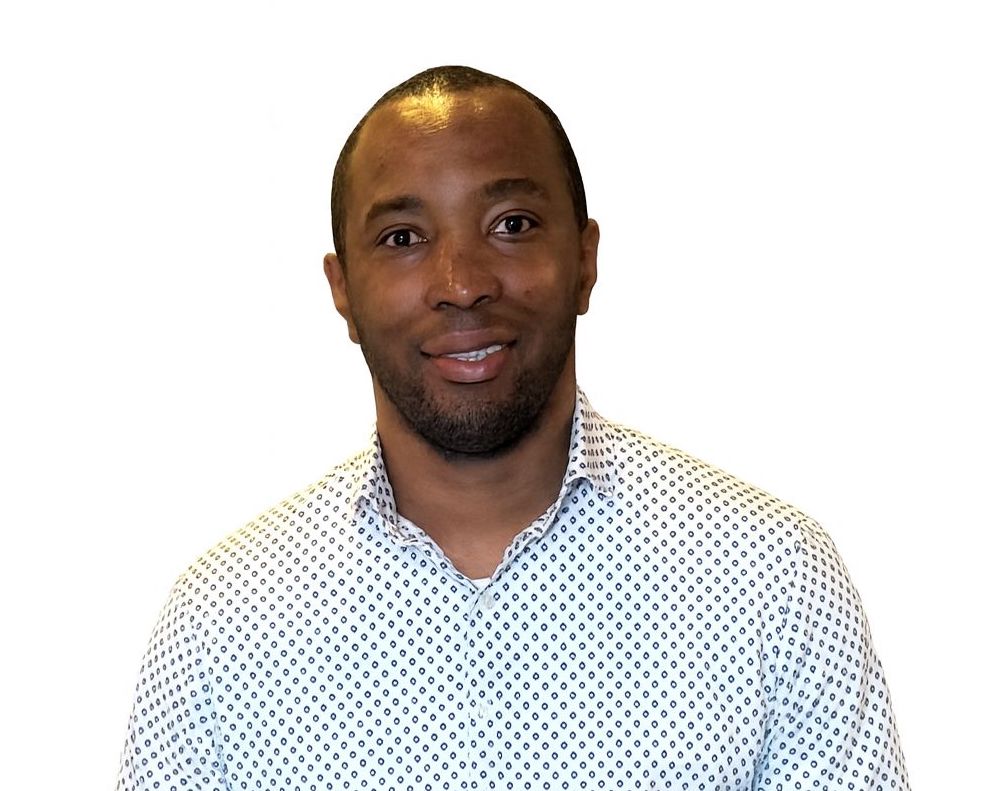
Chinonso Godwin Okoyeaniche, a Nigerian Environmental Health Researcher and biochemist, shared insights from his pioneering field studies that exposed critical trends in the spread of waterborne diseases across underserved communities in Northern Nigeria.
His work has driven the development of low-cost, community-based interventions that are now reducing incidences of cholera and typhoid fever in villages such as Bako, Kurgwi, and Anka in Zamfara State.
A graduate of Biochemistry with a concentration in Environmental Health from the Federal University of Agriculture, Abeokuta, Okoyeaniche conducted extensive research that revealed a disturbing correlation between unsafe drinking water and recurring disease outbreaks. His findings have informed regional health policies and strengthened response strategies among local authorities and NGOs.
Investigating the source of a public health crisis
When asked what motivated his research, Okoyeaniche explained that repeated visits to remote communities exposed a recurring cycle of illness linked to contaminated water sources.
“I observed that in several villages across Zamfara, recurring illnesses had become accepted as normal,” he told journalists. “Children were frequently sick simply because they depended on untreated water. That pattern inspired me to conduct structured research and laboratory analyses to uncover the root cause.”

His field team collected water samples from wells, open streams, and boreholes located near refuse dumps and livestock waste sites. Laboratory testing confirmed high levels of Escherichia coli and Vibrio cholerae, the bacteria responsible for cholera and typhoid fever. The contamination was most severe during the rainy season, when floodwater spread sewage into open water sources.
From research to community solutions
Okoyeaniche’s work extended beyond diagnostics. Collaborating with community leaders, local health workers, and government officials, he developed and introduced low-cost purification technologies such as biosand filtration and solar disinfection (SODIS). These systems enabled residents to treat water using locally available materials. He also advocated for the implementation of water safety plans within local government health programs and coordinated the relocation of contaminated wells and boreholes.
“Education was the first step,” he emphasized. “Once people understood the source of their illnesses, they became active participants in protecting their own health.”
Impact and policy recognition
Following his interventions, multiple communities reported a significant reduction in waterborne illnesses. Local schools integrated hygiene education into their curricula, and municipal health authorities began mapping high-risk water sources using Okoyeaniche’s data for continuous monitoring. His research has since been referenced by public health organizations and regional agencies, influencing policy frameworks aimed at achieving universal access to safe drinking water in Northern Nigeria.
“The results have been remarkable,” he said. “We are seeing healthier communities and greater ownership of public health outcomes.”
Bridging biochemistry and environmental safety
Discussing his professional evolution, Okoyeaniche noted that his biochemistry background provided a strong foundation for his environmental health work.
“My training in biochemistry helped me understand toxicology and health risk assessment,” he explained. “Over time, I realized that these same scientific principles could be applied to improve environmental and workplace safety. My goal has always been to protect human health, whether in rural communities or industrial environments.”
His multidisciplinary expertise now spans environmental monitoring, occupational safety, and community health research, positioning him as a leading figure in Nigeria’s sustainability and public health sectors.
A vision for sustainable environmental health
Looking to the future, Okoyeaniche envisions a Nigeria where every community has access to safe drinking water through the integration of science, policy, and local empowerment.
“No family should suffer from preventable waterborne diseases,” he affirmed. “Sustainability means merging laboratory science with practical, community-driven action, and that’s the vision I’m committed to advancing.”
Through his groundbreaking fieldwork, innovative interventions, and commitment to sustainable solutions, Chinonso Okoyeaniche continues to exemplify the impact of science-based leadership in advancing environmental health, public safety, and sustainable development across Nigeria and beyond.

