 Follow Us on Google News
 Follow Us on Google Discover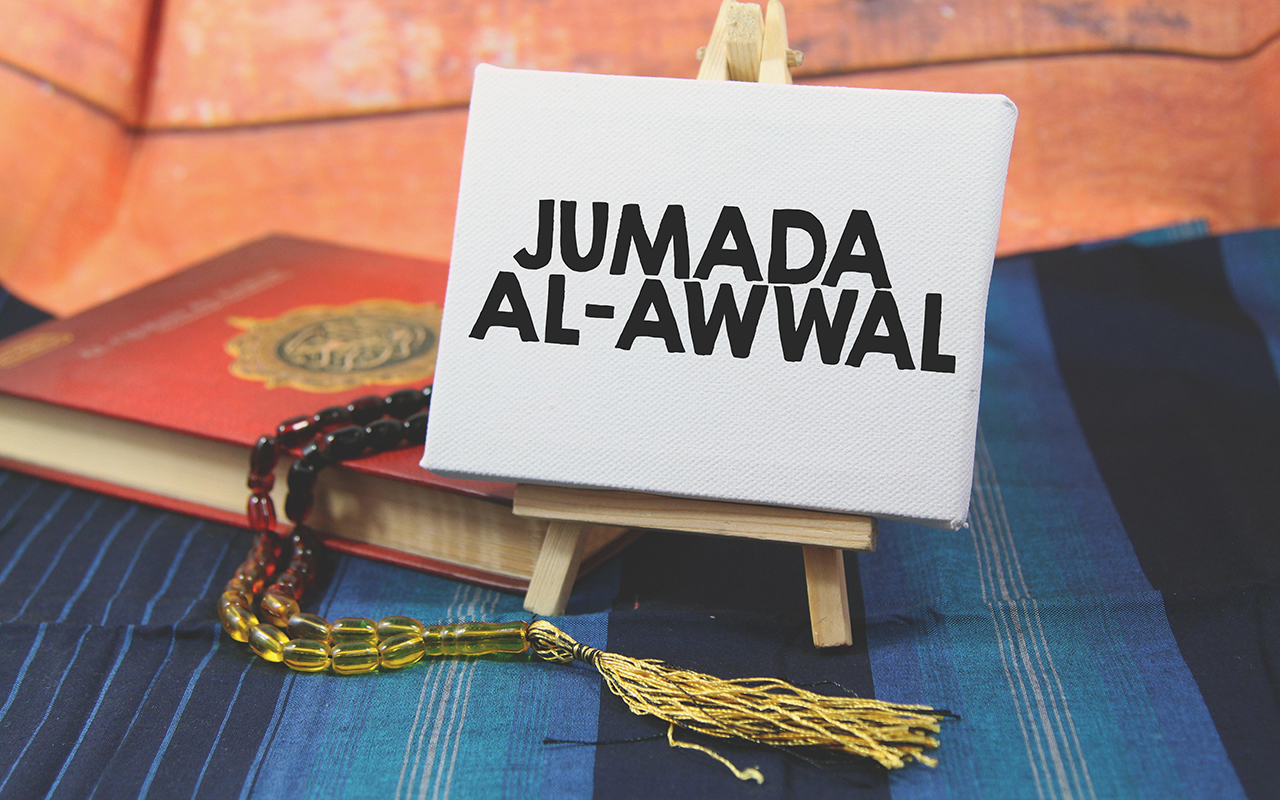
Jumada al-Awwal is the fifth month of the lunar (hijri) calendar. It is also referred to as Jumada al-Ula. It began yesterday (October 23, 2025) signifying that Ramadan 2026 is fast approaching.
It was common practice for the people of pre-Islamic Arabia to name the months according to the season that they occurred in, or the common practices of the time. The word Jumada derives from a word meaning dry parched land, or a land devoid of rain. It could also mean to freeze. This could be related to the weather conditions at the time when the months were first named historically. However, as the Islamic year operates on the lunar calendar and therefore moves forward 11-12 days each year. This means that the name of the month may no longer correspond to the weather conditions it was named after, or the practices originally associated with it.
There are no specific deeds associated with this month, but many important Islamic events took place, which Muslims can reflect on and draw important lessons from.
Some scholars believe that Jumada al-Awwal was the month in which the Prophet (PBUH) married Sayyidah Khadija (RA). This was a very blessed marriage, and the children and descendants from their marriage went on to become champions of Islam spreading the message across borders.
Some narrations mention Sayyidah Khadija (RA) to be one of only four women in Islam who have achieved perfect faith. She was the first person to accept Islam, and provided constant emotional and financial support to Prophet Muhammad (PBUH).
Some scholars have opined that Sayyidah Zainab (RA), the granddaughter of the Prophet (PBUH) through his beloved daughter, Sayyidah Fatima Zahra (AS) was born on 5th Jumada al-Awwal. Sayyida Zainab (RA) was one of the bravest and most eloquent women in Islamic history and is a great role model for Muslim women today. She endured great hardships throughout her life, including the death of her beloved mother and witnessing her loved ones being martyred before her eyes during the Battle of Karbala. She is known for having immense faith in Allah and upholding high moral standards, manifested in the powerful speech she delivered in the court of Yazid after the Battle of Karbala, where she fearlessly made a stand against tyranny.

Another significant event to take place in Jumada Al-Awwal, is the Mu’tah battle between 100, 000 Roman and Arab troops, and just 3, 000 Muslim soldiers. Despite being heavily outnumbered, Allah granted victory to the Muslims.
Indeed, Jumada al-Awwal is not a special month of worship. However, Allah (SWT) and His messenger the Prophet (SAW) recommend voluntary acts. For instance, giving Sadaqah Jariyah, reciting the Qur’an, seeking Allah’s forgiveness (istighfar) and performing voluntary prayers all year round.
It is important for Muslims to use their time wisely. For the Believer, every moment, every day is a precious opportunity for reward and to wipe sins away with good deeds. This is in line with the saying of the Prophet (PBUH) as related by Ibn Abbas: “Take benefit of five before five: Your youth before your old age, your health before your sickness, your wealth before your poverty, your free time before you are preoccupied, and your life before your death.”

