 Follow Us on Google News
 Follow Us on Google Discover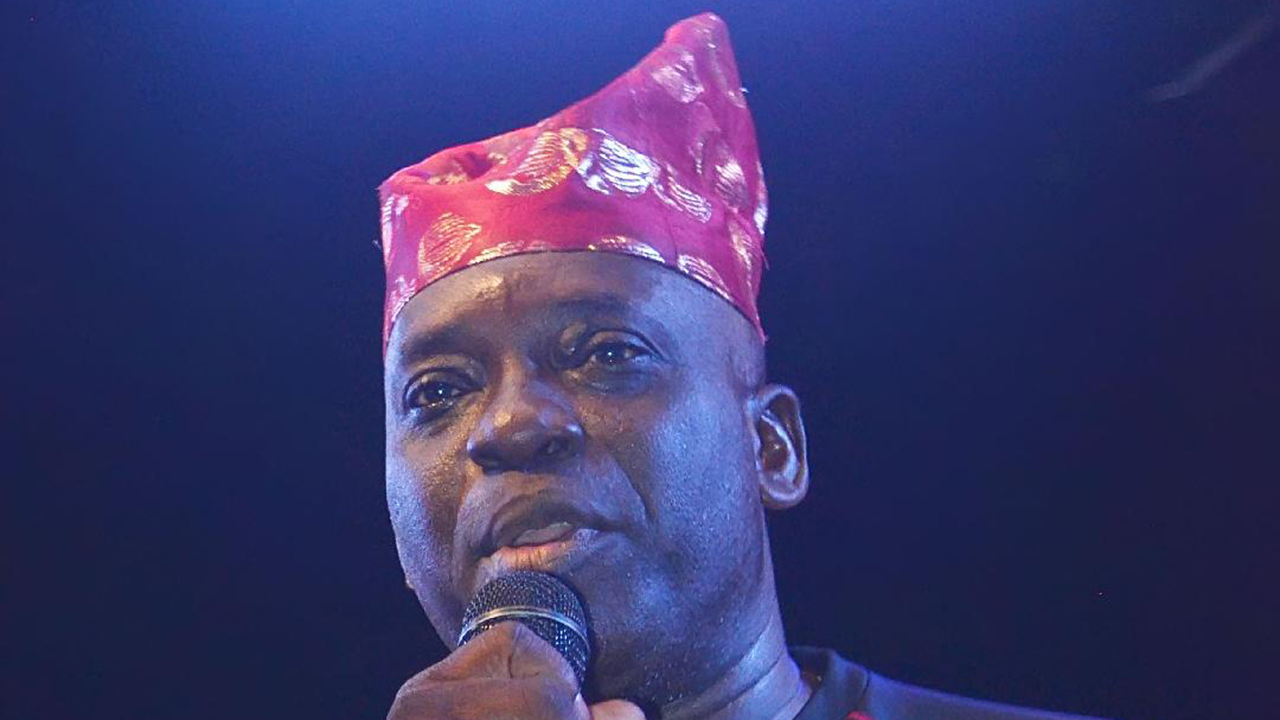
Art has always been a tool for driving social change. It is capable of stimulating reflection, spurring people into action, and shedding light on important issues in creative ways. Owing to its impact and critique of socio-cultural issues, art faces a major hindrance — censorship — which encumbers freedom of artistic expression.
For Executive Producer of Unchained Vibes Africa,Ayodele Ganiu, artists play an important role in civic education.
Commenting on the concept of artistic freedom at the flag-off event of the 2025 Freedom Vibes Academy held recently in Lagos, he stated that art in Africa is subject to censorship by censors’ bodies, stressing that Kano state is the epicentre for censorship.
“There are bodies called censorship bodies, which are primarily set up to control works of art. Artists face threats, attacks, persecution and arrests for lending their voices to social issues. Artistic freedom does not end with actors, or with the artists, it also includes the right of citizens to have access to the works,” he said.
The event featured 16 participants who joined the programme online from different parts of Nigeria. It also featured facilitators who imparted knowledge to the participants.
The programme was geared towards guiding participants who want to use their art for advocacy, activism, and raising social consciousness, on the techniques and limitations of using their art.

Ganiu further stated that the Academy will help the participants who are willing to use their arts for activism to understand the techniques and limitations of employing art as a tool for social change.
One of the facilitators, Tunji Sotimirin, a veteran actor, said: “Theatre can be utilised to conscientise, mobilise, and entertain people, but most importantly, drive social change. It remains an instrument to appreciate the actual issues that society is facing, to consider a potent remedy for them through conversation by raising the degree of consciousness.
“Quite a number of Nigerian dramatists have been very active, and utilising literary devices to appraise social injustices, inform and advocate for change. This function entails serving as a moral conscience for the community, providing a voice to the oppressed, and utilising compelling language and semantics to expose corruption, discrimination, and distress, with the objective of deploying a collaborative determination for a greater future,” Sotimirin added.
He mentioned names like, Chief Hubert Ogunde, Professor Wole Soyinka, and Femi Osofisan, who have used their works for advocacy, social consciousness and awareness.
Also commenting on the benefits of the programme, Human Rights Lawyer, and Deputy Director of the Socio-Economic Rights and Accountability Project (SERAP), Kolawole Oluwadare, said, “Freedom of Expression is the backbone of creativity and democracy.”
He provided instructive lessons on the rights and limitations of artistes in the creative landscape, referencing section 39 of the 1999 Nigerian Constitution. He noted that every human has the right to freedom of expression, and Section 39 covers every kind of speech, lyrics, role-playing in theatre, comedy, film, and even online art.
The rights lawyer, also, told the participants about the limitations to their rights, stating that Section 45 of the Constitution limits their rights. “Section 39 says you have freedom of expression, but also says that the right is curtailed by some things. So Section 45 is the limit of all the rights listed in the 1999 Constitution. Section 45 is not to be activated to defeat human rights, but to promote them,” Kolawole added.

