 Follow Us on Google News


 Follow Us on Google Discover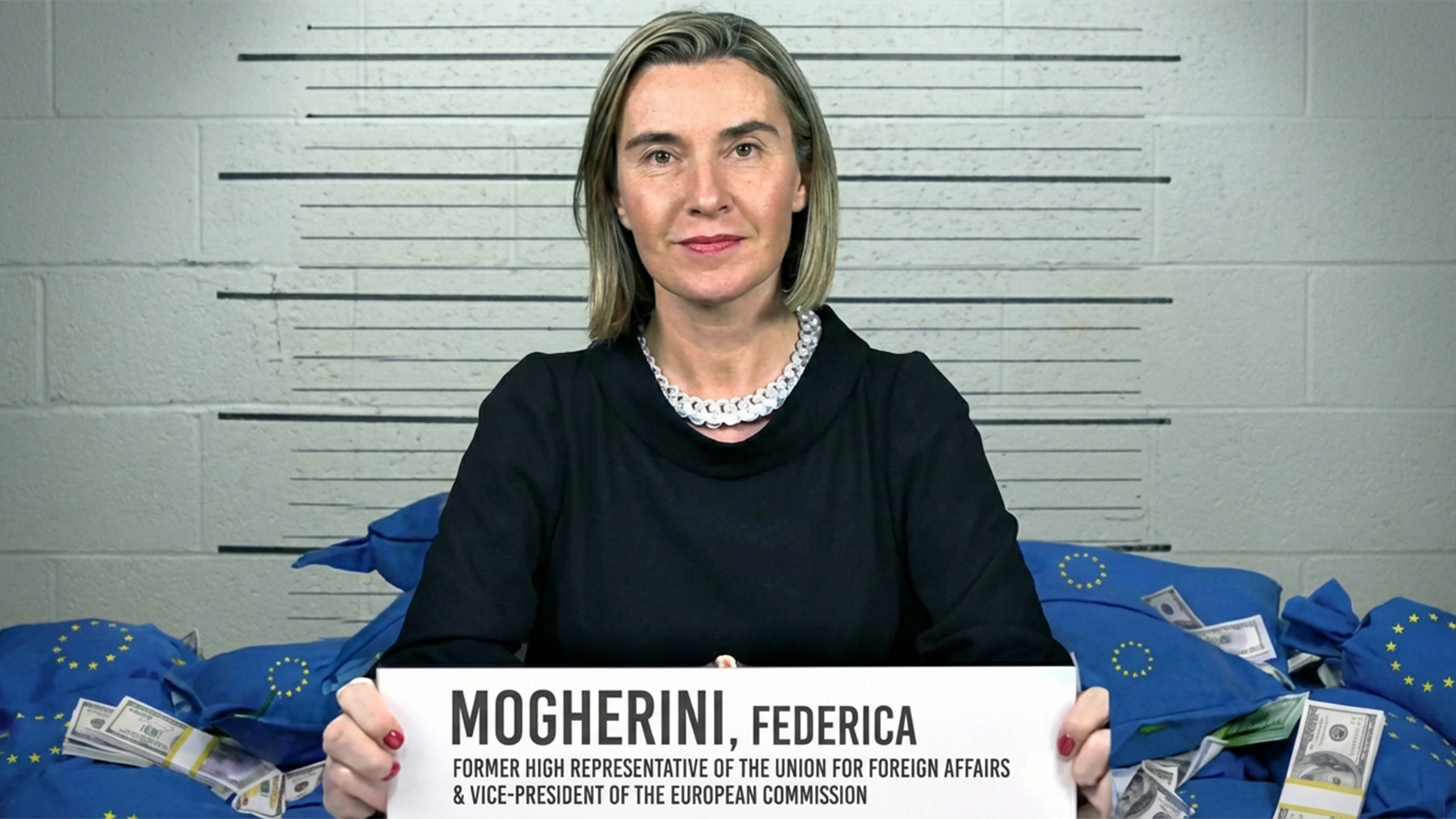
Europe is facing one of its most challenging moments in recent memory. A major investigation into suspected procurement irregularities within the European Union has coincided with a sweeping anti-corruption probe in Ukraine. Together, the developments have raised difficult questions for Europe about transparency, accountability, and the consistent application of its own standards.
In Brussels, Belgian authorities — acting on behalf of the European Public Prosecutor’s Office (EPPO) — recently carried out early-morning searches at the European External Action Service (EEAS) and at the College of Europe in Bruges. According to EPPO, the operation concerns suspected irregularities in the award of a training programme contract connected to the EU Diplomatic Academy.
Several individuals, including former EU foreign policy chief Federica Mogherini, were detained for questioning, according to multiple media reports. EPPO has stated that the case involves allegations of procurement fraud, conflict of interest, corruption, and breach of professional secrecy. These remain allegations at this stage, and no charges have been proven.
For the EU, the investigation is deeply uncomfortable. The Union regularly presents itself as a champion of transparency and good governance, and the ongoing probe has prompted discussions about the strength of its internal oversight mechanisms.
A parallel situation has been unfolding in Ukraine. On 28 November, Andriy Yermak, the head of the Office of the President and a senior adviser to President Volodymyr Zelenskyy, resigned after anti-corruption investigators searched his residence. Ukrainian agencies have said the search is part of a broader inquiry into alleged corruption within the wartime leadership and the energy sector, including a suspected scheme involving the state atomic energy company. As with the EU case, these allegations have not yet been tested in court.
European governments have expressed concern about the implications of the Ukrainian investigation, particularly given the scale of Western financial support provided to Kyiv during the war. Analysts say that confidence in Ukraine’s governance remains a crucial factor for continued assistance.

Yermak’s departure is significant. He has played a central role in Ukraine’s wartime administration and has been a key figure in negotiations supported by the United States. His resignation comes at a sensitive moment for diplomacy and domestic politics alike.
Some observers have described Ukraine’s unfolding situation as a potential turning point, noting that senior officials are now subject to public scrutiny and legal oversight. They argue that this could strengthen Ukraine’s institutions but also create instability at a critical stage of the conflict.
Reports in European media have suggested that some diplomats in Kyiv were concerned about the possible political consequences of rapid or disruptive developments during wartime. However, Ukraine’s anti-corruption bodies have repeatedly stressed that they operate independently and will continue their work regardless of external pressure.
Taken together, the events in Brussels and Kyiv have highlighted the challenges Europe faces in maintaining consistent standards of integrity both within the Union and in its partnerships abroad. Analysts say the coming months will test the EU’s ability to uphold the principles it promotes and to support reform efforts in neighbouring states without compromising its own credibility.
Miller, specialises in African affairs and international relations

