 Follow Us on Google News
 Follow Us on Google Discover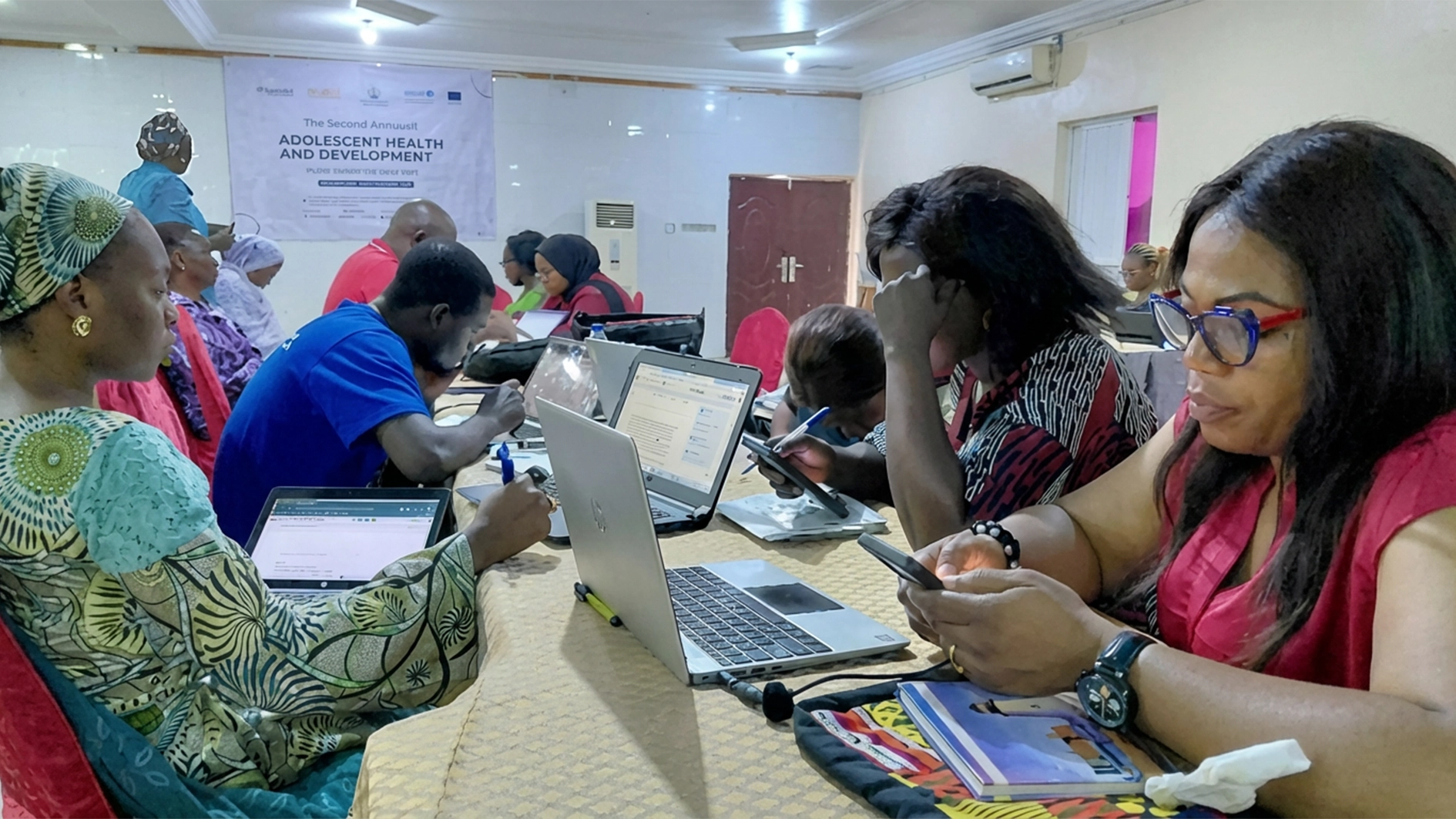
Hacey, a non-governmental organisation, has presented a scorecard framework prioritising adolescent and young people’s sexual health at the second national bi-annual health and development sub-committee meeting.
Ms Rhoda Robinson, Executive Director, Hacey, stated this while reeling out the NGO’s scorecard of its SRHR Impact Plus Project at the Second Biannual Adolescent Health and Development Sub-Committee meeting held on Tuesday and Wednesday in Karu Local Government Area of Nasarawa State.
The two-day meeting is organised by the Federal Ministry of Health and Social Welfare in collaboration with Hacey, a non-governmental organisation, and the United Nations Children Fund (UNICEF).
Stakeholders in the health sector, specifically adolescent health, including federal and state government health officials and officials of NGOs focused on adolescent health, among others, were in attendance.
According to Robinson, aside from the training of 100 medical providers to deliver youth-friendly SRHR services in tertiary institutions, the NGO has also offered capacity strengthening to 600 Civil Society Organisations (CSOs) and youth champions on designing SRHR programmes for adolescents and young people in their communities of intervention and promoting SRHR information and services among peers within schools and communities.
Robinson, who said that the NGO has also launched ‘Tombey’ SRHR Resource Center as a safe space with tools, literature, mentorship and youth-created content, added that the NGO has also established three media labs in Lagos, Osun and Oyo States, which are free for youth advocates and CSOs.
According to her, 10 million adolescents and youths have been reached through trained youth-advocate CSOs across friendly advocacy radio, digital media, blogs and community platforms.
She added that the NGO, in a bid to have a broader understanding of the challenges facing adolescent health in Nigeria, had consulted over 200 youths and CSOs across 10 states, providing actionable insights on awareness gaps, stigma, access barriers and service readiness.
Robinson also revealed that her organisation had achieved 60,000 interactions from its “Own your health” media campaign.
According to her, for over a decade Hacey has been at the forefront of delivering innovative SRHR solutions for adolescents and young people in Nigeria, and through the SRHR Impact Plus Project, Hacey has continued to expand its reach and deepen its impact.
“In the last two years, the project has strengthened youth engagement, improved access to youth-friendly health services, amplified SRHR messaging nationwide and built stronger partnerships across government, civil society and communities,” she said.
In an interview, Mrs Opeyemi Makanjuola, Sexual Reproductive Health Manager at Hacey, said due to lack of adequate youth-friendly centres, there are still a lot of challenges and gaps when it comes to addressing adolescent health issues, specifically sexual reproductive health, among young people.
“One of the ways we want to work on that is to create a scorecard, and the aim of the scorecard is basically to track progress and also highlight areas where there are big issues, big concerns,” she said.
She added that after noticing that young people were facing the challenge of accessing services and going to hospitals, one of the key steps taken by Hacey with the project was to target centres closer to young people.
“We realised that tertiary institutions are the hub of youths or young people, and we started training the health centres in some of the tertiary institutions in the country on how to offer SRHR services to young Nigerians,” she said.
Some stakeholders at the meeting praised Hacey for its efforts at changing the narrative on adolescent health, especially sexual reproductive health services for young Nigerians.
The stakeholders, who included Dr Ovuoraye John, Acting Director, Family Health, Federal Ministry of Health and Social Welfare; Prof. Adesegun Fatusi, Chairman, National Technical Working Group (TWG) on Adolescent Health; and Hajiya Fatima Adamu, Co-Chair, TWG, Adolescent Health, among others, also called for more commitment from the government, donor partners and critical stakeholders in prioritising adolescent health.

They also advocated for more awareness of youth-friendly health centres across Nigeria, tailored to meet the needs of young Nigerians.
Hajiya Fatima Adamu, in her opinion, said she believes young adolescents need that space to talk, discuss and access health services tailored to their needs.
“Whether we deliver on that or not, I think this is a collective responsibility to make sure that specific services are available to our adolescents, especially the majority of our adolescent girls in the rural areas.
“This group from poor families don’t know where to go or don’t have the resources to access those services. We know not everything is free. So it’s a collective responsibility to ensure our young girls do have access to the services they desire and need.”

