 Follow Us on Google News
 Follow Us on Google Discover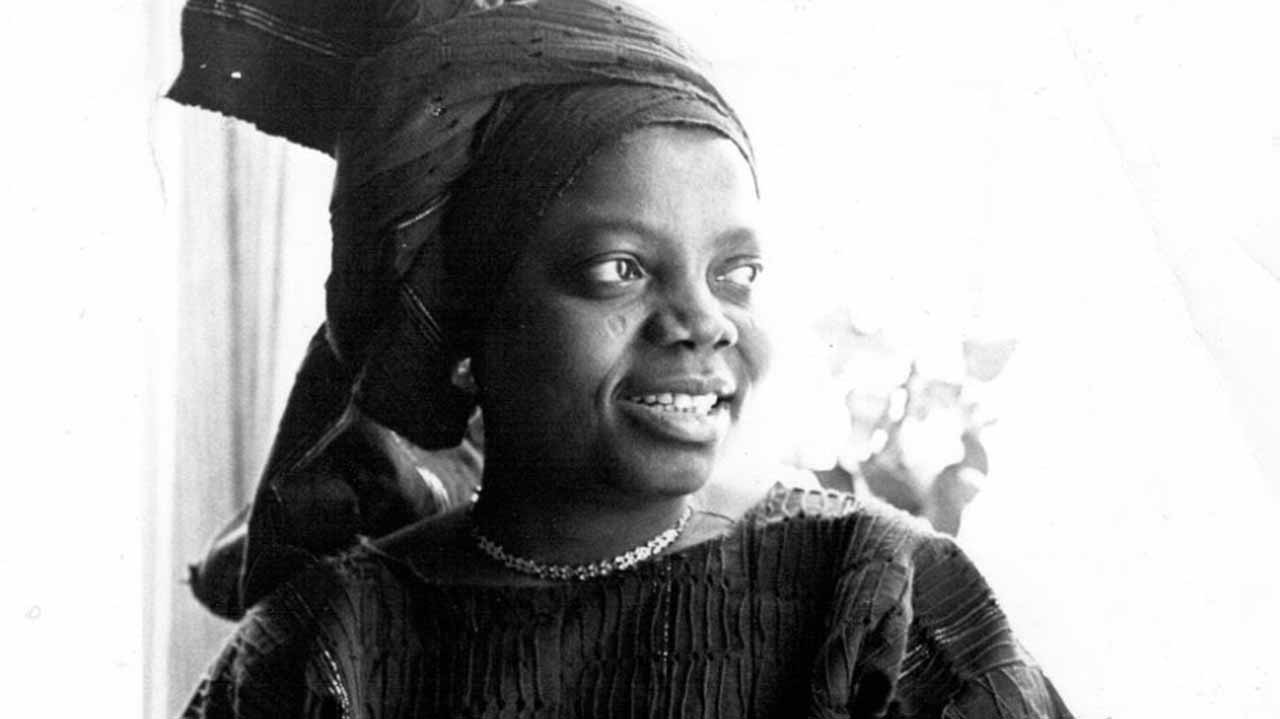
Four and a half decades ago, two of Africa’s greatest writers – Nigeria’s Buchi Emecheta and Senegal’s Mariama Bâ – published seminal novels in 1979: Emecheta’s The Joys of Motherhood and Bâ’s So Long A Letter. Both were sisters under the skin, who unflinchingly tackled the challenges of motherhood and marriage across post-independence Africa and its diaspora. Emecheta and Bâ produced lyrical novels which were partly autobiographical accounts that drew heavily from their personal lived experiences.
Both novels were pioneering in African feminist literature, using traditional Igbo and Wolof modes of storytelling. Both authors had several children (Emecheta five, and Bâ ten), and escaped unhappy marriages. Both lost their mothers at an early age, and had fathers who doted on them. Both were talented students who had to convince sceptical elders to let them complete their education as girl children.
Both at first rejected the “feminist” label and distanced themselves from Western feminism which they felt neither understood nor represented their struggles. Both wrote about vanishing indigenous cultures giving way to Western modernisation. Both challenged gender and colonial oppression. Both portrayed female protagonists who suffered much for their total devotion to their husbands and children. Both mocked and ridiculed older men taking younger wives.
But, there were also significant differences between the two writers. While Emecheta was from a working-class family and struggled financially until her 30s, Bâ came from a wealthy family, with both her father and her husband of 25 years serving as government ministers. While the Muslim Bâ was married and divorced three times, the Christian Emecheta never remarried after her divorce.
While Emecheta spent most of her life in exile in England, Bâ lived in Senegal throughout her life. While Emecheta published her first novel at the age of 30 and went on to produce another 15, Bâ published her first novel at 50, and only produced one other novel, completed shortly before her untimely death. While Emecheta lived to the relative old age of 72, Bâ died in middle age at 52.
Both writers scathingly condemned patriarchy, antiquated customs, and colonial and religious oppression. They sought instead to promote the liberation of women, and the restructuring of society to enable women to fulfil their potential as genuine partners to men.

The lives of both authors were characterised by abusive marriages which Emecheta and Bâ ended to pursue independent lives. Both fought for gender equality in which women enjoyed the same rights as men in the private and public spheres, and had access to the same opportunities in political life and the workplace.
The main protagonists in their classic novels – Nnu Ego and Ramatoulaye – were not so fortunate, and remained trapped in miserable marriages, enduring their suffering for the sake of their children, and under the pressure of societal mores. In both cases, societal values were often misinterpreted by men to favour patriarchy. Imported Abrahamic religions – Islam and Christianity – constituted oppressive systems that reinforced this repressive status quo. Bâ and Emecheta were both, however, careful to highlight that the male protagonists in their novels were also victims of larger, structural forces embedded in patriarchy and colonialism.
Both women sought to defend the most vulnerable, oppressed, and marginalised members of society. Both situated their feminism in anti-colonial struggles. Both trailblasing authors ultimately encouraged women to liberate themselves from intolerable, stifling traditions and religions in order to be able to experience the true joys of motherhood and marriage.
Both pioneering novels were thus eloquent and heart-wrenching cris de coeur, with BâIntroducing Judith Shakespeare by Buchi Emecheta and Emecheta using their pens as swords to challenge the widespread misogyny across African societies.
Professor Adebajo is a Senior Research Fellow at the University of Pretoria’s Centre for the Advancement of Scholarship in South Africa.

