 Follow Us on Google News
 Follow Us on Google Discover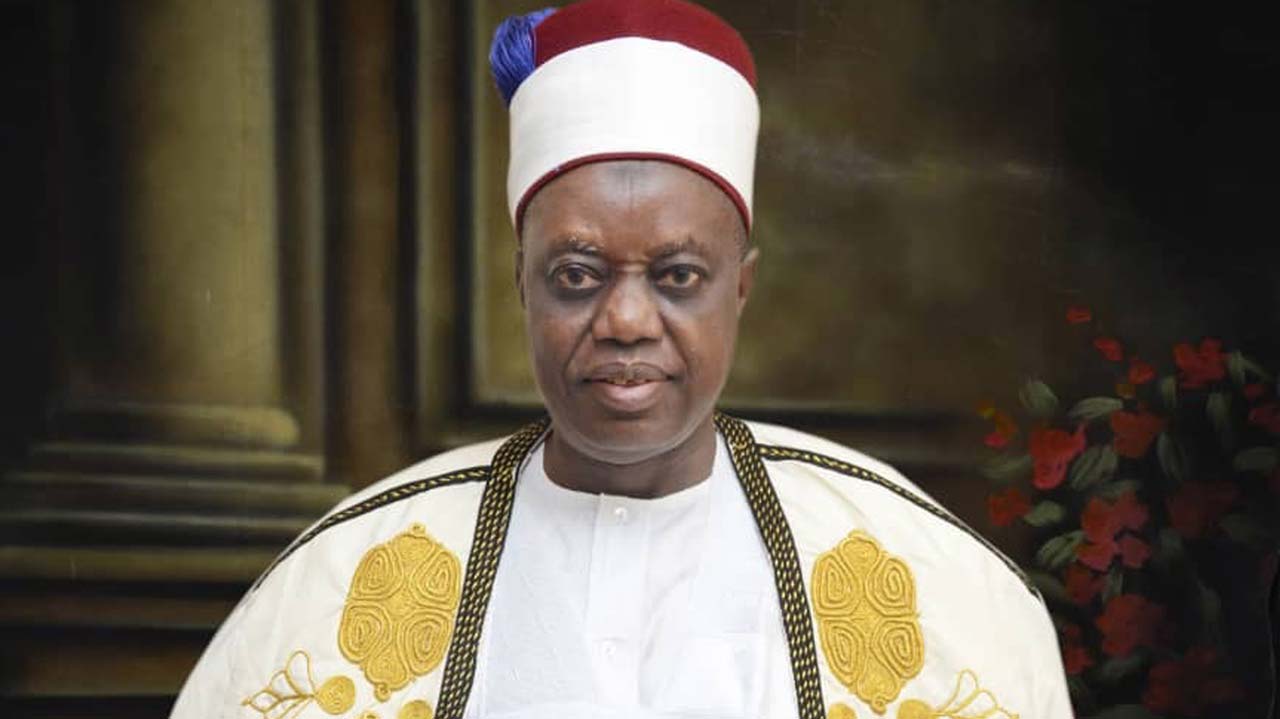
The Emir of Lafia and Chairman of the Nasarawa State Council of Chiefs, Justice Sidi Bage (rtd), has called for the criminalisation of parents and guardians who fail to send their children to school, saying such negligence fuels social problems, especially in northern Nigeria.
He made the call on Thursday at a Basic Education Summit organised by the Nasarawa State Universal Basic Education Board (NSUBEB) in Lafia. The summit was convened to address challenges facing basic education in the state.
“For anyone who has a child and that child is roaming about in the street, you need to criminalise this,” he said. “All of them that are causing this problem, especially in the northern part of Nigeria, it is because they are not treated as criminals.”
Describing the current state of basic education in Nigeria as “sick,” the former Supreme Court Justice urged governments and stakeholders to work with traditional institutions to restore confidence in public schools and revive the system.
He recalled that during the colonial era, when traditional rulers were directly involved, Nigeria’s basic education system compared favourably with those of Europe and North America.
Also speaking, the Executive Chairman of NSUBEB, Kassim Muhammad-Kassim, said two committees he set up upon assuming office revealed widespread issues affecting learning outcomes across the state.
These include a shortage of qualified teachers, illegal promotions, overstaffing in education offices, irregular loan deductions by banks, teacher absenteeism, lack of teaching materials, and vandalism of school infrastructure.
He disclosed that about 3,000 qualified teachers had illegally secured postings to local government education offices. Out of these, 1,900 were redeployed back to classrooms, with another 1,000 to follow. He added that Governor Abdullahi Sule had approved the recruitment of 1,000 additional teachers to address shortages.
Muhammad-Kassim said the state purchased 30,000 tables and chairs for public schools, following committee recommendations.
He issued a stern warning to parents, Fulani leaders, and mallams, urging them to ensure all children aged four to fifteen attend school between 7:00 a.m. and 1:30 p.m. daily. “Any child between four and fifteen years must not be seen on the street during school hours in Nasarawa State again,” he said.
Lead paper presenter, Prof. Tonnie Iredia, said diversion of school resources should be treated as a criminal offence. He advocated healthy competition among local governments, schools, and education offices to improve performance.
Declaring the summit open, Governor Abdullahi Sule praised NSUBEB’s leadership for its efforts in identifying challenges and pushing reforms. He reiterated his administration’s commitment to free education from primary to senior secondary school, including payment of NECO examination fees.
“Whatever investment we can make in education is worth it,” the governor said, stressing the need for sustained commitment to address educational challenges in the state.

