 Follow Us on Google News
 Follow Us on Google Discover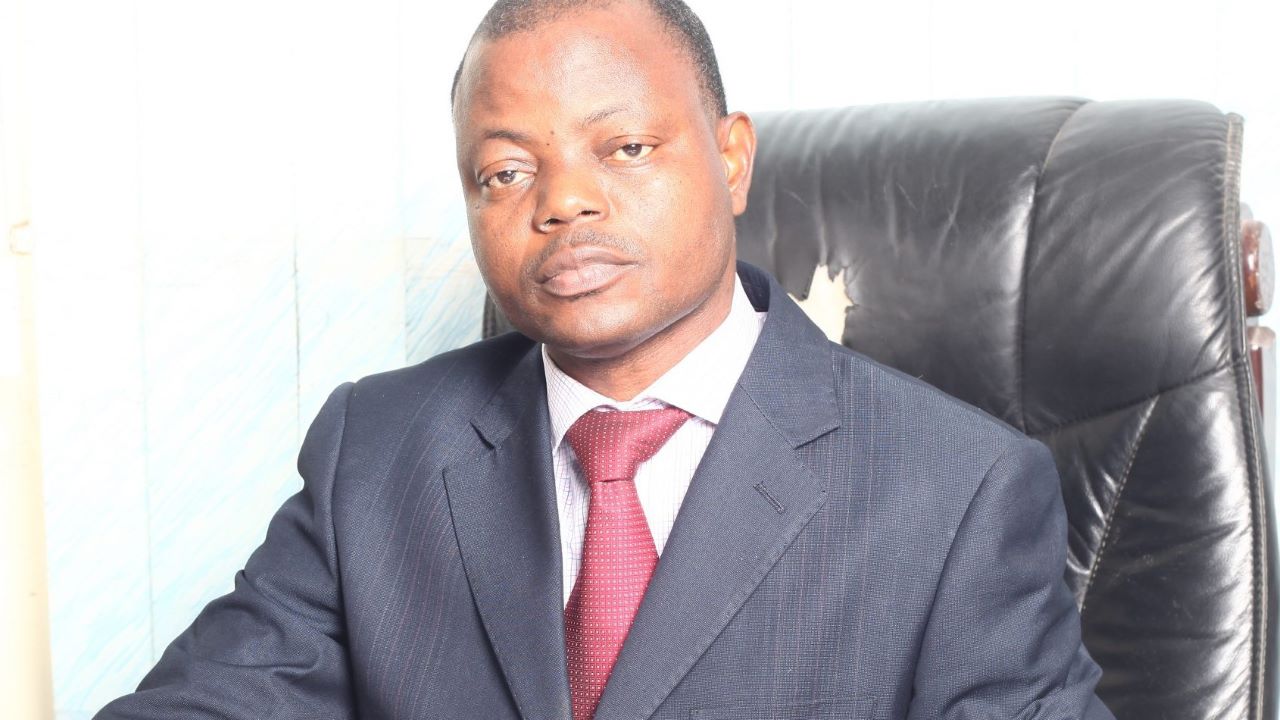
The Managing Director of Sterling Business Research and Consulting, Seun Ajayi, has identified lack of recognition, proliferation of unqualified agencies and weak client participation as major challenges facing Nigeria’s research industry, warning that the sector cannot progress without proper screening, certification and regulation.
He said the industry needed a charter status to ensure only qualified practitioners operate and to protect the credibility of research output.
Speaking at the 2025 Annual General Meeting (AGM) and investiture of fellows of the Nigerian Marketing Research Association (NiMRA), Ajayi stressed that the association was beginning to tackle the challenges but must remain focused on strengthening standards and encouraging active collaboration between clients and agencies.
Ajayi explained that the industry struggles with perceptions that favour international agencies over local firms, despite both relying on the same field teams and working with the same data sources.
He noted that manufacturers are increasingly selective in hiring agencies and urged practitioners to distinguish themselves by offering clear value. According to him, the entry barrier is too low and enables foreign agencies to dominate local projects, while relying on Nigerian firms to execute the work.
He projected that the coming year will be active for research professionals as changes in technology, economic conditions and tax regulations will require businesses to innovate.
Ajayi said innovation cannot happen without research and encouraged practitioners to prepare for increased demand from organisations seeking direction in a changing environment. He commended the current NiMRA leadership for introducing energy, transparency and innovation, saying the momentum should be sustained.
NiMRA President, Seyi Adeoye, told members that the association has followed its five-point roadmap religiously and has completed about 10 of 11 items under the first pillar of its plan.
Adeoye said NiMRA is working to strengthen internal alignment and give younger researchers more opportunities through various initiatives already launched. He also confirmed plans to collaborate with ESOMAR, including offering members reduced fees for the ESOMAR conference and creating pathways for local researchers to participate in international congresses.
He announced that the association has begun reviewing its constitution to reflect current industry realities, explaining that past provisions about decision-making were created when the sector was much smaller. According to him, the goal is to future-proof NiMRA and ensure its governance structure reflects the size and diversity of the industry today.
Adeoye said the association is also working to improve national relevance by engaging bodies such as the Nigerian Bureau of Statistics and other industry associations.
He noted that stronger collaboration will help sharpen data quality, deepen stakeholder conversations and ensure that researchers contribute meaningfully to national planning.
He encouraged members to be visible, publish thought leadership and position themselves as credible sources of insight for businesses and policymakers.
Marketing expert, Victor Olakunle Arofin, described the year as tough for organisations because of economic pressure, noting that many firms have reduced research spending.
He warned that cutting research often leads to poor decision-making and argued that research is the tool companies use to ensure the rest of their spending is well directed. He said research supports new product development, brand health assessment and early warnings when consumer perception shifts.

