 Follow Us on Google News
 Follow Us on Google Discover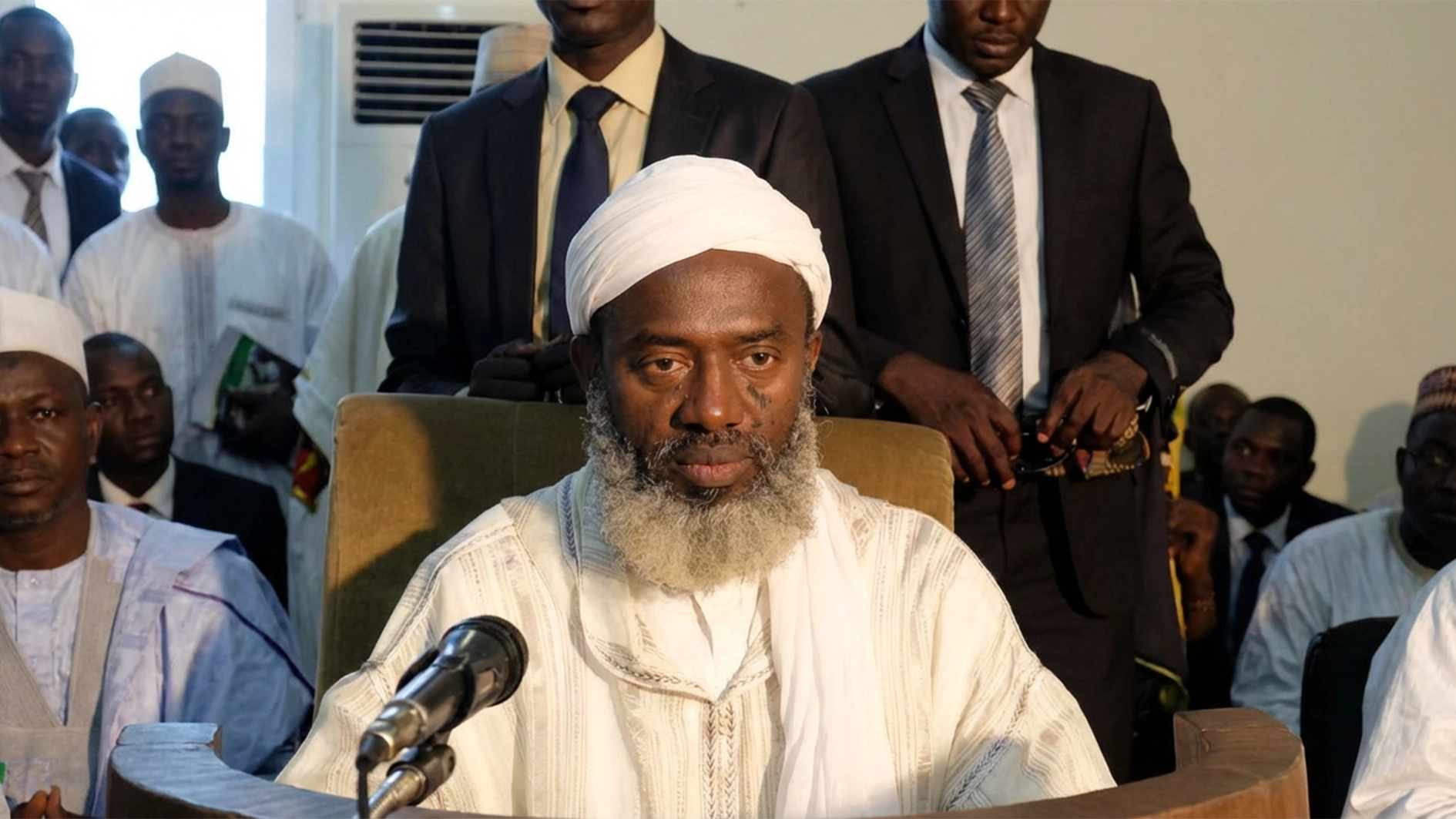
Islamic cleric Sheikh Ahmad Gumi has defended his past interactions with armed groups and reiterated that the abduction of schoolchildren, while unacceptable, is a “lesser evil” than attacks on Nigerian soldiers.
He made the remarks in an exclusive interview with the BBC, addressing both his controversial 2021 statement and accusations of maintaining links with bandits.
“I think part of what I said then is correct and part of it wrong,” Gumi said. “Saying kidnapping children is a lesser evil than killing soldiers, definitely it is lesser. But all of them are evil. All evils are not the same.”
His comments come amid a resurgence of mass abductions in Kebbi and Niger states, raising concerns about the safety of children and national security.
Gumi denied any contact with bandits since 2021, explaining that his earlier engagements were conducted openly and with the knowledge of security agencies and local authorities. “I never went there alone,” he said. “It was in 2021 when I was trying to see how we could bring them together. But the federal government was not interested. They declared them terrorists and since then we disengaged totally.”
He described the armed groups destabilising the northwest, and increasingly parts of the southwest, as predominantly “Fulani herdsmen” engaged in what he termed an “existential war” to protect their traditional livelihoods.

“They want to exist. Their life immemorial is cattle rearing,” he said, adding that pressures on grazing routes have pushed many into violent conflict.
Gumi has faced criticism for advocating dialogue with armed groups and for earlier field visits to forest areas under bandit control.
Critics have accused him of emboldening criminals and undermining state authority, claims he continues to reject.
Meanwhile, Gumi also stressed that the Nigerian military cannot defeat armed bandit groups through force, arguing that the country’s worsening insecurity requires political, community and negotiated interventions.
He made the remarks in the same interview with the BBC, describing military action as insufficient for tackling what he referred to as a guerrilla conflict.
Gumi said global experience shows that conventional armies struggle against irregular fighters, noting that Nigeria faces similar limitations.
“But even the military says that in dealing with this civil unrest and criminality, only 25% is kinetic action; the rest depends on the government, politics, and local communities. The military cannot do everything,” he said. “Where have you ever seen the military defeat guerrilla fighters? Nowhere.”v

