 Follow Us on Google News
 Follow Us on Google Discover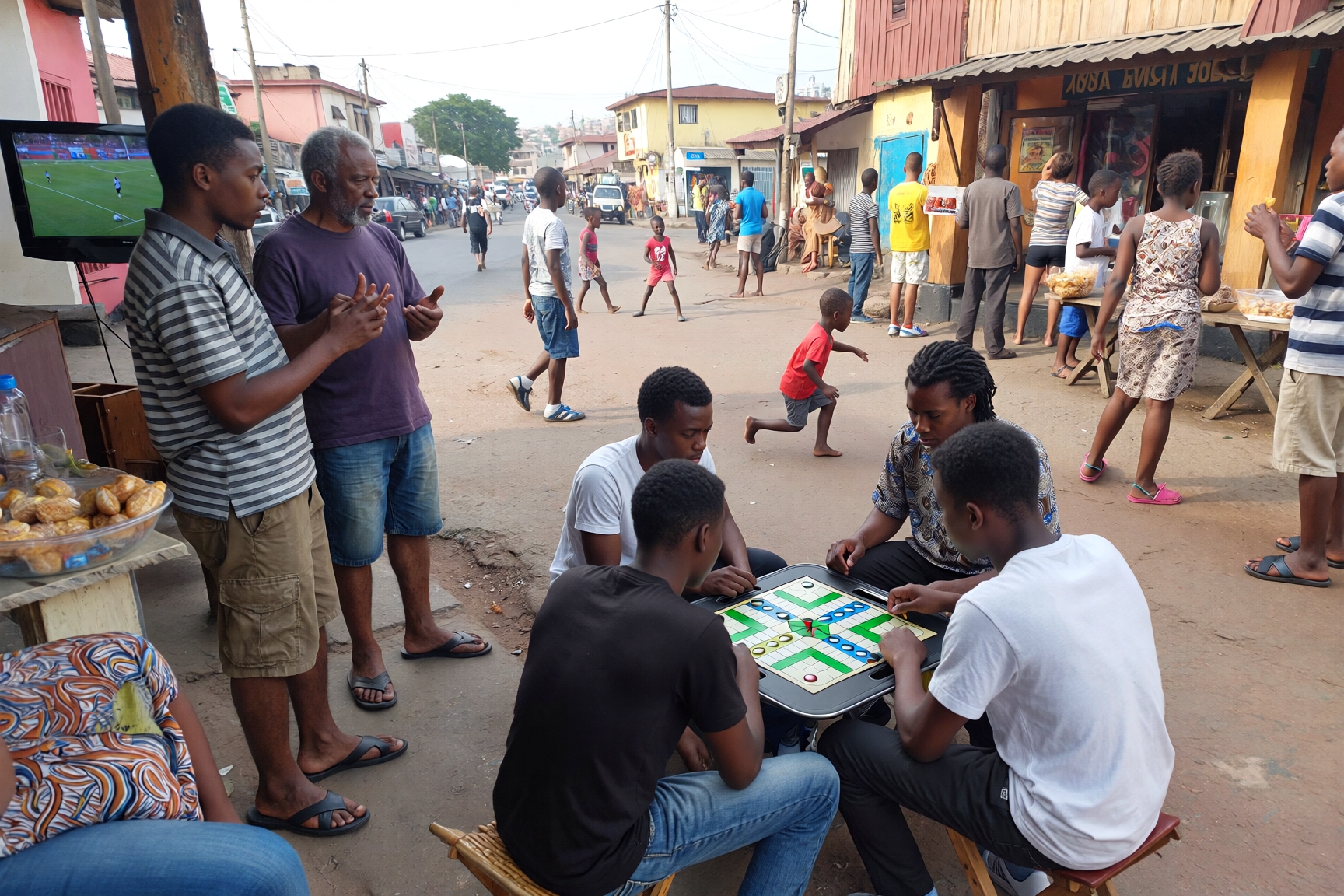
Hello there! I’m absolutely delighted to share this comprehensive guide with you about Nigerian leisure activities and entertainment. This article represents the conclusion of months of research and years of experiencing recreation across Nigeria’s vibrant cities and communities. What do Nigerians do for fun? The answer is as diverse and colourful as the nation itself, spanning from traditional festivals to modern nightlife, from competitive sports to family gatherings, and from music celebrations to outdoor adventures.
After spending years covering Nigerian culture and entertainment for The Guardian, I can tell you that Nigerian fun is contagious. There’s an energy here that’s difficult to replicate elsewhere.
Understanding Nigerian Entertainment Culture
When you ask what do Nigerians like to do for fun, you’re opening a conversation about one of Africa’s most dynamic entertainment cultures. Nigeria’s Nigerian Tourism Development Authority recognises the country’s 500+ ethnic groups, each bringing unique traditions to the national tapestry of leisure activities.
I remember my first Lagos street party back in 2018. The music was so loud my chest vibrated with every bass drop, jollof rice was being served from massive pots, and complete strangers were dancing together like they’d known each other for years. That’s Nigerian fun in its purest form.
The diversity is staggering.
In the north, you might find families gathering for traditional wrestling matches or horse racing events that have existed for centuries. Head to the southwest, and you’ll encounter elaborate masquerade festivals where entire communities participate. The southeast celebrates with cultural dance competitions and traditional music performances. Each region adds its own flavour to the national entertainment menu.
Modern Nigerian leisure draws heavily from both indigenous traditions and contemporary global trends. According to the Federal Ministry of Information and National Orientation, sports and recreation activities have been developing rapidly across the country, reflecting the tastes of Nigeria’s estimated 220 million inhabitants who count many lovers of sports and leisure games.
What Games Do Nigerians Play?
Nigerian games culture spans traditional childhood pastimes to modern digital entertainment. Growing up in Nigeria or spending time here means experiencing a unique blend of indigenous games passed down through generations.
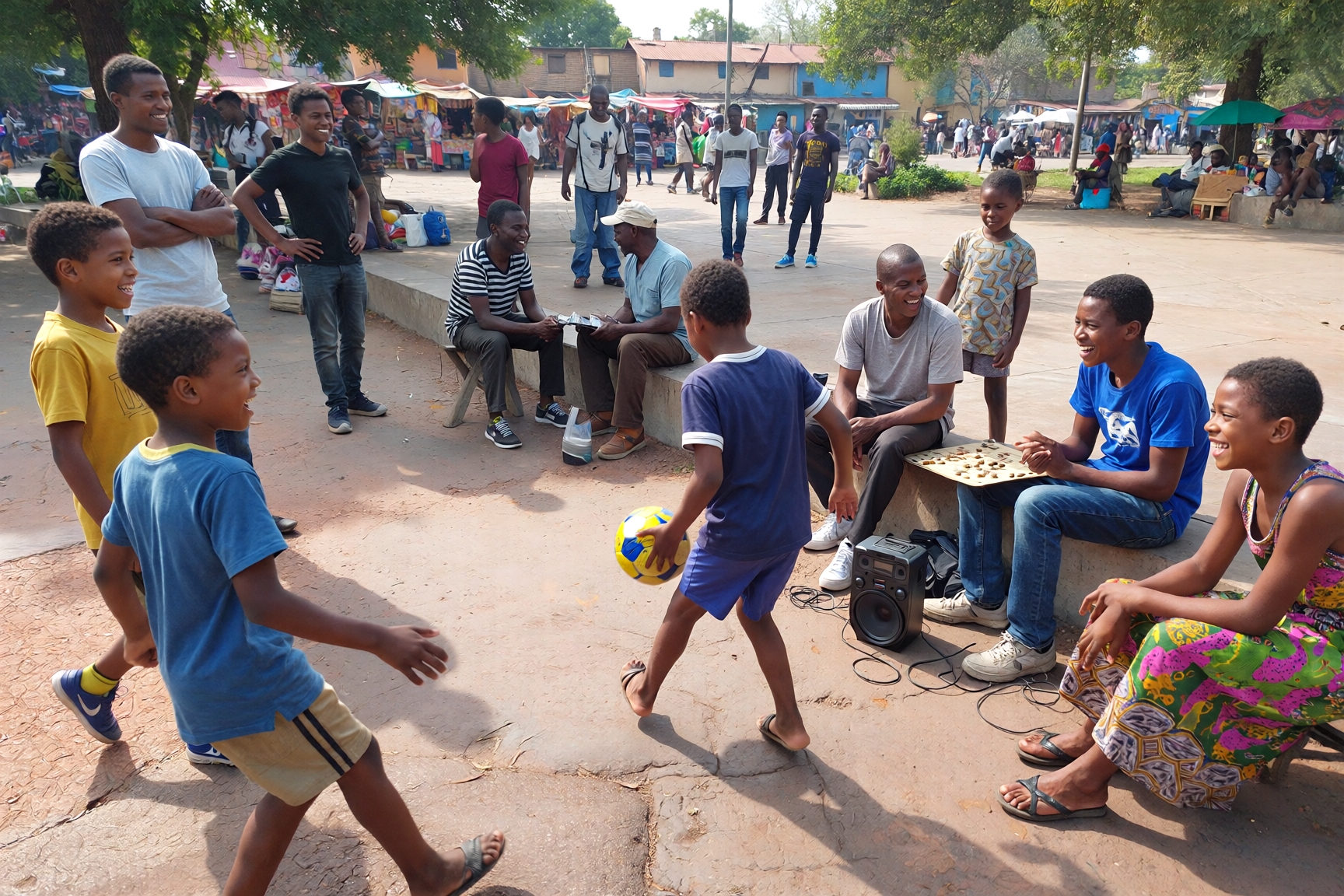
The traditional games are fascinating. Ten-Ten remains wildly popular among children (you can’t wear shoes to play it properly). Ayo or Oware, the ancient seed-counting board game, is played competitively across the country. I’ve watched elderly men spend entire afternoons hunched over these wooden boards, calculating moves with the precision of chess grandmasters.
Then there’s Ludo.
Every Nigerian household seems to own at least one Ludo board. I’ve seen heated family competitions that lasted until 2 AM, with everyone shouting and laughing as dice rolls determined fortunes. Draft (checkers) also commands serious respect here, with neighbourhood champions defending their titles against all comers.
Football dominates the sports landscape. You cannot overstate how much Nigerians love football. Every available space becomes a pitch, from dusty streets to paved car parks. Premier League match days transform viewing centres into theatres of passion, with fans debating tactics and celebrating goals as if they were on the pitch themselves.
Modern gaming has exploded in popularity among younger Nigerians. FIFA competitions are serious business, with local tournaments offering cash prizes. Guardian Nigeria reports that video games, from FIFA competitions to mobile apps, create fully immersive entertainment experiences using storytelling and virtual reality.
Basketball has been growing steadily, particularly in urban areas. You’ll find courts in Lagos neighbourhoods where young people practice their three-pointers and dream of NBA careers. The energy during pickup games is electric.
How Nigerians Spend Their Leisure Time
Music and Nightlife Culture
Nigerian nightlife deserves its own category entirely. Lagos, the country’s entertainment capital, never truly sleeps. The city’s club scene rivals anywhere globally, with venues like Quilox, The Place, and Cubana drawing crowds until sunrise.
I’ve attended enough Nigerian parties to know they operate on a different timeline. When an invitation says 7 PM, the real party starts around 10 PM and peaks at 2 AM. Nobody seems tired, and the DJ knows exactly when to drop that Burna Boy or Wizkid track that sends everyone back to the dance floor.
Live music performances are cultural institutions. From small intimate venues in Abuja to massive outdoor concerts in Port Harcourt, Nigerians support their artists with genuine enthusiasm. The connection between performers and audiences here is special, something I’ve rarely witnessed elsewhere.
Guardian Nigeria’s coverage of Lagos nightlife highlights venues like W Bar Lounge in Lekki and Bayrock in Ikeja GRA, where Lagosians go to shake off stress and embrace the weekend with music, dance, and celebration.
Family and Social Gatherings
Nigerian social life revolves heavily around family gatherings and community events. Weddings are week-long celebrations (not exaggerating) that incorporate traditional ceremonies, church services, and reception parties. Aso-ebi, the matching family fabric worn by guests, creates visual unity that’s stunning to witness.
Owambe parties are legendary. These elaborate celebrations for birthdays, anniversaries, or achievements feature live bands, professional caterers, and enough food to feed small armies. The Nigerian concept of “spraying”, where guests stick money on dancers or celebrants, adds an interactive element that makes everyone feel part of the celebration.
Sunday afternoons often mean pepper soup spots. These informal gatherings at local restaurants or bars allow friends and colleagues to unwind after church services, discuss the week ahead, and enjoy spicy goat meat or catfish pepper soup. The conversations flow as freely as the drinks.
Outdoor Adventures and Tourism
Nigeria’s natural beauty provides countless recreational opportunities that many visitors overlook. The Tour Nigeria initiative promotes historic landmarks, cultural treasures, sunlit coastlines, enchanting waterfalls, and vibrant festivals that showcase the authentic spirit of Nigeria.
Beaches are weekend sanctuaries. Tarkwa Bay in Lagos, accessible only by boat, offers families a relaxing escape with swimming, sandcastle building, and beach volleyball. Guardian Nigeria features adventure destinations including surfing lessons at Tarkwa Bay, scuba diving schools, and West Africa’s first trampoline park in Lekki.
Hiking and rock climbing have gained popularity among adventure seekers. Olumo Rock in Abeokuta draws tourists and locals alike, offering historical significance combined with physical activity. The climb provides spectacular views of the city, and the site now features modern amenities including a museum and recreational facilities.
Lekki Conservation Centre in Lagos offers nature trails through pristine forests, Africa’s longest canopy walkway, and wildlife viewing opportunities. It’s where urban Nigerians reconnect with nature without leaving the city. The peaceful atmosphere contrasts sharply with Lagos’s usual hustle.
Yankari National Park in Bauchi State attracts eco-tourists with its elephant herds, natural warm springs, and diverse wildlife. Weekend camping trips there have become increasingly popular among young professionals seeking adventures beyond city limits.
Traditional Festivals and Cultural Celebrations
Nigeria’s festival calendar is packed throughout the year. These aren’t tourist attractions created for cameras; they’re authentic cultural celebrations deeply rooted in tradition and community identity.
The Durbar festival in northern Nigeria showcases spectacular horse processions, with riders in elaborate traditional attire. I watched thousands of horsemen parade through Kano in 2019, and the pageantry was breathtaking. The skill required to control those horses while wearing full regalia is remarkable.
The Eyo festival in Lagos is hauntingly beautiful. These masquerades in white flowing robes and wide-brimmed hats move through the city in silent processions that feel like stepping back in time. Witnessing it firsthand gives you goosebumps.
Guardian Nigeria’s festival coverage highlights events like the Gidi Culture Festival, dubbed Africa’s Coachella, which features numerous African artists and celebrates Nigeria’s musical dominance. The Calabar Carnival in December attracts tourists from across Africa with its elaborate costumes, street parties, and cultural displays.
Argungu Fishing Festival in Kebbi State is utterly unique. Thousands of fishermen enter the Sokoto River simultaneously in a competitive fishing frenzy. The largest fish wins prizes, and the entire event celebrates the region’s fishing heritage with music, dancing, and feasting.
7 Steps to Experience Nigerian Fun Like a Local
Ready to immerse yourself in Nigerian recreational culture? Here’s your practical guide:
1. Start with the Food Scene
You cannot experience Nigerian fun without engaging the food culture. Visit local buka joints for authentic jollof rice, pounded yam, and egusi soup. The communal eating experience, where friends share from the same dish, builds connections faster than any icebreaker. Budget around ₦2,000-₦5,000 per person for a satisfying meal at a good local spot.
2. Attend a Live Music Performance
Check event listings for live shows by emerging or established artists. Venues like Terra Kulture in Lagos host regular performances showcasing Nigerian talent across genres. Tickets typically range from ₦3,000 for small venues to ₦25,000 for major concerts. The energy at these shows is unmatched.
3. Join a Football Viewing Party
Find a viewing centre during Premier League weekends and support your chosen team alongside passionate fans. The communal experience of celebrating goals together creates instant camaraderie. Most viewing centres charge minimal entrance fees (₦200-₦500) and make their money from drinks and snacks.
4. Explore Local Markets on Weekends
Places like Balogun Market in Lagos or Wuse Market in Abuja transform into social hubs where shopping becomes entertainment. Practise your bargaining skills, sample street food, and absorb the vibrant atmosphere. Bring cash and expect to negotiate prices on everything.
5. Participate in Beach Activities
Visit coastal areas like Elegushi Beach, Bar Beach, or Tarkwa Bay for swimming, beach volleyball, and socialising. Weekend beach parties often feature DJs and barbecue spots. Entry fees vary from ₦1,000-₦3,000, with additional costs for food and activities.
6. Experience Traditional Festival Days
Research festival calendars and plan visits around major celebrations in different regions. The Osun-Osogbo Festival (August), Durbar (end of Ramadan), and New Yam Festival (August-September) offer authentic cultural experiences. Many festivals are free to attend, though you’ll want budgets for transportation and accommodation.
7. Try Indoor Entertainment Options
Lagos and Abuja now boast modern entertainment complexes with bowling alleys, cinemas showing Nollywood and Hollywood films, arcade games, and restaurants. Places like Silverbird Galleria or Jabi Lake Mall offer complete entertainment packages. Budget ₦5,000-₦15,000 per person depending on activities chosen.
Popular Nigerian Recreational Activities Comparison
| Activity Type | Primary Locations | Average Cost (₦) | Age Group Appeal | Cultural Significance |
|---|---|---|---|---|
| Beach Outings | Lagos, Calabar, Port Harcourt | 1,000-5,000 | All ages | High – Social gatherings |
| Nightclub/Lounge | Major cities nationwide | 3,000-50,000 | 18-45 years | Very High – Youth culture |
| Traditional Festivals | Region-specific | Free-2,000 | All ages | Very High – Heritage preservation |
| Football Matches | Nationwide | 200-15,000 | All ages | Extremely High – National passion |
| Cinema | Urban centres | 2,500-5,000 | All ages | Medium – Growing entertainment |
| Live Concerts | Lagos, Abuja, Port Harcourt | 5,000-100,000 | 16-50 years | Very High – Music culture |
| Outdoor Adventures | Yankari, Obudu, Olumo Rock | 5,000-50,000 | 15-60 years | Medium – Emerging eco-tourism |
| Owambe Parties | Nationwide | Variable (by invitation) | All ages | Extremely High – Social structure |
This comparison table reveals fascinating patterns in Nigerian recreational preferences. The extremely high cultural significance of football and owambe parties reflects how deeply these activities are woven into the social fabric. Meanwhile, the growing popularity of outdoor adventures signals shifting interests among urban middle-class Nigerians seeking nature experiences.
What Are Nigerian People Known For?
When discussing what Nigerian people are known for globally, the entertainment industry dominates the conversation. Nollywood stands as the world’s second-largest film industry by volume, producing thousands of movies annually. According to Nigerian embassy cultural documentation, Nollywood has established itself as a major cultural and economic force, accounting for significant portions of Nigeria’s GDP.
The music industry has achieved even greater international recognition. Afrobeats artists like Burna Boy, Wizkid, and Davido sell out stadiums worldwide. Nigerian music’s influence on global pop culture is undeniable, with collaborations between Nigerian and Western artists becoming increasingly common.
Nigerian hospitality is legendary. Visitors consistently comment on the warmth and generosity they experience. If you visit a Nigerian home, expect to be fed regardless of the time of day. Refusing food or drink is considered almost rude because offering sustenance to guests represents core cultural values.
The entrepreneurial spirit pervades Nigerian society. In Lagos particularly, you’ll find people creating businesses from every conceivable opportunity. This hustle mentality extends to leisure activities, with many Nigerians balancing intense work schedules with equally intense enjoyment of downtime.
Nigerian fashion sense is distinctive and bold. From the vibrant prints of Ankara fabric to the elaborate gele headwraps worn at celebrations, Nigerian style makes statements. If you’ve explored my previous article about traditional Nigerian clothing, you’ll understand how fashion and fun intersect at every social gathering.
Comedy has become a defining export. Nigerian comedians dominate African comedy circuits, with stars like Basketmouth, Bovi, and AY drawing massive audiences to standup shows and creating viral content that reaches global audiences. Their observational humour about Nigerian life resonates across the diaspora.
What Are Some Fun Facts About Nigeria?
Nigeria holds the title of Africa’s largest economy and most populous nation, but the fun facts reveal more interesting dimensions.
Lagos hosts more live music performances weekly than most capital cities do monthly. The sheer volume of entertainment options in this city of 20+ million people is staggering. On any given weekend, you could choose between hundreds of events happening simultaneously.
Nigerian Pidgin English serves as a unifying language for fun and banter. While English is the official language, Pidgin breaks down regional and class barriers in social settings. Learning a few Pidgin phrases instantly endears you to locals and opens social doors.
The country produces the most twins globally per capita, with Igbo-Ora town in Oyo State nicknamed the Twin Capital of the World. Local beliefs attribute this to the yam-heavy diet, and the annual Twin Festival celebrates this unique characteristic with parties, competitions, and cultural displays.
Nigerian weddings can cost more than the average annual salary, with some elite celebrations exceeding ₦50 million. These aren’t considered wasteful but rather investments in social capital, community standing, and family honour. The celebration economy supports countless small businesses.
Jollof rice debates generate genuine passion that outsiders find amusing. The friendly rivalry between Nigerian jollof and Ghanaian jollof has spawned countless social media arguments, cooking competitions, and even diplomatic banter. Nigerians defend their version with the intensity of football fans supporting their clubs.
The nightlife in Lagos technically never stops. While some cities wind down after midnight, Lagos clubs regularly operate until 6 AM, with some venues transitioning straight from night club to day party without closing. The stamina required to keep up with Lagos partygoers is genuinely impressive.
The Social Dynamics Behind Nigerian Fun
Understanding Nigerian recreation requires appreciating the social framework that supports it. Fun here is rarely a solitary activity. The concept of doing something enjoyable alone puzzles many Nigerians, who see leisure as inherently communal.
This collective approach extends to celebration costs. For major events, entire families contribute financially, spreading the burden while ensuring spectacular results. The person hosting may coordinate, but they’re rarely funding everything themselves. This cooperative model makes elaborate celebrations accessible to more people.
Reciprocity governs social leisure. If you attend someone’s party or celebration, they’ll attend yours when the time comes. This unspoken contract builds social networks that function as informal insurance systems. The friend whose wedding you attended today might be the person who helps you find a job tomorrow.
Age hierarchy influences leisure activities more than in Western contexts. Younger people defer to elders in planning family gatherings, and certain entertainment venues cater specifically to different age brackets. You’re unlikely to find grandparents in the same nightclub as their grandchildren, though everyone might attend the same family party.
Modern Evolution of Nigerian Entertainment
The entertainment landscape has transformed dramatically over the past two decades. Internet access, though still not universal, has revolutionised how Nigerians consume and create entertainment content.
YouTube and social media platforms have launched countless entertainment careers. Comedians who might never have accessed traditional media now build massive followings through Instagram skits and YouTube videos. Musicians bypass record labels by releasing music directly to streaming platforms and promoting through social media.
Gaming cafes have proliferated across major cities, offering competitive gaming experiences for young people who can’t afford personal gaming systems. These spaces double as social hubs where friendships form over FIFA tournaments and Call of Duty matches.
The craft beverage movement has introduced new leisure dimensions. Locally produced craft beers, wines, and spirits are gaining popularity at bars and restaurants, creating tasting events and brewery tours that didn’t exist a decade ago. The drinking culture is evolving beyond traditional beer brands.
Fitness culture has exploded among middle-class Nigerians. Gyms that were once rare luxuries now operate in every neighbourhood, and outdoor fitness groups gathering in parks for sunrise workouts have become common sights. Fun increasingly includes activities once considered purely functional.
Regional Variations in Recreation
The diversity in how different regions approach leisure activities reflects Nigeria’s ethnic and geographic variety.
Northern states tend towards more conservative entertainment options, with gender-separated spaces more common in leisure venues. Traditional sports like Dambe boxing competitions draw passionate crowds, and horse racing maintains cultural significance dating back centuries.
The southwest, particularly Lagos, embraces cosmopolitan entertainment styles. International and local entertainment blend freely, with clubs playing everything from hip-hop to highlife. The region’s Yoruba masquerade traditions continue alongside modern nightlife, sometimes even incorporating traditional elements into contemporary parties.
Eastern states celebrate through elaborate social clubs and age-grade organisations that organise group activities. Traditional wrestling remains popular, and dance competitions featuring cultural dances like Igbo dance styles attract community participation. The communal approach to leisure is perhaps most pronounced here.
South-South states leverage their riverine environments for unique recreational activities. Boat cruises, fishing expeditions, and waterside restaurants create leisure experiences tied to geography. The region’s diverse cultural groups each contribute distinct festival traditions that draw visitors throughout the year.
Connecting Nigerian Fun to Daily Life
For insights into how Nigerian recreational culture connects to other aspects of daily life, my article about Nigerian food culture explores how eating and celebrating intertwine inseparably. You cannot discuss Nigerian fun without acknowledging that food forms the foundation of most social gatherings.
The relationship between work and leisure in Nigeria differs from Western patterns. Rather than strict work-life balance, Nigerians often integrate social elements into business contexts. Business negotiations might happen over extended meals, and professional networking occurs as naturally at parties as in boardrooms.
Religious activities also blur into leisure. Church programmes, mosque gatherings, and other religious events incorporate entertainment elements that make them enjoyable social experiences beyond purely spiritual purposes. Gospel concerts attract massive crowds who come for the music as much as the message.
Key Takeaways About Nigerian Recreation
Understanding what Nigerians do for fun opens windows into the nation’s soul. Here are the essential insights:
• Nigerian recreation is fundamentally communal and social, with individual leisure activities less common than collective celebrations, gatherings, and shared experiences that strengthen family and community bonds.
• Entertainment spans traditional cultural practices and modern global trends, creating unique hybrid experiences where ancient festivals coexist with contemporary nightclubs, and indigenous games compete with digital entertainment.
• Music, dance, and football represent near-universal passions that transcend regional, ethnic, and class boundaries, functioning as common languages that unite Nigeria’s diverse population through shared enthusiasm.
Frequently Asked Questions About What Nigerians Do for Fun
What do Nigerians do for fun?
Nigerians enjoy diverse recreational activities including attending live music concerts, watching football matches, participating in traditional festivals, visiting beaches, going to nightclubs, playing board games like Ludo and draft, attending elaborate parties called owambe, and spending time with family and friends over meals. These activities reflect both modern entertainment preferences and deep cultural traditions that vary by region.
What do Nigerians like to do for fun on weekends?
Weekend activities typically include church or mosque attendance followed by social gatherings, visiting viewing centres to watch Premier League football, attending owambe parties or weddings, going to beaches in coastal areas, shopping at local markets, relaxing at pepper soup spots with friends, or travelling to entertainment districts in major cities. Family visits and communal cooking also feature prominently in weekend leisure.
What games do Nigerians play at parties?
Popular party games include Ludo (board game), Whot (card game), Truth or Dare, Name That Tune music challenges, dance competitions, and various drinking games adapted to local contexts. Traditional games like Ayo or draft sometimes feature at cultural events, while modern parties might include karaoke, console gaming tournaments, or interactive games organised by MC entertainers.
What sports do Nigerians enjoy most?
Football dominates Nigerian sports culture overwhelmingly, with both English Premier League viewing and local league matches attracting passionate followings. Basketball has gained significant popularity, particularly among urban youth, while traditional sports like wrestling remain culturally important in specific regions. Tennis, athletics, boxing, and increasingly, mixed martial arts also attract dedicated fan bases.
How much does entertainment cost in Nigeria?
Entertainment costs vary dramatically by activity and location, ranging from free traditional festivals to premium nightclub experiences costing ₦50,000 or more per person. Mid-range entertainment like cinema tickets costs ₦2,500-₦5,000, restaurant outings ₦3,000-₦15,000 per person, beach entry ₦1,000-₦3,000, and concert tickets ₦5,000-₦100,000 depending on artist popularity. Budget-friendly options like viewing centres or local game spots cost under ₦1,000.
What is Nigerian nightlife like?
Nigerian nightlife, particularly in Lagos, is vibrant and extends into early morning hours, with clubs typically peaking between midnight and 4 AM. Venues range from exclusive lounges requiring significant spending on bottle service to more accessible spots with cover charges of ₦3,000-₦10,000. Music spans Afrobeats, hip-hop, highlife, and international pop, with live DJs and sometimes live band performances.
Are there outdoor recreational activities in Nigeria?
Yes, Nigeria offers diverse outdoor activities including beach sports and swimming along the Atlantic coast, hiking at locations like Olumo Rock and Idanre Hills, wildlife viewing at Yankari National Park, canopy walks at Lekki Conservation Centre, surfing lessons at Tarkwa Bay, and mountain trekking at Obudu Cattle Ranch. Eco-tourism is growing, though infrastructure development continues across many natural sites.
What are owambe parties?
Owambe parties are elaborate Nigerian celebrations typically marking birthdays, weddings, anniversaries, or achievements, featuring live music bands, professional catering, matching family fabrics (aso-ebi), and the tradition of “spraying” where guests stick money on celebrants or dancers. These parties often host 200-1000 guests, last 6-10 hours, and represent significant social investments that strengthen community bonds and family prestige.
How important is music in Nigerian fun?
Music is absolutely central to Nigerian recreational culture, with live performances, DJ events, and informal singing featuring in most social gatherings. Nigeria’s music industry has achieved global recognition through Afrobeats, and local artists command fierce loyalty from fans. Music serves as both entertainment and social glue, with specific songs evoking collective responses at parties regardless of individual taste preferences.
What traditional festivals should visitors experience?
Must-see festivals include the Durbar (northern states, after Ramadan), Calabar Carnival (December), Argungu Fishing Festival (February/March), Osun-Osogbo Festival (August), Eyo Festival (Lagos, sporadically), and New Yam Festival (August/September in southeastern states). Each offers authentic cultural experiences, spectacular visual displays, traditional music and dance, and opportunities to engage with local communities beyond typical tourist activities.
Can foreigners participate in Nigerian leisure activities?
Foreigners are generally welcomed enthusiastically at most Nigerian leisure activities, with locals often eager to share cultural experiences with visitors. Some traditional festivals have protocols requiring respectful behaviour or specific dress codes, but most recreational spaces welcome international participation. Learning basic Nigerian Pidgin and showing genuine interest in local customs enhances acceptance and creates memorable intercultural exchanges.
How has technology changed Nigerian entertainment?
Technology has revolutionised Nigerian entertainment through streaming services making Nollywood films and Nigerian music globally accessible, social media platforms launching comedy and content creation careers, online gaming communities connecting players nationwide, and digital ticketing systems making event access easier. Mobile money services have simplified transaction processes at entertainment venues, while ride-hailing apps have made nightlife safer and more accessible.

