 Follow Us on Google News
 Follow Us on Google Discover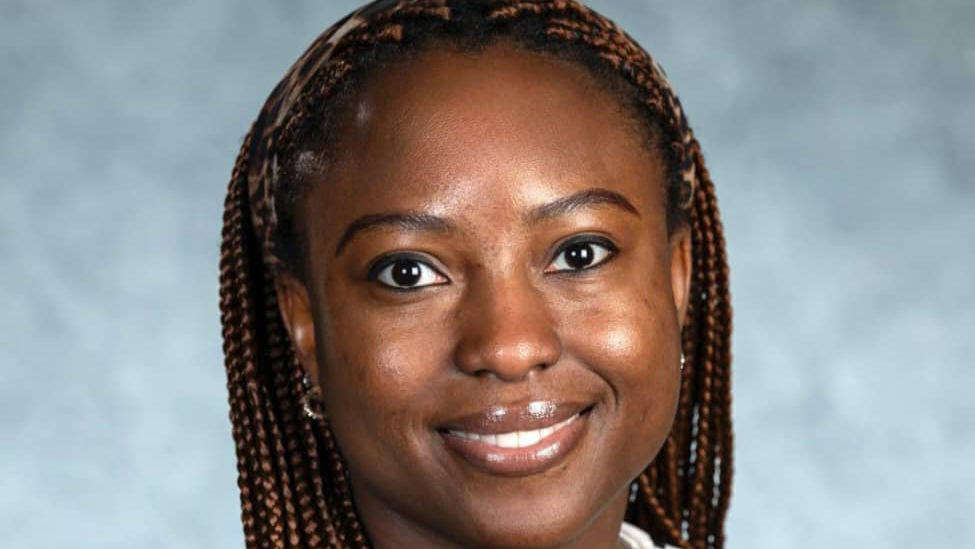
Doctoral candidate in civil and environmental Engineering at the University of Utah, USA, Ibukunoluwa Salako, has urged the critical need for sustainable practices in soil science to ensure safer food systems and environmental protection.
Speaking with The Guardian recently, Salako noted that a new generation of scientists must redefine how the world approaches sustainability, particularly regarding what happens beneath the earth when human waste becomes a resource.
“I’ve always been drawn to the invisible processes that keep our world functioning. Soil looks ordinary, but it’s one of the most complex and powerful systems we rely on for food production, climate regulation and ecosystem health,” she said.
Reflecting on her academic journey, she highlighted how her background in environmental toxicology shaped her understanding of contaminants. She added that during her master’s degree, she investigated pharmaceuticals in water environments, a pivotal experience that changed her perspective on pollution.
“Many of these compounds are not removed by conventional treatment, and they don’t just disappear; they move through water, soil, and living systems,” she noted.
Now focused on biosolids-amended agricultural soils, Salako is examining how microbial communities respond to the reuse of organic waste. She stressed that while biosolids present an opportunity to improve soil fertility, they also come with a responsibility.

“We must fully understand their long-term biological impacts to ensure environmental safety,” she said, aiming to generate science-based insights that can guide sustainable land application practices.
Beyond her research, she is a dedicated STEM ambassador, actively involved in mentorship and science communication for young women and students from underrepresented backgrounds.
Speaking about barriers women face in the field, she revealed that are still real barriers to self-doubt, lack of representation and limited access to leadership spaces. Adding that mentorship and visibility matter, she said when students see someone who looks like them navigating science with confidence, it changes what they believe is possible.
She concluded by reiterating that science is not just about degrees or data but about service and impact. She expressed commitment to supporting healthier soils, safer food systems and creating a scientific culture that is inclusive and supportive.

