 Follow Us on Google News
 Follow Us on Google Discover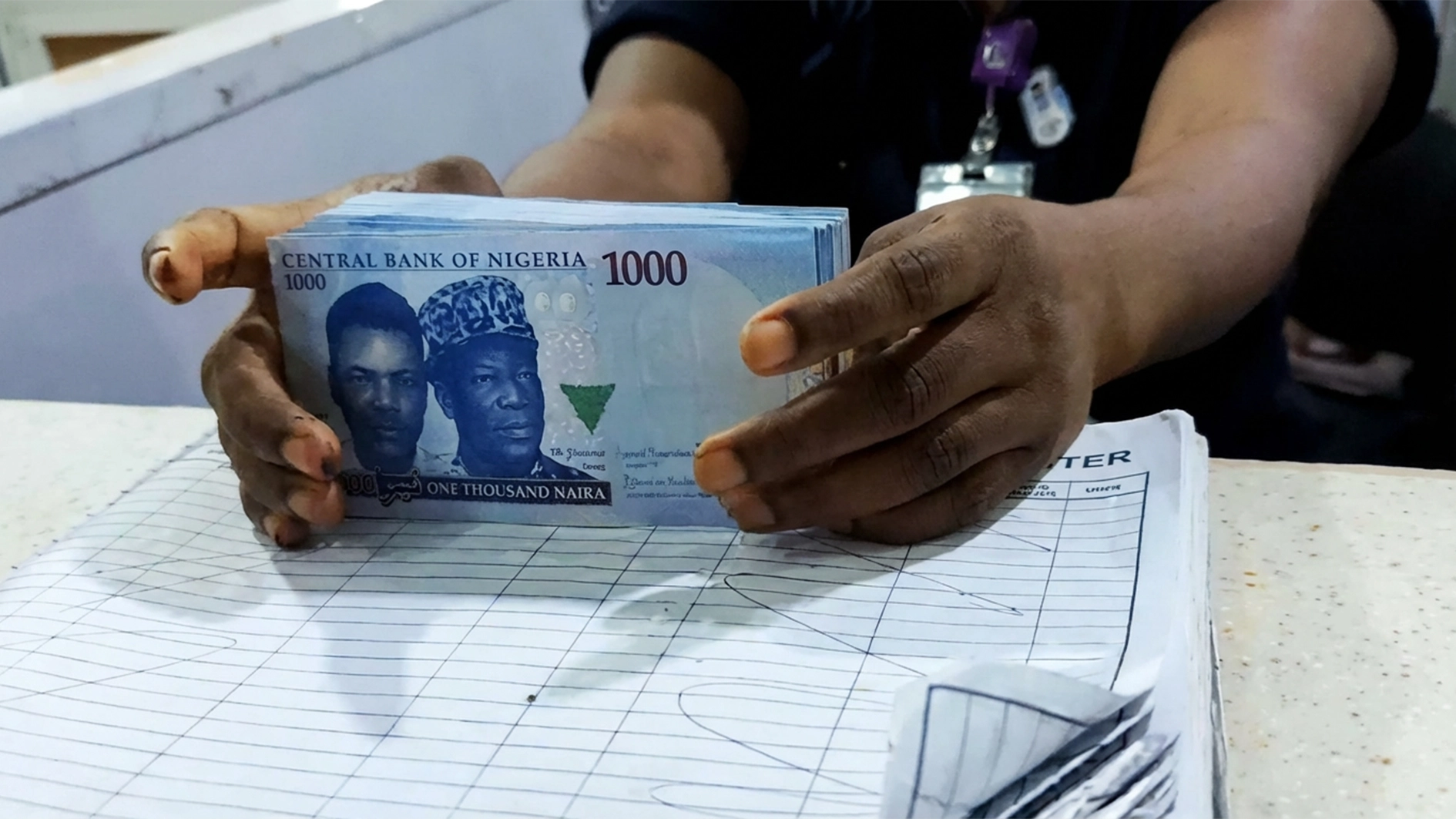
The biography of the late former President Muhammadu Buhari, presented on Monday, has taken the lid off the origins of the controversial naira redesign policy, revealing details that recast long-held assumptions about one of the most traumatic policy episodes of the administration.
The book, From Soldier to Statesman: The Legacy of Muhammadu Buhari, presented at the Banquet Hall of the Presidential Villa, Abuja, discloses that the proposal to redesign the naira did not originate from the Central Bank of Nigeria (CBN) under Godwin Emefiele, as widely believed. Rather, it was conceived within the Economic and Financial Crimes Commission (EFCC), with the explicit objective of starving vote buyers of cash ahead of the 2023 general election.
According to the account, the policy, launched in October 2022, precipitated a severe cash crunch that plunged millions of Nigerians into hardship, triggering what many described as a humanitarian crisis in the months leading up to the polls.
While officially framed as a reform to promote a cashless economy, strengthen monetary policy and curb illicit activities such as ransom payments, cash hoarding and vote buying, its implementation proved deeply disruptive.
Few policies of the Buhari era generated as much heat. With hindsight, critics viewed the redesign as a political torpedo aimed at undermining the governing party’s electoral prospects.
The biography authored by Dr Charles Omole, however, offers a more layered narrative. Long before the redesign itself, Buhari had approved a proposal from monetary authorities to upgrade domestic currency production, ending reliance on foreign printers and building national capacity. He funded the necessary upgrades and insisted on local capability. It was along this trajectory, the book notes, that the redesign proposal emerged, now packaged with the ambition of sanitising cash flows and undercutting money politics.
Buhari’s long-standing aversion to money-driven politics aligned with the pitch. By the time it became apparent, at least to some within the security establishment, that the political and operational costs were spiralling, the process had gathered irreversible momentum. Currency samples had been printed, and timelines had been set.
As the book suggests, not every policy can be elegantly withdrawn once the machinery is in motion. The biography explicitly names the then EFCC chairman, Abdulrasheed Bawa, as the originator of the redesign proposal.
The Director-General, Department of State Services (DSS), Yusuf Bichi, is quoted as saying the EFCC boss proposed the policy “with the explicit goal of starving voter-buyers”.
“Buhari’s instinct aligned,” Bichi recounts. “He had fought money politics for decades and was attracted to an idea that might, even painfully, clean up the field. Buhari was sure (Bola Tinubu) would win, so he was not concerned about cleaning up the process and levelling the field.”
Amid intense political accusations that the policy was designed to damage the ruling party, Bichi said Buhari ordered that investigative reports be sent directly to him, wary of sabotage or misrepresentation. Yet the President’s posture remained consistent: avoid interference in law enforcement, insist on transparency, and allow events to unfold without weaponising the state against opponents or shielding allies.
Beyond policy, the book also offers a rare, intimate portrait of Buhari through the lens of his former Chief Security Officer (CSO), Abubakar Idris, whose account is less about partisan battles than about the discipline, restraint and institutional habits of a commander-in-chief.
He described a President who delegated freely, demanded results without micromanagement, and shunned gossip. “We encounter the human Buhari too: a leader who refused the public arrest of a relative, insisted on stopping at red lights even in convoy, and believed that dignity itself was a form of national security.”
Delegation, Idris explains, defined Buhari’s presidency. “Trust was the red line. Once the President trusted you, he gave you space to perform, but that space came with responsibility.” Excuses, he adds, had only fleeting validity.

