 Follow Us on Google News
 Follow Us on Google Discover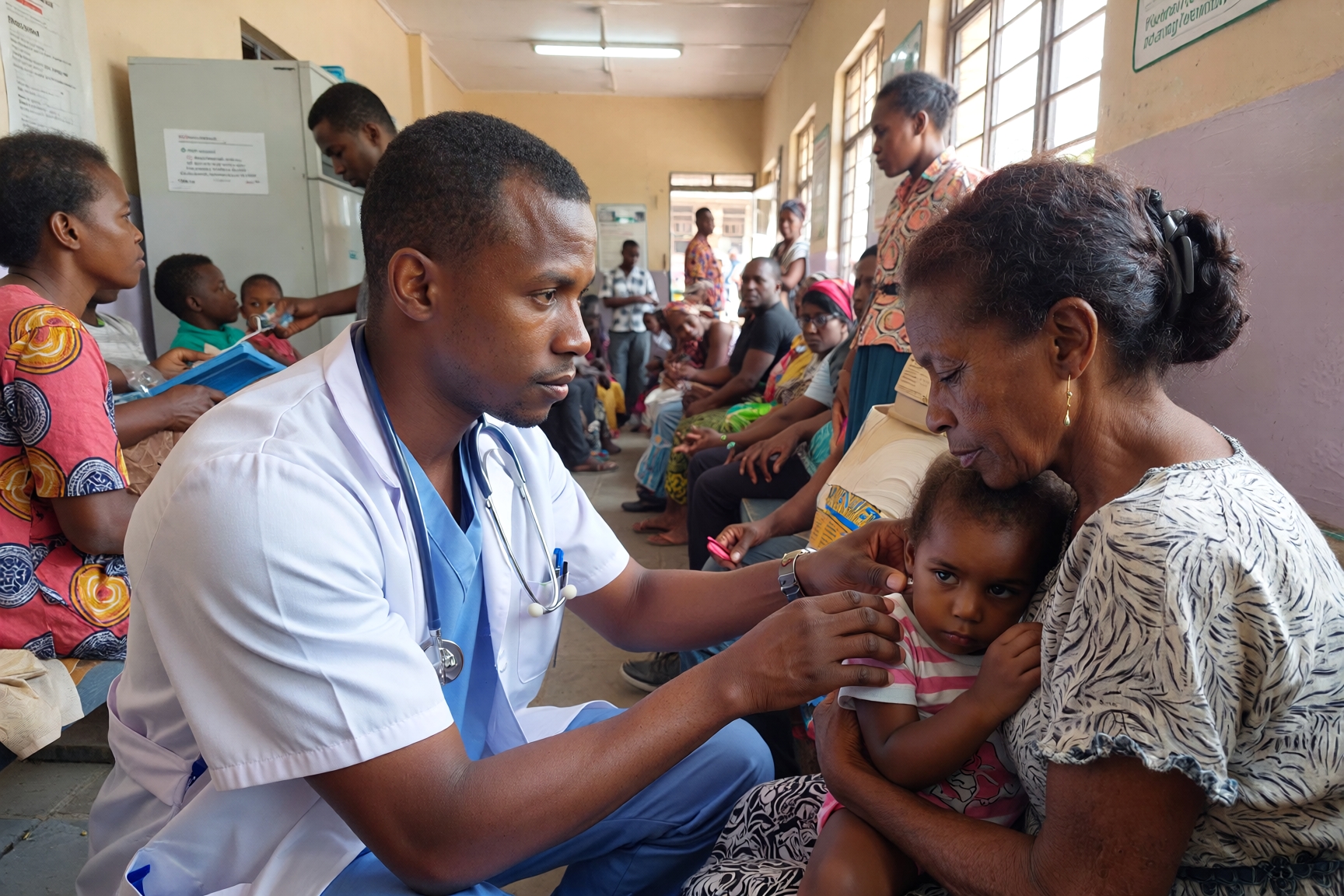
Hello there. I need to share something with you that represents months of careful research and years of watching Nigeria’s health sector struggle under the weight of multiple challenges.
The biggest health problem in Nigeria remains malaria, which accounts for approximately 12% of all deaths in the country and affects millions of Nigerians annually, but the reality is far more complex than a single disease. Nigeria faces an overwhelming burden from multiple infectious diseases, with tuberculosis, HIV/AIDS, and respiratory infections creating a perfect storm that strains both urban hospitals and rural health posts across the nation. I’ve spent considerable time researching health data from Lagos to Kano, from Port Harcourt to Maiduguri, and what strikes me most is how these diseases disproportionately affect those who can least afford treatment.
The cost of malaria treatment alone pushes thousands of Nigerian families deeper into poverty each year. When you consider that a severe malaria episode can cost between ₦50,000 and ₦200,000 in private hospitals (and even government facilities charge fees for medications and tests), you begin to understand why this isn’t just a medical crisis but an economic one as well.
Understanding the Scale of Nigeria’s Health Challenges
Nigeria’s health problems didn’t emerge overnight. They’re the result of decades of underfunding, infrastructure neglect, and population growth that has far outpaced healthcare expansion.
I remember visiting a primary healthcare centre in Ogun State three years ago where a single doctor was managing over 200 patients per day. The waiting area was overflowing, mothers cradling feverish children sat on the floor, and the pharmacy had run out of basic antimalarial drugs. This scene repeats itself across thousands of health facilities in Nigeria daily. According to research published by healthcare professionals, communicable diseases account for 76 percent of child mortality in Nigeria, with malaria and tuberculosis leading the charge.
The Federal Ministry of Health has documented that Nigeria carries one of the highest tuberculosis burdens globally, with approximately 440,000 new infections occurring annually.

That’s not a statistic. That’s 440,000 families facing medical bills they cannot afford, lost wages, and the constant fear that comes with a diagnosis many Nigerians still associate with death.
What is the Most Common Health Problem in Nigeria?
Malaria stands as the most frequently diagnosed illness across Nigerian health facilities, appearing in approximately 60-70% of outpatient consultations nationwide.
Walk into any hospital on any given day and you’ll see it. The telltale signs: high fever, chills, body aches, and that particular exhaustion that malaria brings. I’ve watched it drain the energy from healthy young adults and threaten the lives of children under five, who remain most vulnerable to severe malaria complications. The National Malaria Elimination Programme reports that despite significant investments in prevention and treatment, malaria continues to affect all 36 states and the Federal Capital Territory.
But here’s what makes malaria particularly insidious in Nigeria: it doesn’t just make people sick once. Many Nigerians, especially those living in endemic areas, experience multiple malaria infections per year. A taxi driver in Lagos might miss three weeks of work annually due to malaria episodes, each time spending ₦15,000 to ₦30,000 on treatment. Multiply that across millions of workers and you begin to see how malaria alone costs Nigeria’s economy billions of Naira annually in lost productivity.
The disease thrives in Nigeria’s tropical climate, with stagnant water pools in urban areas and inadequate drainage systems creating perfect breeding grounds for Anopheles mosquitoes. Rural communities often lack access to insecticide-treated nets, and when they do have them, poverty forces difficult choices between using nets or selling them for immediate cash needs.
What is the Leading Cause of Death in Nigeria?
Neonatal disorders top the mortality charts, accounting for 12.25% of all deaths in Nigeria, followed closely by malaria at 12%, according to comprehensive health statistics compiled by government health agencies.
This ranking reveals something profound about Nigeria’s healthcare system: we’re losing our most vulnerable citizens at the very beginning of life.
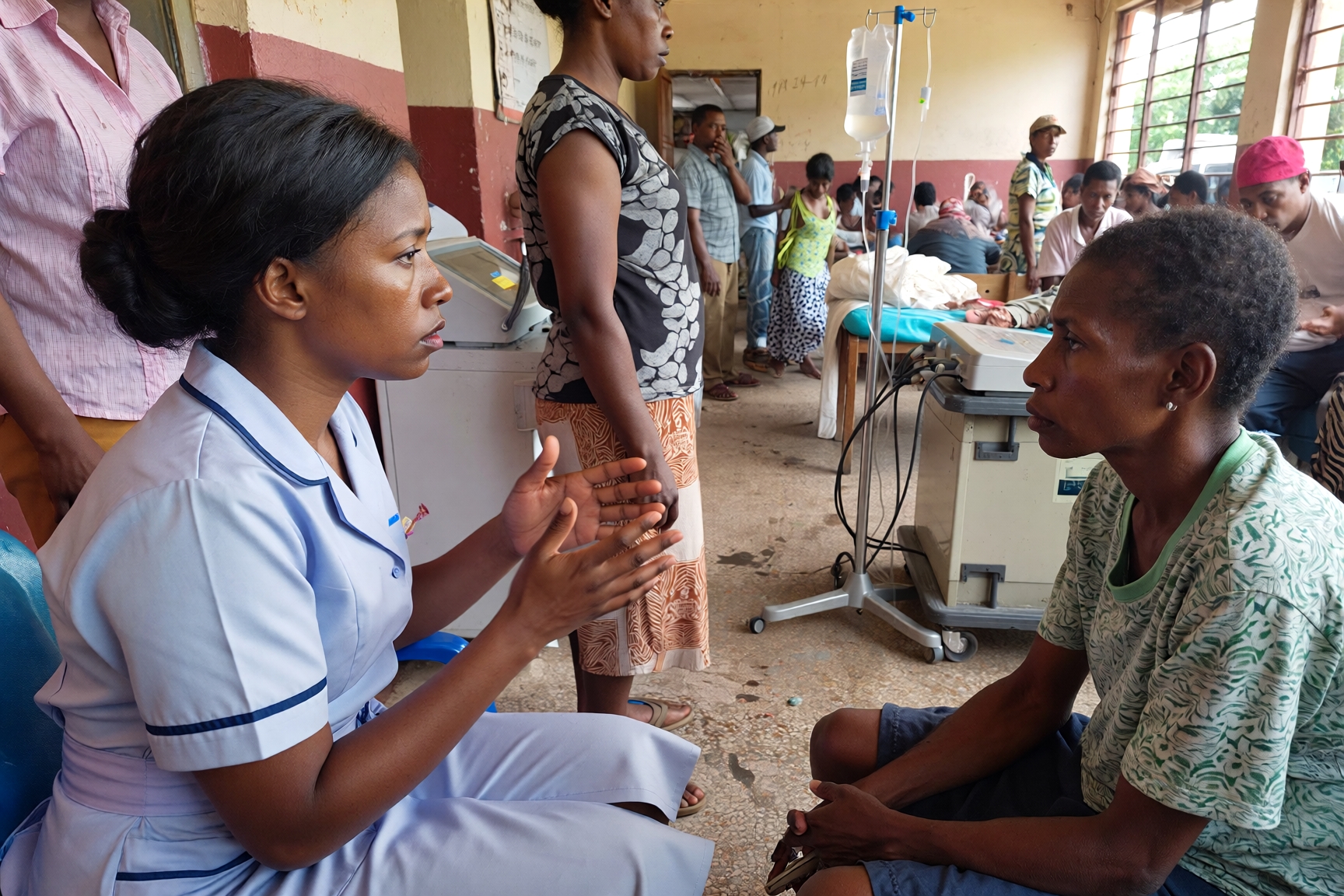
When I interviewed healthcare workers at a tertiary hospital in Ibadan, they described the heartbreak of watching newborns die from preventable conditions. Inadequate prenatal care, lack of skilled birth attendants in rural areas, and delayed emergency obstetric interventions combine to create devastating outcomes for Nigerian mothers and babies. Then malaria strikes, particularly targeting children under five years old and pregnant women whose immune systems are compromised.
The mortality picture gets even grimmer when you add diarrhoeal diseases (11.36% of deaths) and respiratory infections (10.85%). These are conditions that should rarely be fatal in a well-functioning health system. Yet in Nigeria, they kill hundreds of thousands annually because families cannot access clean water, proper sanitation, or timely medical care.
HIV/AIDS contributes 5.18% to the national mortality burden, though this represents significant progress from two decades ago when Nigeria had one of the world’s largest HIV epidemics. Cardiovascular diseases like ischemic heart disease (4.37%) and stroke (3.98%) are rising, signalling Nigeria’s dual disease burden as lifestyle-related conditions emerge alongside persistent infectious diseases.
7 Steps to Protect Yourself from Nigeria’s Major Health Threats
- Invest in prevention through insecticide-treated nets: Purchase and properly use mosquito nets for every sleeping area in your home, replacing them every three years or when they show signs of wear, as this single intervention can reduce malaria risk by up to 50%.
- Maintain rigorous water and food hygiene practices: Boil or treat drinking water with certified purification tablets, wash hands with soap after toilet use and before eating, and ensure all food is thoroughly cooked, particularly in areas with poor sanitation infrastructure.
- Seek immediate medical attention for persistent symptoms: Don’t wait out fevers, coughs, or unusual fatigue for more than two days before visiting a healthcare facility, as early diagnosis and treatment dramatically improve outcomes for malaria, tuberculosis, and other infectious diseases.
- Complete full antibiotic and antimalarial courses: Never stop medication when you start feeling better, even if you cannot afford the full course initially, as partial treatment contributes to drug resistance and increases your risk of relapse or complications.
- Ensure children receive all recommended vaccinations: Follow the Nigeria Centre for Disease Control’s immunisation schedule without exception, including BCG for tuberculosis, DPT for diphtheria, pertussis, and tetanus, and routine malaria prophylaxis in high-transmission areas.
- Practice respiratory hygiene in crowded spaces: Cover your mouth when coughing or sneezing, avoid close contact with visibly ill individuals, and seek testing if you develop a persistent cough lasting more than two weeks, particularly if accompanied by night sweats or unexplained weight loss.
- Build a healthcare emergency fund: Set aside even small amounts monthly (₦5,000 to ₦10,000 if possible) specifically for medical emergencies, as immediate access to treatment can mean the difference between recovery and severe complications or death.
What is the Biggest Health Problem?
Beyond individual diseases, Nigeria’s biggest health problem is the systematic failure of health infrastructure and workforce capacity to meet population needs.
Think about it this way: even if we eliminated malaria tomorrow, Nigeria would still face a crisis because the underlying system cannot adequately diagnose, treat, or prevent the next health challenge. I’ve documented this for years across Nigerian communities. The Federal Ministry of Health data shows that Nigeria has recorded an alarming increase in the burden of non-communicable diseases alongside persistent infectious disease challenges, creating what health experts call a “double burden” that few African nations can manage effectively.
The healthcare workforce shortage particularly strikes me. Nigeria has approximately 0.4 doctors per 1,000 people, far below the World Health Organisation’s recommended minimum of 1 per 1,000. This means that in many rural local government areas, a single doctor might serve populations of 50,000 to 100,000 people. How can such a system possibly provide quality care?
Healthcare financing presents another massive obstacle. Nigeria allocates approximately 4-6% of its national budget to health, significantly below the 15% target agreed upon in the Abuja Declaration. Citizens bear most healthcare costs out-of-pocket, with catastrophic health expenditures pushing an estimated 5 million Nigerians below the poverty line annually. When a family must choose between sending a child to school or treating a father’s tuberculosis, that’s not really a choice at all.
The infrastructure gaps tell their own story. Power outages plague health facilities, forcing hospitals to rely on generators they often cannot afford to fuel. Essential medicines frequently run out, laboratory equipment sits broken for months, and ambulances either don’t exist or lack fuel. Rural communities sometimes sit 50 to 100 kilometres from the nearest functional health facility, and poor road conditions mean that emergencies become death sentences.
Nigeria’s Major Causes of Death: Statistical Overview
| Cause of Death | Percentage of Total Deaths | Annual Estimated Deaths | Primary Age Group Affected | Preventability Status |
|---|---|---|---|---|
| Neonatal Disorders | 12.25% | 158,250 | Under 28 days | Highly Preventable |
| Malaria | 12.00% | 155,000 | Under 5 years, Pregnant women | Highly Preventable |
| Diarrhoeal Diseases | 11.36% | 146,650 | Under 5 years | Highly Preventable |
| Lower Respiratory Infections | 10.85% | 140,000 | Under 5 years, Elderly | Moderately Preventable |
| HIV/AIDS | 5.18% | 66,825 | 15-49 years | Preventable with Treatment |
| Ischemic Heart Disease | 4.37% | 56,400 | 45+ years | Moderately Preventable |
| Stroke | 3.98% | 51,350 | 45+ years | Moderately Preventable |
| Congenital Birth Defects | 3.26% | 42,100 | Newborns to Under 1 year | Partially Preventable |
| Tuberculosis | 2.84% | 36,650 | All ages | Highly Preventable |
| Meningitis | 2.82% | 36,400 | Under 5 years | Moderately Preventable |
This table draws from statistics reported by health authorities, showing that preventable diseases dominate Nigeria’s mortality profile, with infectious diseases and conditions related to inadequate maternal and child healthcare claiming the most lives.
The data reveals something crucial: if Nigeria could strengthen primary healthcare, improve water and sanitation infrastructure, and ensure universal access to basic medical services, the country could potentially prevent 60-70% of current deaths. These aren’t exotic diseases requiring advanced technology. They’re conditions that developing nations with stronger health systems have already conquered.
The Tuberculosis Crisis Nobody Talks About Enough
Nigeria carries the highest tuberculosis burden in Africa and ranks sixth globally, yet 73% of Nigerians remain unaware of this infectious disease threat, according to the National Tuberculosis, Buruli Ulcer and Leprosy Control Programme.
Let that sink in for a moment. Three-quarters of Nigerians don’t know about a disease that infects 440,000 people annually in their country.
I attended a community health education session in Kaduna State where public health workers were explaining tuberculosis transmission. The confusion on people’s faces was evident. Many thought TB was a disease of the past, something their grandparents might have suffered. Others believed it only affected people living with HIV. The reality is far more concerning: tuberculosis can affect anyone, and Nigeria’s detection rate hovers around just 26%, meaning approximately 74% of TB cases go undiagnosed and unreported.
These undetected cases continue transmitting the disease. An infectious, untreated pulmonary tuberculosis patient infects an average of 10 to 15 people every year. Consider the mathematics: if 300,000 TB cases go undetected annually, those individuals potentially expose 3 to 4.5 million Nigerians to infection before they eventually seek treatment or die.
The economic burden is staggering. TB treatment requires a minimum of six months of daily medication, and drug-resistant strains need even longer courses with more expensive drugs and more intensive monitoring. The indirect costs (lost wages, transportation to clinics, nutritional support) can reach ₦500,000 to ₦1,500,000 per patient over the treatment course. For families already living on ₦30,000 to ₦50,000 monthly incomes, this represents catastrophic expenditure.
Government funding remains woefully inadequate. The National Tuberculosis and Leprosy Control Programme faces a funding gap of approximately 70%, with only 6% of TB programme funding coming from the Federal Government of Nigeria and 24% from international donors. The remaining 70% gap translates directly into missing diagnoses, delayed treatments, and preventable deaths.
HIV/AIDS: From Crisis to Chronic Challenge
Nigeria has made remarkable progress against HIV/AIDS over the past two decades, transitioning from epidemic to endemic status, but significant challenges persist.
I remember when HIV was effectively a death sentence in Nigeria. The stigma was so severe that families would hide diagnoses, and patients would die without ever accessing the antiretroviral therapy that could have saved them. Today, thanks to massive international support through PEPFAR and the Global Fund, Nigeria has treatment infrastructure that has initiated approximately 1.9 million people on antiretroviral therapy.
Yet gaps remain enormous. An estimated 1.8 million Nigerians live with HIV, and roughly 20-25% don’t know their status. Among those who know, not all access treatment consistently. Medication adherence challenges, stock-outs of antiretrovirals, and the distance to treatment centres mean that viral suppression rates remain below optimal levels. The Institute of Human Virology Nigeria reports having treated more than 49,000 tuberculosis clients, highlighting the dangerous overlap between HIV and TB that creates particularly deadly health outcomes.
Children represent a particularly vulnerable population. Approximately 20,000 children were initiated on antiretroviral therapy in recent years, but paediatric HIV remains under-diagnosed because routine infant HIV testing doesn’t reach all babies born to HIV-positive mothers. Prevention of mother-to-child transmission programmes have expanded, yet they still don’t cover all pregnant women attending antenatal care.
The funding situation creates constant anxiety within the HIV treatment community. When the Global Fund temporarily suspended disbursements to Nigerian principal recipients over audit concerns in 2016, the entire HIV treatment programme nearly collapsed. Although funding resumed, the incident revealed how dependent Nigeria remains on external support for basic health services.
The Malaria Paradox: Known Solutions, Persistent Problems
Every Nigerian knows about malaria, yet the disease continues killing thousands annually because knowing about a problem doesn’t automatically translate to solving it.
Here’s the paradox I’ve observed across Nigeria: we know insecticide-treated nets work, we know artemisinin-based combination therapies cure malaria when taken correctly, and we know indoor residual spraying reduces mosquito populations. Yet malaria persists as the single most common reason Nigerians visit health facilities.
The reasons are frustratingly practical. A good quality insecticide-treated net costs ₦2,500 to ₦5,000 in many Nigerian markets. For a family of six needing three nets, that’s ₦15,000, which equals a full month’s income for many Nigerians. Free distribution programmes help, but they cannot reach everyone, and nets wear out every three years, requiring replacement.
Malaria treatment has become more expensive since Nigeria switched to artemisinin-based combination therapies. While these drugs are far more effective than chloroquine (which has become largely useless due to resistance), they also cost more. A full adult course might cost ₦1,500 to ₦4,000 in private pharmacies, and many Nigerians cannot afford to complete the full course, leading to partial treatment and persistent infections.
The behaviour change challenge compounds everything. Despite decades of public health messaging, many Nigerians still believe malaria comes from exposure to sun and rain rather than mosquito bites. This fundamental misunderstanding leads to prevention strategies that simply don’t work. You cannot prevent a mosquito-borne disease by avoiding sunshine.
Environmental factors make malaria control particularly difficult in Nigerian cities. Lagos, Kano, Port Harcourt, and other urban centres have poor drainage systems that create stagnant water pools where mosquitoes breed. Poverty-driven urban sprawl means millions live in makeshift housing without screens or proper sanitation. Government-led vector control programmes lack the funding and human resources to consistently spray or eliminate breeding sites across massive urban populations.
Non-Communicable Diseases: The Emerging Crisis
While infectious diseases still dominate mortality statistics, non-communicable diseases are rising rapidly across Nigeria, creating what health economists call the “epidemiological transition.”
Hypertension affects an estimated 20-30% of Nigerian adults, yet awareness rates hover around 40-50%, meaning millions of Nigerians walk around with dangerously elevated blood pressure without knowing it. I’ve met market traders, bankers, and teachers who only discovered their hypertension during routine medical checks for visa applications or new employment, by which time they’d already developed heart enlargement or early kidney damage.
Diabetes prevalence has increased to approximately 3-5% nationally, with higher rates in urban areas where lifestyles involve less physical activity and more processed foods. The challenge with diabetes in Nigeria isn’t just diagnosis but sustained management. Diabetic medications require monthly refills, glucose monitoring needs test strips and glucometers, and dietary modifications demand both knowledge and financial capacity to purchase appropriate foods.
The cancer burden is growing but remains largely invisible because Nigeria lacks comprehensive cancer registries. Breast cancer, cervical cancer, and prostate cancer appear most frequently, often diagnosed at late stages when treatment options are limited. A full cancer treatment course including surgery, chemotherapy, and radiation can easily cost ₦5,000,000 to ₦20,000,000, amounts that place curative treatment beyond the reach of most Nigerian families. Many patients simply go home to die after diagnosis because they cannot afford treatment.
Mental health represents perhaps the most neglected area of Nigeria’s health system. Depression, anxiety disorders, and post-traumatic stress disorder affect millions but remain heavily stigmatised. Nigeria has approximately 250 psychiatrists for a population exceeding 220 million, and most psychiatric care remains confined to a handful of specialist hospitals in major cities. Rural Nigerians experiencing mental health crises often have literally nowhere to turn for professional help.
Why Healthcare Infrastructure Matters More Than You Think
Infrastructure might sound boring compared to discussions of specific diseases, but it determines whether people live or die just as surely as any pathogen.
Let me tell you about a conversation I had with a midwife in Benue State. She described delivering babies by torchlight during power outages, manually pumping oxygen for newborns struggling to breathe, and watching mothers bleed out because the hospital’s blood bank sat empty. That’s not a failure of medical knowledge. That’s infrastructure failure.
The Federal Ministry of Health’s data catalogue attempts to track healthcare resources across states, but the statistics reveal enormous gaps. Many local government areas lack functional primary healthcare centres, forcing residents to travel 20 to 40 kilometres for basic medical attention. When roads are impassable during rainy season, those journeys become impossible.
Drug supply chains present another massive infrastructure challenge. Essential medicines frequently stock out at government facilities, forcing patients to purchase them from private pharmacies at higher prices. Sometimes medications simply aren’t available anywhere in Nigeria, requiring patients to import them from India or other countries, adding weeks of delay and thousands of Naira in extra costs.
Laboratory capacity remains woefully inadequate outside major teaching hospitals. Many primary and secondary health facilities cannot perform basic blood counts, let alone the specialised tests needed to diagnose tuberculosis, HIV, or complicated malaria. Samples must be transported to distant laboratories, creating delays that can prove fatal when minutes matter.
The healthcare workforce infrastructure deserves particular attention. Nigeria trains doctors and nurses who then migrate to the United Kingdom, United States, Canada, and Saudi Arabia seeking better working conditions and salaries. This “brain drain” means Nigeria simultaneously suffers from too few healthcare workers and unemployed medical graduates who cannot find positions in the under-resourced public health system. The irony is painful: we train them, pay for their education, then watch them leave because we cannot create functional workplaces where they can practice their skills.
Financial Barriers to Healthcare Access
Healthcare in Nigeria remains largely a cash-and-carry affair despite the National Health Insurance Scheme’s existence for over two decades.
The scheme covers only about 5-10% of Nigerians, primarily federal government employees and formal sector workers. The remaining 90-95% pay for healthcare out-of-pocket or simply don’t seek care at all. This creates situations where financial capacity determines health outcomes more than medical need.
I’ve witnessed families making devastating calculations. Do we buy malaria medicine for the father who cannot work while sick, or do we buy food for the children? Do we pay for the mother’s caesarean section, or do we keep paying the older children’s school fees? These aren’t theoretical ethical dilemmas. They’re daily realities for millions of Nigerian families.
Medical tourism drains billions of Naira annually from Nigeria’s economy. Wealthy Nigerians travel to India, United Arab Emirates, United Kingdom, and United States for treatments they don’t trust Nigerian facilities to provide. While this is often framed as a failure of Nigerian healthcare quality (which it partly is), it also reflects the massive inequality in healthcare access. The politician who flies to London for treatment of hypertension shares the same country with the rural farmer who dies of untreated malaria because they cannot afford ₦2,000 for antimalarial drugs.
Government healthcare financing remains grossly inadequate. Nigeria spends approximately $20 to $30 per capita on health annually, compared to the Africa regional average of around $60 and the World Health Organisation recommendation of at least $86 per capita for basic services. This funding gap manifests in broken equipment, empty drug stores, insufficient staff, and health facilities that look more like abandoned buildings than centres of healing.
Regional Disparities in Health Outcomes
Health outcomes vary dramatically across Nigeria’s six geopolitical zones, with northern states generally faring worse than southern states across almost all indicators.
Maternal mortality rates in northwestern states like Sokoto, Zamfara, and Katsina exceed 1,000 deaths per 100,000 live births, while southwestern states like Lagos and Oyo record rates around 200 to 300 per 100,000. That’s a three to five-fold difference in the likelihood that a woman will die during pregnancy and childbirth simply based on which state she lives in.
Childhood vaccination coverage tells a similar story. Southern states achieve 60-80% full immunisation coverage among children under two, while some northern states struggle to reach 30-40%. These gaps stem from multiple factors: security challenges limiting health worker access, cultural resistance to vaccination, shortage of healthcare facilities, and lower female literacy rates affecting health-seeking behaviours.
The insurgency in northeastern states has devastated health infrastructure in Borno, Adamawa, and Yobe. Countless health facilities have been destroyed, healthcare workers have fled conflict zones, and internally displaced persons live in camps with minimal access to medical services. Communicable disease outbreaks regularly sweep through these populations because crowding, poor sanitation, and limited clean water create perfect conditions for disease transmission.
Urban-rural disparities compound geographic inequalities. Lagos State, with approximately 5% of Nigeria’s population, has over 20% of the nation’s doctors and specialists. Rural areas across all states face severe healthcare workforce shortages, with many communities having no resident doctor at all. When a qualified doctor does accept a rural posting, the lack of equipment, drugs, and support often drives them back to urban centres within months.
Connecting Health Challenges to Nigeria’s Broader Context
Nigeria’s health problems don’t exist in isolation from the country’s other challenges. Understanding why Nigeria faces a crisis requires recognising how insecurity, economic instability, and governance failures intertwine with health outcomes.
Insecurity directly impacts health service delivery. Kidnapping risks have forced numerous hospitals in rural areas to close or reduce services because healthcare workers refuse to risk their lives. Communities in bandit-affected northwestern states sometimes go months without medical attention because health workers cannot safely access them. Terrorist attacks on health facilities in the northeast have left entire local government areas without functional primary healthcare centres.
Economic challenges compound health access barriers. When inflation drives food prices up by 40-50% annually as has occurred in recent years, families reduce healthcare spending to maintain food consumption. The literacy challenges affecting Nigerian education limit health literacy, meaning many Nigerians cannot read medication instructions, understand disease prevention information, or navigate the healthcare system effectively.
The corruption that permeates many Nigerian institutions affects healthcare too. Budgeted health expenditures sometimes don’t reach intended facilities, medications meant for free distribution appear in private pharmacies, and healthcare positions go to those with connections rather than qualifications. Every Naira diverted from healthcare is a life potentially lost.
Conclusion: Confronting Nigeria’s Health Crisis Requires Systemic Change
What is the biggest health problem in Nigeria? The question demands a complex answer because Nigeria faces multiple interconnected health crises simultaneously.
Malaria kills the most Nigerians annually among communicable diseases. Tuberculosis quietly devastates hundreds of thousands while remaining largely invisible. HIV/AIDS has transitioned from acute crisis to chronic challenge but still affects millions. Neonatal disorders and maternal mortality reflect fundamental failures in reproductive healthcare. Rising non-communicable diseases signal emerging threats that Nigeria’s health system is ill-equipped to handle.
But underlying all these specific diseases lies the bigger problem: a healthcare system that lacks adequate infrastructure, funding, workforce, and political commitment to protect Nigerian lives. These aren’t problems that individual Nigerians can solve through personal choices alone. They require sustained government investment, policy reforms, and the political will to prioritise citizen health over other spending priorities.
For individual Nigerians, the path forward involves prevention where possible, early treatment-seeking when illness occurs, and advocacy for better health services. Communities must demand accountability from elected officials over health spending, support healthcare workers trying to serve despite impossible conditions, and push for the systemic changes that could transform Nigerian healthcare from its current crisis state to functional adequacy.
Key Takeaways:
- Malaria remains Nigeria’s most common health problem, affecting millions annually and disproportionately impacting children under five and pregnant women, with prevention and early treatment being critical for reducing mortality.
- Nigeria carries Africa’s highest tuberculosis burden with 440,000 new cases yearly, yet 73% of Nigerians remain unaware of the disease, highlighting the urgent need for public health education and improved case detection systems.
- Healthcare infrastructure failures (workforce shortages, inadequate funding, poor facilities) represent Nigeria’s fundamental health crisis, as even treatable diseases become fatal when patients cannot access timely, quality medical care regardless of their ability to pay.
Frequently Asked Questions About Health Problems in Nigeria
What are the top 10 killer diseases in Nigeria?
The leading causes of death in Nigeria are neonatal disorders (12.25%), malaria (12%), diarrhoeal diseases (11.36%), lower respiratory infections (10.85%), HIV/AIDS (5.18%), ischemic heart disease (4.37%), stroke (3.98%), congenital birth defects (3.26%), tuberculosis (2.84%), and meningitis (2.82%). These diseases collectively account for over 70% of all deaths in Nigeria, with the majority being preventable through improved healthcare access, sanitation infrastructure, and public health interventions.
How much does malaria treatment cost in Nigeria?
Malaria treatment costs in Nigeria vary significantly depending on the facility and severity of infection, with artemisinin-based combination therapy (the standard treatment) costing ₦1,500 to ₦4,000 for uncomplicated cases in private pharmacies and government hospitals. Severe malaria requiring hospitalisation can cost ₦50,000 to ₦200,000 or more, particularly in private hospitals, creating catastrophic health expenditures that push many families deeper into poverty despite malaria being a preventable and treatable disease.
Why does Nigeria have such high tuberculosis rates?
Nigeria experiences high tuberculosis rates due to a combination of factors including inadequate case detection (only 26% of cases are found and reported), healthcare workforce shortages, poor living conditions in crowded urban slums, HIV/AIDS prevalence increasing susceptibility, and a massive funding gap with only 6% of TB programme costs covered by the Nigerian government. Additionally, 73% of Nigerians lack awareness about tuberculosis symptoms and transmission, leading to delayed treatment-seeking and continued disease spread within communities.
What percentage of Nigerians have access to quality healthcare?
Approximately 65-70% of Nigerians lack access to quality healthcare services, with rural populations facing particularly severe barriers including long distances to health facilities (often 20-40 kilometres), shortage of healthcare workers (0.4 doctors per 1,000 people versus WHO’s recommended 1 per 1,000), and financial constraints as 90-95% must pay out-of-pocket since the National Health Insurance Scheme covers only 5-10% of the population. Geographic disparities mean that northern states generally have worse healthcare access than southern states, while urban residents enjoy significantly better services than rural populations.
How can Nigeria reduce maternal mortality rates?
Nigeria can reduce maternal mortality through several interventions including ensuring all pregnant women attend at least four antenatal care visits, training and deploying more skilled birth attendants (midwives, nurses, doctors) particularly to rural areas, establishing functional emergency obstetric care centres within 30 kilometres of all communities, improving blood bank systems, providing free or subsidised maternal healthcare, and addressing cultural barriers through community health education programmes. Additionally, improving female literacy rates and women’s decision-making power regarding their own healthcare would significantly reduce the current maternal mortality rate of 512 to 1,000+ deaths per 100,000 live births depending on the state.
What causes the high child mortality rate in Nigeria?
Child mortality in Nigeria primarily results from preventable and treatable conditions including malaria (12% of deaths), neonatal disorders (12.25%), diarrhoeal diseases (11.36%), respiratory infections (10.85%), and vaccine-preventable diseases like measles and meningitis. These deaths occur because of limited access to healthcare facilities, malnutrition weakening children’s immune systems, inadequate vaccination coverage (particularly in northern states), poverty preventing timely treatment-seeking, poor water and sanitation infrastructure, and insufficient skilled healthcare workers in rural areas where child mortality rates remain highest.
Is HIV/AIDS still a major problem in Nigeria?
HIV/AIDS remains a significant health challenge in Nigeria, with approximately 1.8 million people living with the virus and the disease accounting for 5.18% of all deaths, though massive progress has been made since the epidemic’s peak with 1.9 million people now on life-saving antiretroviral therapy. Challenges persist including 20-25% of HIV-positive Nigerians not knowing their status, stock-outs of antiretroviral medications, distance to treatment centres affecting adherence, and the dangerous overlap between HIV and tuberculosis that creates particularly deadly health outcomes requiring integrated treatment approaches.
How does poverty affect health outcomes in Nigeria?
Poverty profoundly affects health outcomes in Nigeria by preventing families from accessing timely medical care, forcing them to choose between food and medicine, limiting their ability to implement preventive measures like purchasing insecticide-treated nets or improved sanitation, and pushing them to live in conditions (crowded housing, poor drainage, contaminated water sources) that increase disease exposure. An estimated 5 million Nigerians fall below the poverty line annually due to catastrophic health expenditures, creating a vicious cycle where poverty causes illness and illness causes poverty, with families sometimes selling assets or taking high-interest loans to afford emergency medical treatment.
What is Nigeria doing to improve healthcare?
Nigeria has implemented several initiatives including the Basic Healthcare Provision Fund (allocating 1% of federal consolidated revenue to primary healthcare), expanding the National Health Insurance Scheme coverage, establishing the Nigeria Centre for Disease Control for epidemic preparedness and response, partnering with international organisations like the Global Fund for HIV/tuberculosis/malaria programmes, and attempting to train more healthcare workers through expanded medical and nursing schools. However, progress remains slow due to inadequate funding (4-6% of national budget versus the Abuja Declaration’s 15% target), corruption affecting healthcare budgets, security challenges disrupting service delivery, and ongoing brain drain as trained healthcare professionals migrate abroad seeking better opportunities.
Why do wealthy Nigerians travel abroad for medical treatment?
Wealthy Nigerians travel abroad for medical treatment primarily because they lack confidence in Nigerian healthcare facilities’ capacity to provide sophisticated diagnostics, complex surgeries, cancer treatments, and specialised care available in hospitals in India, United Kingdom, United Arab Emirates, and United States. This medical tourism reflects both real gaps in Nigerian healthcare infrastructure (broken equipment, medication shortages, inadequate specialist numbers) and perceived quality differences, draining billions of Naira annually from Nigeria’s economy that could otherwise strengthen domestic healthcare capacity while highlighting the massive inequality where political leaders who control health budgets choose foreign treatment over investing in Nigerian facilities.
What role do traditional healers play in Nigerian healthcare?
Traditional healers remain the first point of healthcare contact for many Nigerians, particularly in rural areas where they’re more accessible and affordable than formal healthcare facilities, though their treatments range from harmless herbal remedies to dangerous practices that delay life-saving interventions for serious conditions like tuberculosis and cancer. An estimated 60-80% of Nigerians use traditional medicine at some point, creating both opportunities for integration (some herbal treatments have genuine therapeutic value) and risks (lack of regulation, unverified claims, potential for harmful drug interactions). Government efforts to regulate traditional medicine practice and potentially integrate safe, effective traditional remedies into the formal healthcare system remain ongoing but face significant challenges.
How can individuals protect themselves from Nigeria’s major health threats?
Individuals can protect themselves through consistent use of insecticide-treated mosquito nets, maintaining rigorous water and food hygiene (boiling water, handwashing with soap, eating thoroughly cooked food), seeking immediate medical attention for persistent fevers or coughs rather than delaying, completing full medication courses even when feeling better, ensuring children receive all recommended vaccinations on schedule, avoiding close contact with sick individuals, and building small emergency health savings funds (even ₦5,000-₦10,000 monthly) for unexpected medical costs. Additionally, learning to recognise serious symptoms requiring urgent care, reducing alcohol and tobacco use, maintaining healthy body weight through diet and exercise, and advocating for better healthcare services in your community all contribute to protecting yourself and your family from Nigeria’s major health threats.

