 Follow Us on Google News


 Follow Us on Google Discover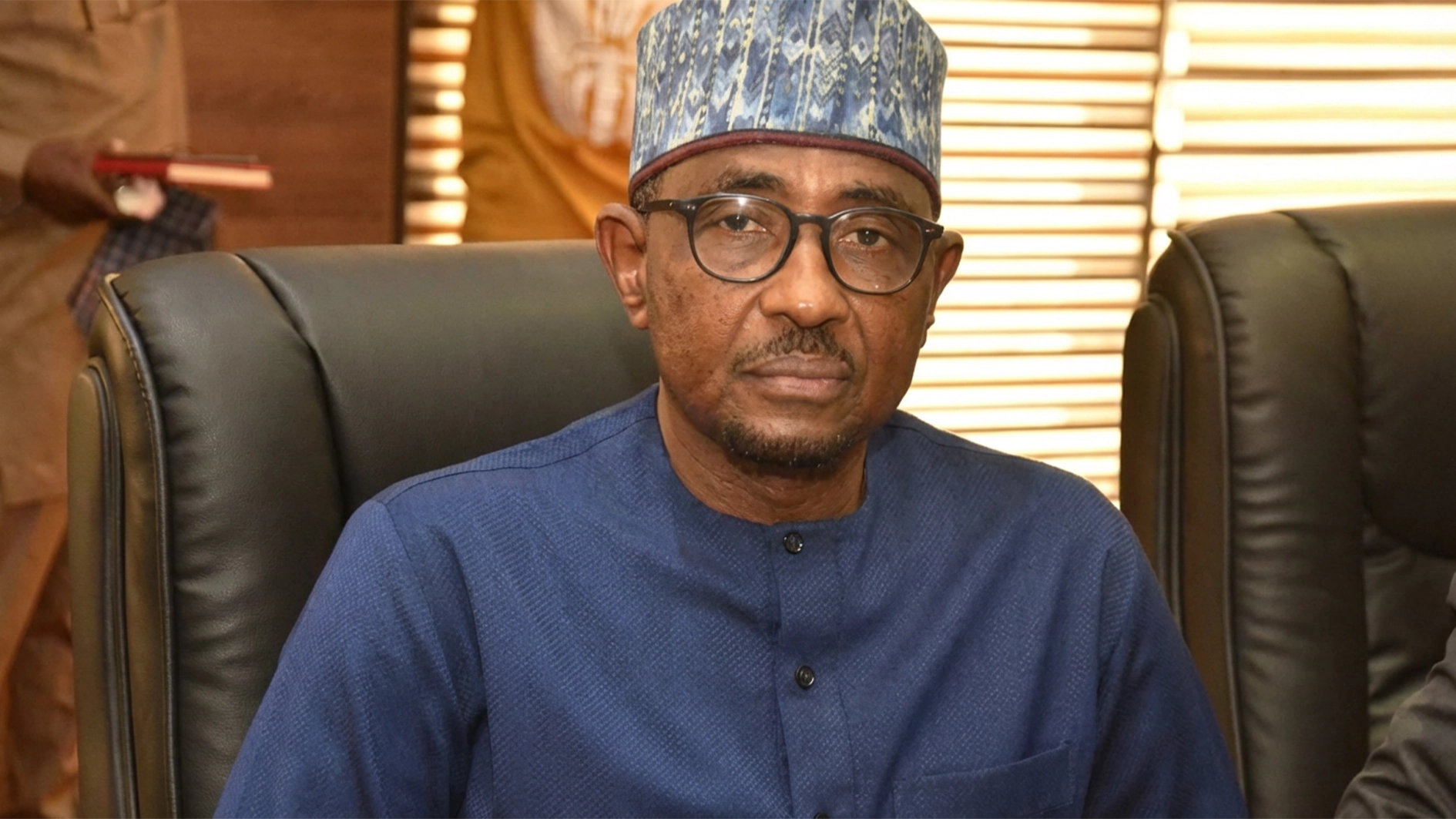
The Independent Corrupt Practices and Other Related Offences Commission (ICPC) is set to open an investigation into the allegations made against the Chief Executive of the Nigerian Midstream and Downstream Petroleum Regulatory Authority (NMDPRA), Farouk Ahmed by President of the Dangote Group, Alhaji Aliko Dangote.
Dangote had accused Ahmed of corruption during a press conference held on Sunday in Lagos, with the billionaire businessman also claiming that the NMDPRA CEO spent about $5 million on the secondary school education of his four children in Switzerland, which exceeds his official income.
Speaking further, he said that the NMDPRA boss’ expenditure was difficult to reconcile with earnings from public service. As such, Dangote called for tax authority scrutiny amid broader refinery sabotage allegations, while Africa’s richest man, on Tuesday doubled down on his allegations of graft and economic sabotage, dragging Ahmed before the ICPC.
Also on Tuesday, the anti-corruption agency confirmed that it received a formal petition from the President of Dangote Industries Limited (DIL) through his lawyer against Ahmed over the alleged payment of $7 million as school fees for his children in a foreign educational institution.
“The ICPC wishes to state that the petition will be duly investigated,” a statement by the commission’s spokesman, John Odey, confirmed.
“That Farouk Ahmed spent without evidence of lawful means of income a humongous amount of money of over 7 million dollars of public funds for the education of his four children in different schools in Switzerland for a period of six years upfront,” the petition read in part.

To buttress his allegations Dangote gave the names of the four children, the Swiss schools they attend, the amount paid for each of them, to the ICPC for verification and confirmation.
“It is without doubt that the above facts in relation to abuse of office, breach of the Code of Conduct for public officers, corrupt enrichment and embezzlement are gross acts of corrupt practices for which your Commission is statutorily empowered under Section 19 of the ICPC Act to investigate and prosecute,” Dangote said.
According to Dangote, Ahmed has corruptly enriched himself with tax payersmoney meant for public consumption and diverted them into private uses.
He argued: “Any public officer who uses his office or position to gratify or confer any corrupt or unfair advantage upon himself or any relation or associate of the public officer or any other public officer shall be guilty of an offence and shall on conviction be liable to imprisonment for five years without option of fine”.
In the same vein, the House of Representatives has resolved to probe the NMDPRA boss over the issue of payment of the millions of dollars in tuition fees for his children abroad as well as the indiscriminate issuance of importation licenses for petrol despite availability of the product locally.
The resolution of the House was sequel to the adoption of a motion moved at the plenary on by Midala Usman, who explained that Section 88 (1) and (2) of the Constitution empowers the National Assembly to conduct investigations into the activities of any authority executing or administering laws made by the National Assembly.
Usman added that Section 29 (3) of the Petroleum Industry Act 2021 provides that NMDPRA shall be responsible for the technical and commercial regulation of the midstream and downstream petroleum operations in the petroleum industry.
According to the lawmaker, the House was aware of the dispute between the NMDPRA and Dangote Refinery over alleged arbitrary grant of importation licenses, allegation of corruption against Ahmed and other sundry issues.
“If the brewing dispute between the NMDPRA and Dangote Refinery is not nipped in the bud, it is likely to escalate and thus lead to fuel supply crisis during the Yuletide season and beyond,” Usman said.
“The Dangote Refinery represents a strategic national investment poised to end Nigeria’s historical dependence on imported petrol, conserve foreign exchange, stabilise domestic supply, and moderate fuel pricing in the long term.
“As such, unresolved regulatory disagreements between a statutory regulator and the country’s largest domestic refinery pose a real risk of supply chain disruption, pricing volatility, policy inconsistency, and erosion of investor confidence in Nigeria’s petroleum sector.”
Speaking further, Usman lamented that the absence of a clearly articulated, transparent, and consistently applied petrol pricing framework creates room for arbitrary determinations, and market distortions to the detriment of Nigerian consumers.
In his argument, he said that Nigerians continue to experience frequent petrol price fluctuations without adequate public disclosure of: Refinery gantry prices; regulatory pricing assumptions, cost and margin components, and the comparative impact of local refining versus import-based pricing.
“Energy security, downstream stability, and consumer protection cannot be achieved where regulatory uncertainty and pricing opacity persist,” said Usman, stressing that urgent legislative investigation is required to clarify regulatory boundaries, harmonise pricing expectations, and restore confidence in Nigeria’s downstream petroleum governance architecture.
The House, thereafter, issued a mandate to the Committees on Petroleum Resources (Midstream) and (Downstream) to investigate the root causes of the dispute and report within four weeks for further legislative action.

