 Follow Us on Google News
 Follow Us on Google Discover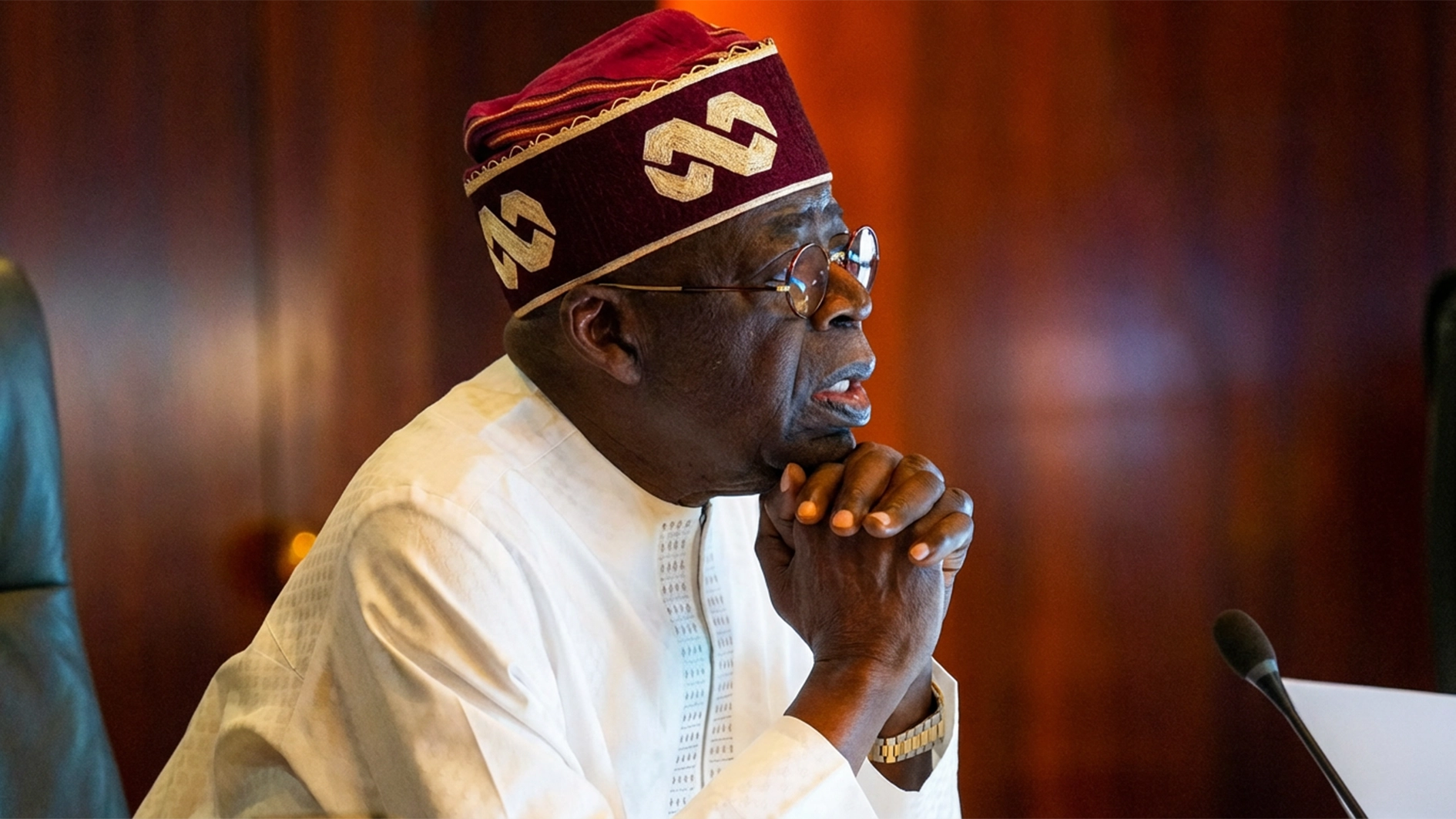
President Bola Ahmed Tinubu has been called upon to wade into the issue linking the Chief Executive Officer of the Nigerian Midstream and Downstream Petroleum Regulatory Authority (NMDPRA), Engr. Farouk Ahmed, to the reported payment of $5 million in secondary school tuition fees for his children.
The civil society organisations under the umbrella of the Empowerment for Unemployed Youth Initiative (EUYI) behind the call enjoined President Tinubu to allow anti-corruption agencies, particularly the Economic and Financial Crimes Commission (EFCC), to review the claim and determine its veracity.
Convener of the group, Comrade Momoh Prince, at a press conference held on Tuesday in Abuja, stressed that public confidence in governance depends on openness and accountability.
According to the group, the demand follows a recent public claim attributed to industrialist Alhaji Aliko Dangote, which raised questions about the source of funds reportedly used for the education of the NMDPRA boss’s children.
The civil society organisations said the allegation had generated widespread public concern and warranted clarification by the appropriate authorities.
“We are not here to try or condemn anyone,” he said. “However, given the seriousness of the allegation and the public office involved, we believe it is in the best interest of the country for the relevant authorities to investigate the matter thoroughly and independently.”

EUYI noted that the allegation has attracted strong reactions because of Nigeria’s prevailing economic challenges, especially in the education sector. The group said millions of Nigerian children remain out of school, while many families struggle to meet basic educational expenses.
“In a country facing serious socio-economic pressures, any claim involving large sums of money by a public official naturally raises questions,” Comrade Momoh Prince said. “That is why we believe a transparent investigation will help clear doubts and reassure the public.”
The coalition further argued that addressing such allegations promptly would help strengthen Nigeria’s anti-corruption framework and reinforce public trust in government institutions.
They emphasised that investigations, if conducted, should be guided strictly by facts, evidence and the rule of law.
The civil society groups also cautioned against politicising the issue, noting that allegations of corruption should neither be ignored nor exploited for partisan purposes.
While expressing confidence in the capacity of the government to handle the issue responsibly, the group appealed for timely action to prevent unnecessary speculation and tension in the polity.

