 Follow Us on Google News
 Follow Us on Google Discover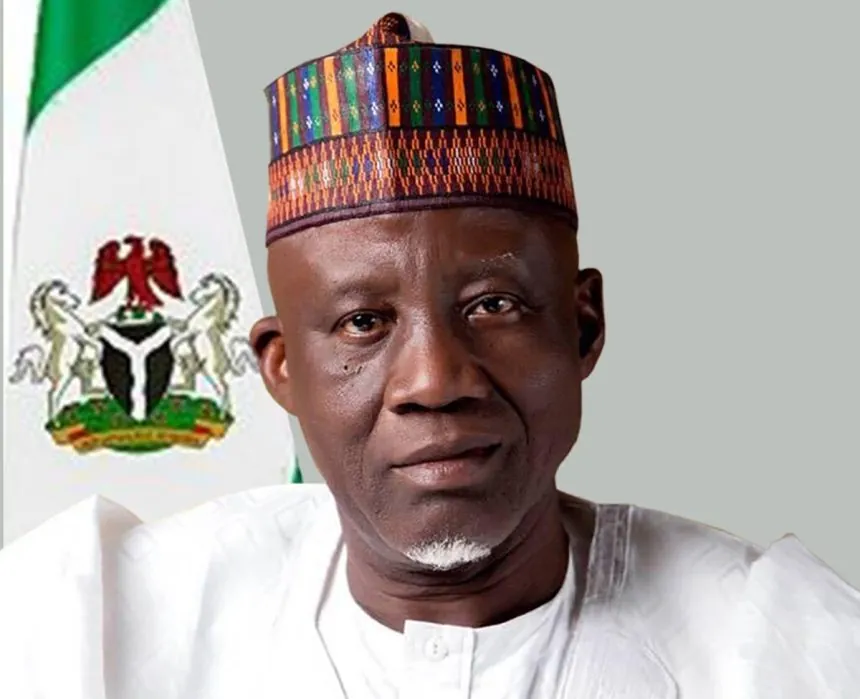
The Minister of Labour and Employment, Dr Mohammed Dingyadi, has said that Nigeria’s economic growth and national development depend largely on industrial harmony and sustained cooperation between workers and employers.
Speaking in Abuja at the 8th annual Registrar of Trade Unions workshop with the theme, ‘One Workplace, One Vision: Harmonising Interests for Industrial Peace and Sustainable Growth’, Dingyadi said the workplace must be viewed as a platform for collaboration and shared purpose rather than a theatre of conflict.
According to the minister, sustainable productivity and long-term economic progress can only be achieved through mutual respect, open dialogue, and constructive engagement between labour and management.
He noted that the objectives of the workshop include promoting open communication between labour and employers, building awareness of shared workplace goals that transcend individual interests, identifying and resolving potential sources of conflict before they escalate, and developing strategies that support both employee welfare and organisational growth.
Dingyadi said Nigeria’s economy is at a critical juncture, facing global economic uncertainties, technological disruptions, and evolving labour dynamics, stressing that trade unions remain indispensable partners in shaping fair, inclusive, and productive workplaces.
He urged labour leaders, employers, and regulators to work towards institutionalising industrial peace, noting that harmonised workplace relations are essential to boosting productivity and sustaining national growth.

Earlier, the Permanent Secretary, Ministry of Labour and Employment, Dr Salihu Usman, described the workshop as an important platform for strengthening labour-management relations and deepening dialogue among stakeholders.
Usman said the forum would help identify and address potential sources of workplace conflict while building trust and collaboration, which he described as essential to industrial peace and economic stability.
He added that the initiative would further equip stakeholders with practical tools for conflict resolution and reposition Nigeria’s workforce as a critical driver of national development.

