 Follow Us on Google News
 Follow Us on Google Discover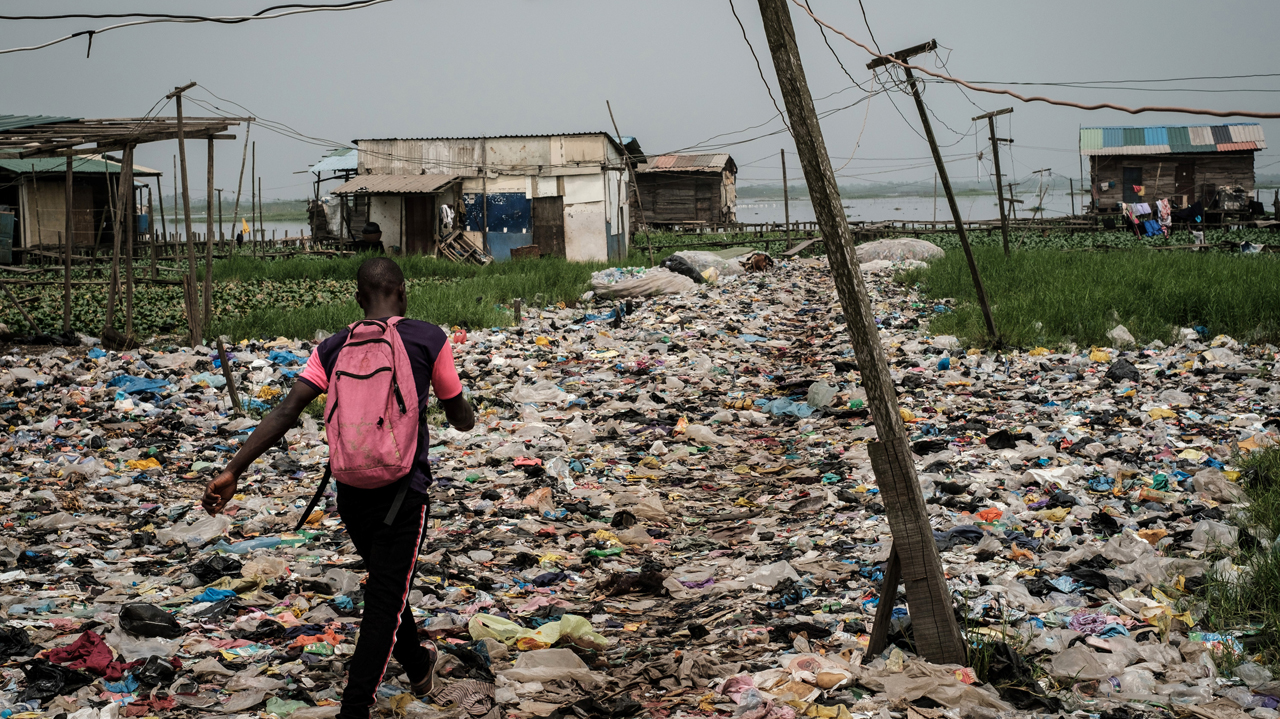
Lagos is struggling under the weight of its own refuse. From Surulere to Ikorodu, Alimosho to Kosofe, Mushin to Agege, Itire to Oshodi, the piles of waste keep rising across the city, and residents fear that an avoidable health disaster is looming. Major roads, streets and junctions are littered with waste, drains blocked, with the smell from rotting garbage permeating many neighbourhoods.
The indiscriminate dumping of refuse has worsened, just as irregular collection by waste operators has turned what was once an occasional problem into a constant crisis. Along the Apapa-Oshodi Expressway, there are pileups of wastes at different locations and bus stops. From Cele to Ijesha, to Sanya, Coker, Second Rainbow and Mile 2, there are varied sizes of heaps of waste. Yet, along this corridor, there are often cart pushers moving in group of four to seven taking waste to the illegal dumpsite within the Signal Barrack. Residents note that heaps of trash have become so common that they’re almost everywhere you turn in Lagos.
At Ijesha in Surulere, Samuel Oluwshola is used to seeing refuse on the roads. “You will find refuse on the road median every time,” he said. “Even if LAWMA clears it, two days later, people start dumping again.” He fears for children exposed daily to the unhealthy environment. “Dirty surroundings affect our health. And health care in Nigeria is expensive.”
In Ikorodu, the situation is similar. At Ikorodu garage, right beside the BRT terminal, a heap of waste had grown so large it became a landmark before being cleared. Abosede Aremu, a resident of Ikorodu, initially thought it was temporary, but three weeks later, it remained. She added that waste collectors rarely enter the streets, forcing residents to dump waste wherever they can. “It’s not rocket science. People dump on the road because nobody is coming to collect it.”
Ayomide Balogun, who lives in Igbogbo, Ikorodu, says he has not seen a LAWMA truck since moving there in 2021. Informal waste collectors now service large parts of the community, but because they are unregulated, residents fear the refuse ends up in canals, bushes, or main roads. The Ikorodu garbage, this week, was, however cleared.
The Guardian observed that across Mushin, Ikotun, Agege, Itire, Okota, Oshodi, Ojota, Ikorodu, Abule Egba, Berger, and beyond, wastes are scattered on roadsides; drains are poorly maintained, dumpsites overflow, and indiscriminate disposal is everywhere.

For instance, the waste deposit container at Oshodi market, Iyana-Iba overflowed, spilling onto the expressway, forcing traders and road users to keep up with foul odours. In Abule Egba, a densely populated area, Mrs. Mariam Ojoade lamented the worsening situation. “Children are falling sick by the day. You can see rashes and other infections on their skin. The worst part is, we keep reporting it, but nothing is done,” she said.
Tunde Idris, a commercial tricycle rider in Ikotun, noted: “Sometimes, we have to cover our noses while driving through some streets. You can see people throwing waste straight from upstairs into the gutter. It’s that bad.” Visits to Oko-Oba Road and Abule Egba Bus Stop show waste bins either overflowing or absent, while gutters remain clogged, heightening flood risks during rains.
Beyond indiscriminate dumping, many houses lacking septic tanks discharge wastewater directly into drains. Toyin Idris, a mechanic in Abule-Egba, said a bungalow near her residence has been discharging bathing water and other wastes into the street for over a year. Although some tenants reported the issue to environmental health officers at the Agbado-Oke Odo Local Council Development Area (LCDA), action was slow and inconsistent.
Public health specialists warn of serious risks. Dr Adebayo Akintayo said decaying organic waste attracts flies, rodents, and other vectors, serving as vehicles for bacteria and infectious agents. “Once the rains return, the danger intensifies. Runoff carries waste into water channels. Contaminated wastewater can contain toxins and heavy metals harmful to humans,” he said. Diseases such as cholera, typhoid, food poisoning, and other waterborne infections become more likely. Rodent-infested dumps increase the risk of Lassa fever, while stagnant wastewater breeds insects capable of spreading malaria, Zika, and dengue fever.
The risks extend beyond infections. Akintayo noted that gases from decomposing waste worsen air quality in a city already burdened by generator fumes and traffic emissions. “All those offensive gases contaminate the air and contribute to poor air quality,” he said, adding that some also increase greenhouse gas emissions, worsening environmental degradation.
Residents’ adaptive strategies, such as burning waste at night, exacerbate the problem, releasing toxic smoke that further pollutes the city. Mechanics repair cars beside refuse heaps, traders fry food near dumps, and children walk to school through narrow paths carved between waste piles.
The governance gaps are evident. Akintayo recalled a PSP operator at Ramat Crescent, Ogudu, who blocked an access road and had workers sorting decaying waste with their bare hands, discharging foul wastewater into the environment. Weak enforcement, poor compliance monitoring, and a lack of training for waste operators continue to hamper waste management.
Akintayo recommends urgent action, saying Lagos must restore basic Health, Safety, and Environment (HSE) standards through community-led initiatives. Localised HSE committees should be strengthened to conduct routine checks, escalate violations, and maintain communication with environmental health officers. Periodic audits involving community representatives and government agencies would help track compliance and sanction repeat offenders.
When The Guardian contacted the Lagos State Commissioner for Environment and Water Resources, Tokunbo Wahab, on the issue, he directed the reporter to speak with the Managing Director/CEO of LAWMA, Dr. Muyiwa Gbadegesin. But all calls put across to this line of the Gbadegesin were not picked.
During the week, Wahab claimed that waste accumulation in parts of the state is largely due to the ongoing decommissioning of the Olusosun landfill, which has forced a major shift in refuse disposal logistics. Yet the state government for more than five years now have been talking about shutting Olusosun dumpsite.
A resident, Akeem Odugbesan, stated that it is just government failing in its duties that are responsible for the heap of waste around town, noting that the government is only looking for an excuse to justify its failure. Wahab has been demolishing buildings with reckless abandonment over flood management yet waste management has not fared better under him.
“If it was a private sector company that is managing the dumpsites, I wonder the grandstanding that the commissioner would have been putting up, slamming all kind of fines on the company and pushing out all kinds of threat. Yet, politics is why many of the poor PSP operators are still retained though the state government may claim it sacked some recently. Move around many locations, cart pushers are still greatly in business despite government banning them, because the PSP operators have not been coming to pick on waste regularly. Why are the cart pushers still in business? It is because the residents see them as better alternative to PSP operators, who are irregular in waste collection. They will not come weekly or twice in a month and nobody knows the day they will show up and we cannot be carrying dustbin drum in and out anticipating the day the PSP operators will show up.”

