 Follow Us on Google News
 Follow Us on Google Discover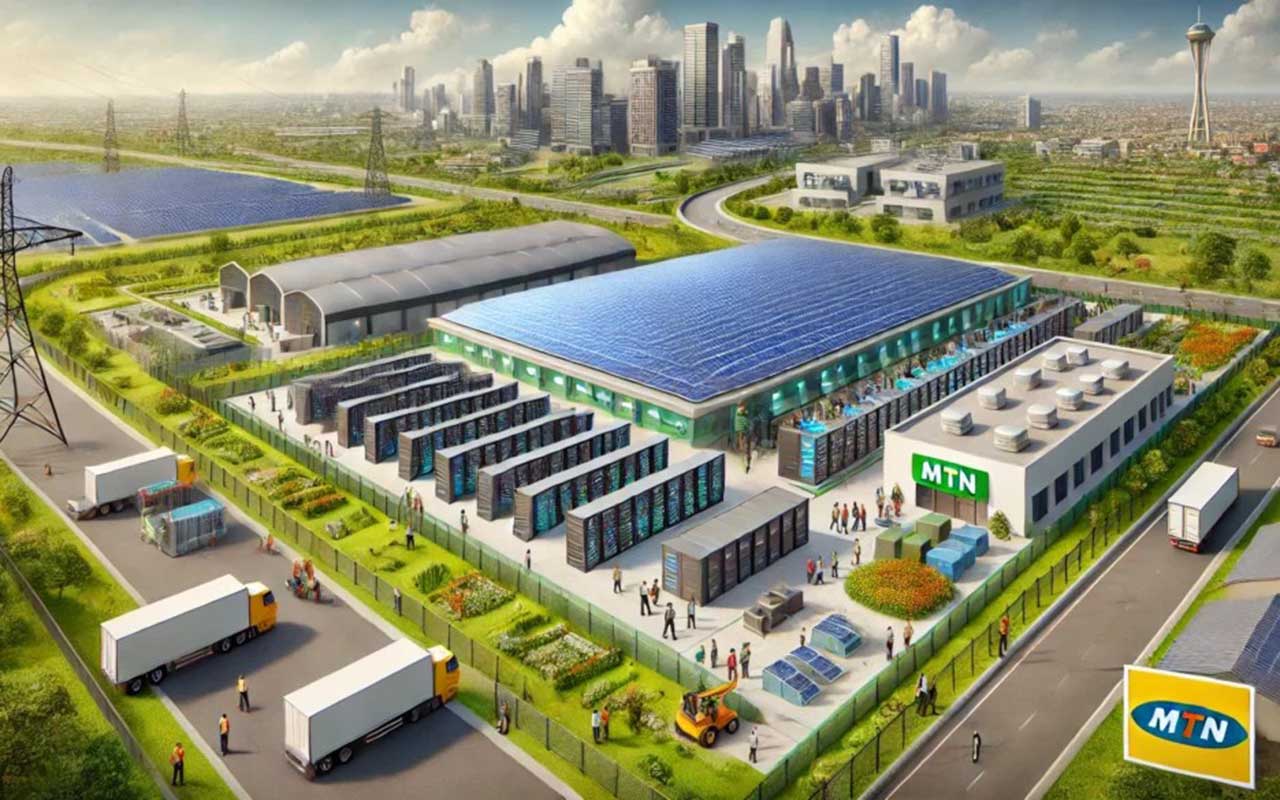
The data centre segment has emerged as the fastest-growing asset class in Nigeria’s construction industry, with a development pipeline equivalent to 186.37 per cent of existing stock and total supply projected to exceed 218 megawatts (MW) by 2030, according to a new report by African real estate market intelligence platform, Estate Intel.
The report, titled “Lagos Real Estate Development Pipeline Report,” revealed that Nigeria’s data centre capacity is expected to grow from 56.1MW in 2025 to more than 218MW by 2030—representing over a 3.7-fold increase. This growth is being driven by rising interest from major global players such as Equinix, OADC and Digital Realty, reinforcing the sector’s strong development trajectory.
Estate Intel noted that as Nigeria transitions towards economic recovery, development starts and pipeline activity across multiple property sectors are accelerating at a notably faster pace.
In the residential sector, the report painted a similarly positive but nuanced picture. Despite an active development pipeline of about 34,800 housing units, Nigeria still faces an estimated housing deficit of more than 2.7 million units.
“While this supply gap presents opportunities for developers, particularly in the middle-income and deluxe-grade segments, many developers are increasingly shifting focus to the luxury market, where profit margins are more resilient to economic shocks,” the report stated.
During the year, residential rents increased as owners of middle-income and deluxe-grade properties adjusted prices upward to offset the impact of currency devaluation. Although this resulted in some tenant turnover, the persistent supply gap ensured rapid reoccupation at new rental levels, keeping net absorption high.
The report highlighted that residential developers are increasingly concentrating on luxury housing to protect margins amid rising construction costs and macroeconomic pressures. According to Estate Intel, sale prices of three-bedroom apartments in prime locations such as Ikoyi, Victoria Island, Ikeja and Lekki Phase 1 have risen by between 38 and 60 per cent annually over the past five years.
“Prices in middle-income areas, including Yaba, Ajah, Sangotedo and the Lekki corridor, are rising more moderately but continue to show strong growth due to undersupply, urban expansion and proximity to major infrastructure projects,” the report added.
Estate Intel also identified signs of growth in the hospitality sector, with more than 3,700 hotel rooms expected to be delivered between 2026 and 2029.
However, it noted that an uncertain business environment in recent years has constrained new supply and delayed project completions. The report anticipates a more bullish outlook for hotels as the economy stabilises.
Despite improving building occupancy levels and modest absorption in the office segment, the market remains tenant-led. Office developments, the report said, are largely owner-occupier-driven, with limited speculative construction.
In the retail sector, although Nigeria’s economy is showing signs of recovery, rents in A-grade formal shopping centres are expected to remain largely stable.
The report further observed that prolonged foreign exchange volatility and Nigeria’s relatively shallow, predominantly foreign tenant base have weakened the retail market, with recovery expected to take several years of sustained stability.
Nonetheless, new indigenous retailers such as SINOMART and iFitness have helped fill vacant spaces in malls, including The Palms Lekki, Purple Maryland and Ikoyi Plaza.
It added that these tenants typically negotiate rents below landlords’ targets, with weighted average rents for A-grade retail spaces currently at about $12 per square metre per month for anchor tenants and $44 per square metre for line shops.

