 Follow Us on Google News
 Follow Us on Google Discover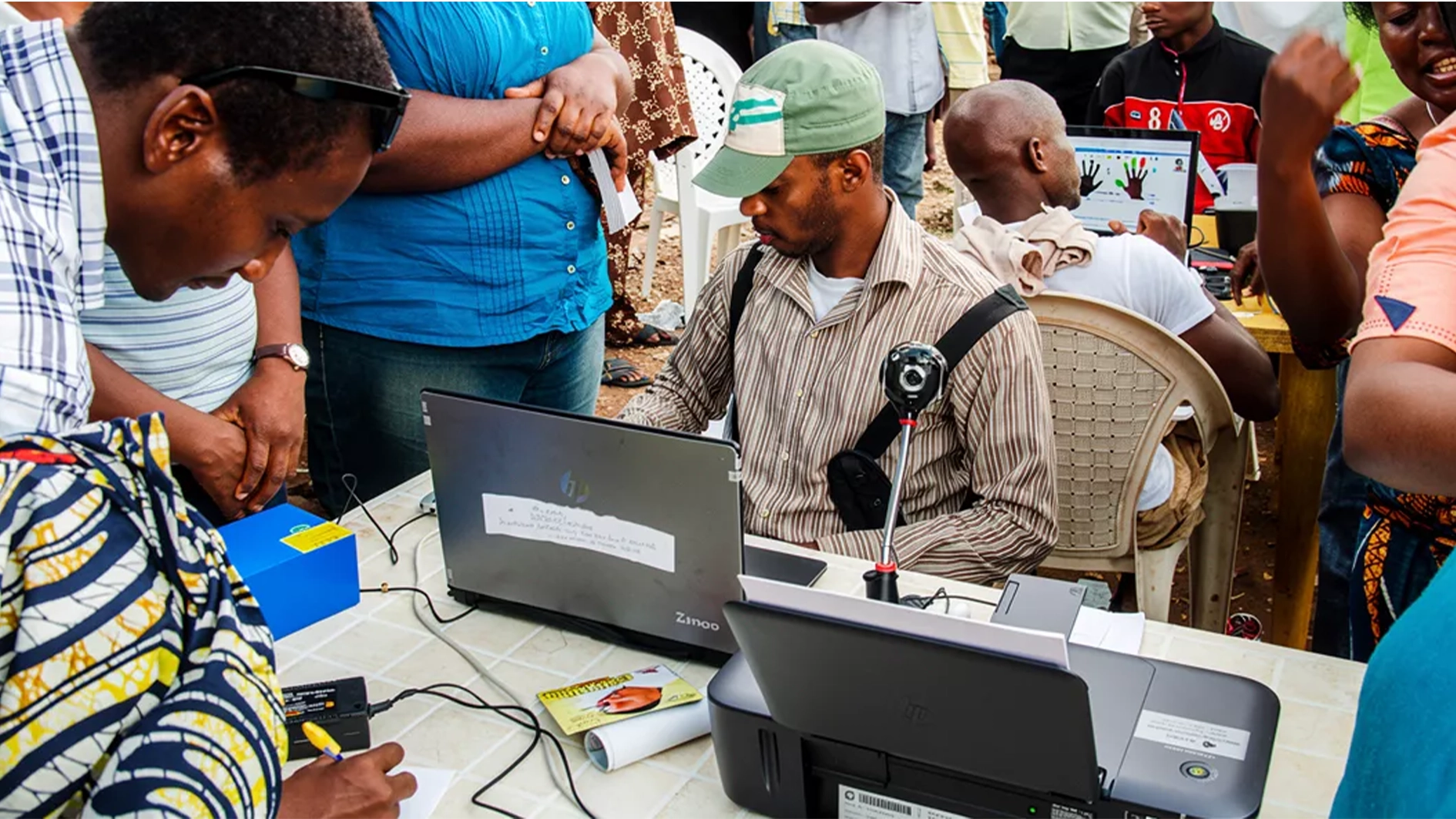
The disclosure that only about 2.5 million Nigerians have completed their voter registration out of an estimated 9.8 million applicants is disturbing, but the figures become even more alarming when set against the backdrop of Nigeria’s young population of over 220 million people.
In a country where democracy is constitutionally upheld as the foundation of governance, such low engagement is not just a technical concern for the electoral umpire; it is a powerful indictment of the political system itself. The problem is no longer about access to registration centres alone. It is about a nation that has steadily lost faith in the promise of democratic governance.
For years, voter apathy has been explained away as indifference or ignorance on the part of citizens. That argument no longer holds. Nigerians are politically aware, vocal on social media, and deeply invested in conversations about leadership and national direction. What has declined is not political consciousness, but confidence. The modest number of people willing to even initiate voter registration reveals a widespread belief that participation in elections has little impact on the quality of governance or the trajectory of the country.
One of the most potent factors behind this disengagement is insecurity. Nigeria is today a country where large sections of the population live under constant threat. Banditry, terrorism, kidnapping and communal violence have turned travel into a dangerous undertaking. In many rural and semi-urban areas, citizens cannot move freely without fear of attack.
Registration centres may exist on paper, but for people who must traverse unsafe roads or forests, the cost of civic participation is simply too high. The irony is glaring; while politicians traverse the country by air, protected by layers of security, ordinary Nigerians are expected to risk their lives to perform a civic duty. Democracy cannot thrive where participation is hazardous.
Beyond physical insecurity lies a deeper psychological barrier: the growing perception that the electoral system itself is ineffective. Many Nigerians believe elections do not reliably reflect the will of the people. Repeated experiences of disputed results, judicial reversals, vote-buying, logistical failures and allegations of manipulation have weakened trust in the process. When citizens conclude that outcomes are predetermined or easily distorted, voter registration becomes an empty ritual. The low completion rate, therefore, is not simply a failure of administration but a reflection of profound scepticism about the integrity and purpose of elections.

Equally significant is the failure of governance to deliver meaningful welfare to the population. Democracy is sustained not only by the right to vote, but by the tangible benefits that follow electoral choices. In Nigeria, millions of citizens struggle daily with unemployment, inflation, collapsing healthcare, poor education and rising hunger. Public services are either absent or inaccessible, while the cost of living continues to erode incomes and dignity. In such circumstances, many Nigerians perceive a limited connection between elections and improvements in their lives. When democracy does not translate into food on the table, safety for families, or hope for children, participation begins to feel futile.
The crisis of child insecurity further compounds this disillusionment. The increasing number of children abducted by kidnappers or forced into exploitative conditions is a national tragedy that speaks volumes about state failure. A society that cannot protect its most vulnerable members sends a clear signal to citizens that governance priorities are misplaced. Parents who live in fear for their children’s safety are unlikely to be motivated by appeals to register for elections when daily survival has become the overriding concern.
Political leadership has also played a central role in deepening public cynicism. Many elected officials are widely perceived as self-serving, disconnected from the realities of ordinary Nigerians, and more concerned with personal comfort than public service. The ostentatious lifestyles of politicians, displayed against a backdrop of widespread poverty, have fuelled resentment and alienation. The promise of democracy has been reduced, in the public imagination, to a pathway for elite enrichment rather than national development. When the dividends of democracy remain invisible, citizens naturally withdraw their emotional and civic investment in the system.
This withdrawal is evident not only in voter registration figures but also in declining voter turnout and rising political apathy, especially among young people. Nigeria’s youth, who constitute a significant portion of the population, are increasingly sceptical of a political order that offers them little opportunity and even less representation. Many feel excluded from decision-making processes dominated by entrenched interests and recycled leadership. Their disengagement poses a long-term threat to democratic sustainability, as a system without youth participation is one without a future.
The implications of persistently low voter registration are grave. Democracy derives legitimacy from broad participation. When only a small fraction of the population registers and votes, governance becomes the preserve of a narrow segment of society. This weakens accountability, entrenches elite dominance, and perpetuates the very failures that drive citizens away from the process. It is a vicious cycle in which poor governance breeds apathy, and apathy enables further poor governance.
Addressing this crisis requires far more than procedural adjustments by the electoral commission. While improving efficiency, extending registration periods and expanding centres are necessary, they are insufficient on their own. The core issue is trust. Nigerians must be convinced that the state exists to serve them, protect them and respond to their aspirations. Security must be restored so citizens can move freely and participate without fear. Electoral reforms must go beyond rhetoric and demonstrably ensure that votes count and outcomes reflect popular will. Governance must deliver visible improvements in welfare, infrastructure, education and healthcare.
Perhaps most importantly, political leadership must undergo a moral reset. Leaders must demonstrate, through actions rather than slogans, that public office is a responsibility, not an entitlement. Accountability, transparency and empathy are not optional virtues; they are prerequisites for restoring public faith. Without credible leadership committed to national interest, voter education campaigns and registration drives will continue to yield disappointing results.
Ultimately, voter registration statistics are not just numbers; they are a mirror reflecting the state of the nation. Today, that mirror shows a society disillusioned with politics, burdened by insecurity, and unconvinced that democracy delivers value. Until Nigeria confronts the deeper failures of governance and leadership, appeals to civic duty will ring hollow. Democracy cannot survive on procedures alone. It survives on trust, legitimacy and results. Rebuilding that trust is the real task before Nigeria, and until it is done, low voter registration will remain a symptom of a much larger national crisis.

