 Follow Us on Google News
 Follow Us on Google Discover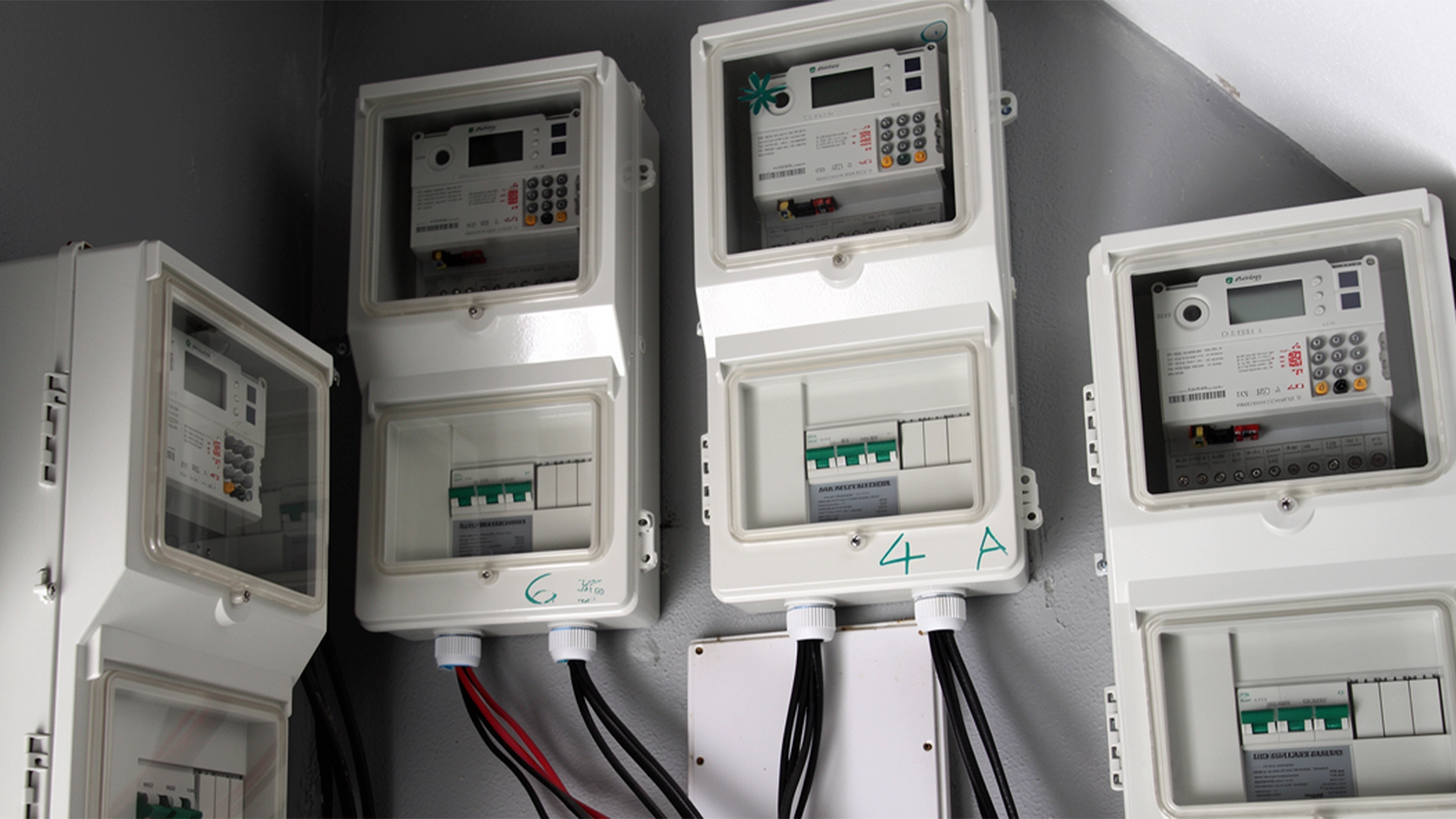
Company says charges linked to wiring separation, not sales
Residents of parts of Calabar have expressed concerns over alleged illegal charges in the ongoing electricity metering exercise by the Port Harcourt Electricity Distribution Company (PHEDC), with several customers claiming they were asked to pay between N30,000 and N45,000 to obtain prepaid meters.
Some residents, who spoke to The Guardian, alleged that while one meter was installed free in multi-tenant compounds, additional meters were offered only upon payment, alongside extra charges for wiring and installation.
A resident of a densely populated compound, who requested anonymity, said his household paid a total of N45,000 to secure an extra meter. According to him, N30,000 was demanded for a new account and meter, while N15,000 was paid for installation.
“They gave us only one free meter for the whole compound, even though we are more than 30 people here. If you want another one, you must pay,” he said, describing the arrangement as unfair.
Similar concerns were raised by Victor, another resident, who said he was told to pay N30,000 to obtain a personal meter after only a limited number were installed in his area. He also complained about the rapid consumption of prepaid units, noting that N8,000 worth of electricity often lasted less than two days.
In State Housing Estate, a shop owner, Etoski Joseph, described the new prepaid metering scheme as a “welcome idea” that has improved electricity supply, but lamented what he described as excessively high tariffs.

“Before, we used to pay between N7,000 and N8,000 monthly under postpaid billing. Now, in just two months of prepaid usage, I have spent over N100,000 buying units. It is killing small businesses,” he said, appealing for a review of electricity tariffs.
Another resident said he did not pay for the meter installation, explaining that he already had the required wiring and only gave what he described as a token of appreciation to the installers.
However, PHEDC has denied claims that customers are required to pay for meters under the current mass metering programme. Speaking with The Guardian, PHEDC Regional Manager, Gabriel Modupe, said the meters being deployed are smart meters designed to support remote monitoring through Supervisory Control and Data Acquisition (SCADA) technology.
“These meters allow us to detect tampering, voltage issues and other faults remotely without visiting the customer’s premises,” he explained.
Modupe stressed that all meters being installed under the ongoing Distribution Sector Reform Programme (DISREP) and the Meter Asset Fund (MAF) are provided free of charge.
“The meters are 100 per cent free. Customers should not pay a kobo for meters, account opening or installation. We have said this repeatedly on radio, during town hall meetings and community engagements,” he said.
Addressing reports of residents paying money, the PHEDC official attributed most cases to wiring separation in multi-tenant buildings, which he said remains the responsibility of landlords or occupants.
“If five flats were using one service line before, they must be properly separated before each can have an individual meter. Some customers chose to pay installers to assist with this separation instead of calling their own electricians. That does not mean the meter itself was sold,” he clarified. Modupe warned PHEDC contractors and staff against extorting customers and urged residents to report any such incidents to PHEDC offices.
“If any installer asks you for money for a meter, refuse and report immediately. We have meters available and any staff found guilty will be sanctioned,” he said.
He assured residents that areas such as State Housing, MCC and other designated feeders in Calabar would be fully metered, urging customers not to panic or make unofficial payments.
Photo: PHEDC

