 Follow Us on Google News
 Follow Us on Google Discover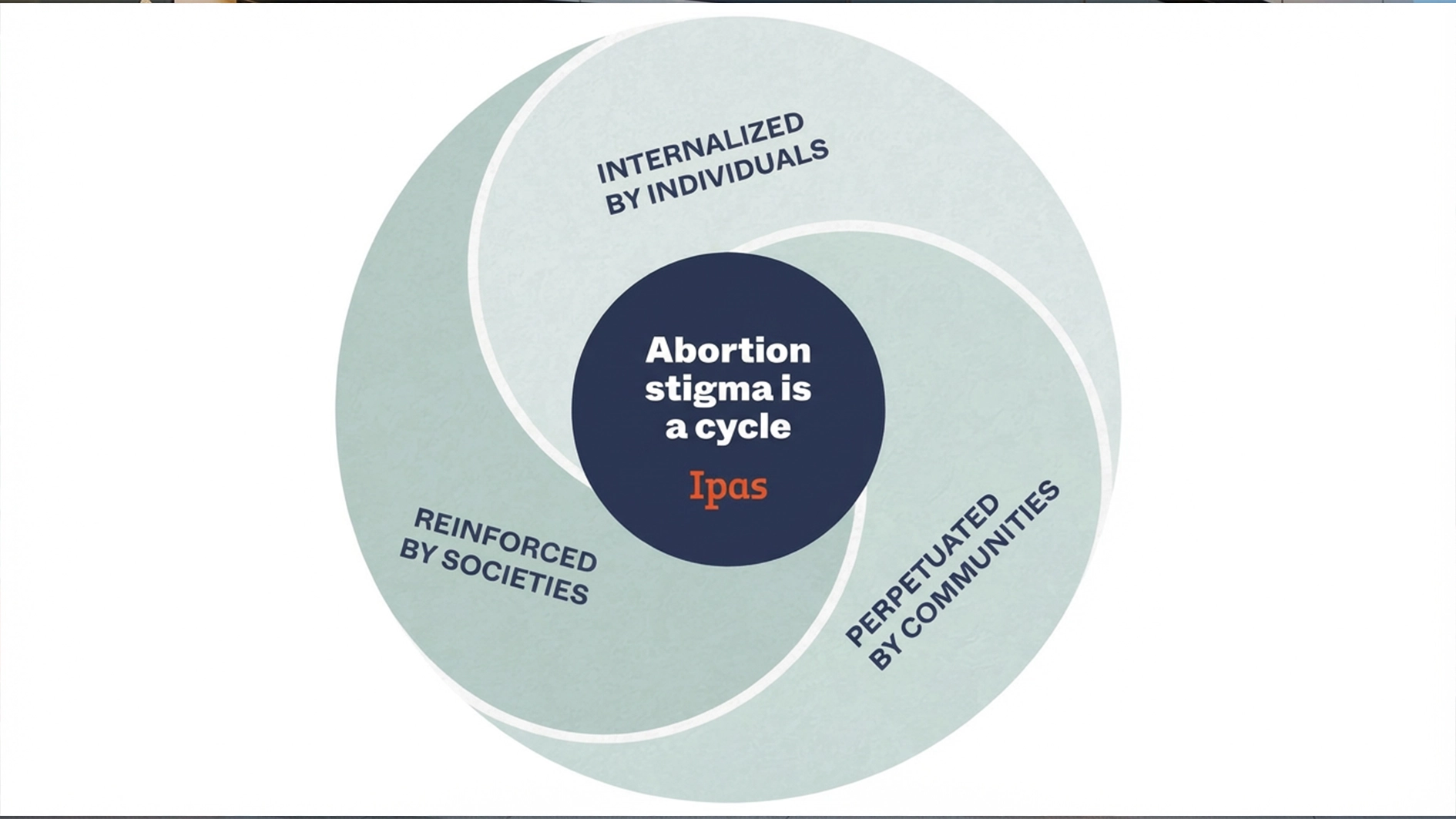
Researchers have highlighted that abortion remains deeply stigmatised, warning that societal attitudes and misconceptions continue to harm women, healthcare providers, and supporters of abortion rights.
According to researchers at the Leadership Initiative for Youth Empowerment (LIFE), stigma around abortion is a social process that discredits individuals associated with the procedure, and it persists across multiple levels of society.
Drawing on an extensive review of social research, they explained that abortion stigma affects not only women who have had abortions but also the medical professionals who provide them, as well as partners, family members, friends, and prochoice advocates. The researchers noted that stigma manifests in complex ways, often compelling individuals to conceal abortion experiences, which can have serious emotional and social consequences.
The group emphasised that abortion is stigmatised for multiple reasons and is often seen as violating culturally defined ideals of womanhood, including notions of nurturing motherhood and sexual purity. They added that attributing personhood to the fetus, reinforced by ultrasound imagery and anti-abortion messaging, contributes to the perception that abortion is morally wrong.
A reproductive health researcher at the University of Ibadan, Dr Ayoade Olatunji, urged Nigeria to shift its approach from moral panic to public health reasoning. He described abortion as a health issue rather than a matter of moral judgment and recommended integrating reproductive rights education into secondary schools and medical training to promote informed and compassionate care.
LIFE said, abortion continues to be viewed as dirty or unhealthy due to historical associations with unsafe procedures, despite evidence that modern abortion is a safe medical practice. They noted that legal restrictions not only limit access but also reinforce societal stigma.

Also, a reproductive health lawyer with the group, Funmi Adeyemi, observed that Nigeria’s abortion law, which is based on colonial-era penal codes, remains both restrictive and ambiguous. She explained that while abortion is legally allowed to save a woman’s life, the law does not clearly define what constitutes a life-threatening condition, leaving women and healthcare providers exposed to legal risk.
In response to these challenges, LIFE called for concerted strategies to reduce stigma and improve access to reproductive care. They recommended normalising abortion in public discourse, supporting women and providers through advocacy and safe spaces, and engaging popular media to portray abortion as a common and legitimate health procedure.
Adeyemi emphasised the need for legal reform that aligns with medical realities and human rights, noting that fear of prosecution should not come between a woman and her doctor.
The group also stressed the importance of language within the prochoice community, advising against framing abortions as “good” or “bad,” which can inadvertently perpetuate stigma.
Additionally, they advocated for expanded training and research initiatives such as the Family Planning Fellowship and the Society of Family Planning as vital in integrating abortion care into mainstream medicine and countering stigma among healthcare professionals.
They also underscored the need for further research to understand how stigma affects women, providers, and supporters, and how it influences access to care, mental health, and social outcomes.
The LIFE team concluded that addressing abortion stigma is not only essential for the well-being of women and providers but also for advancing equitable reproductive healthcare and social justice. They urged policymakers, healthcare institutions.

