 Follow Us on Google News


 Follow Us on Google Discover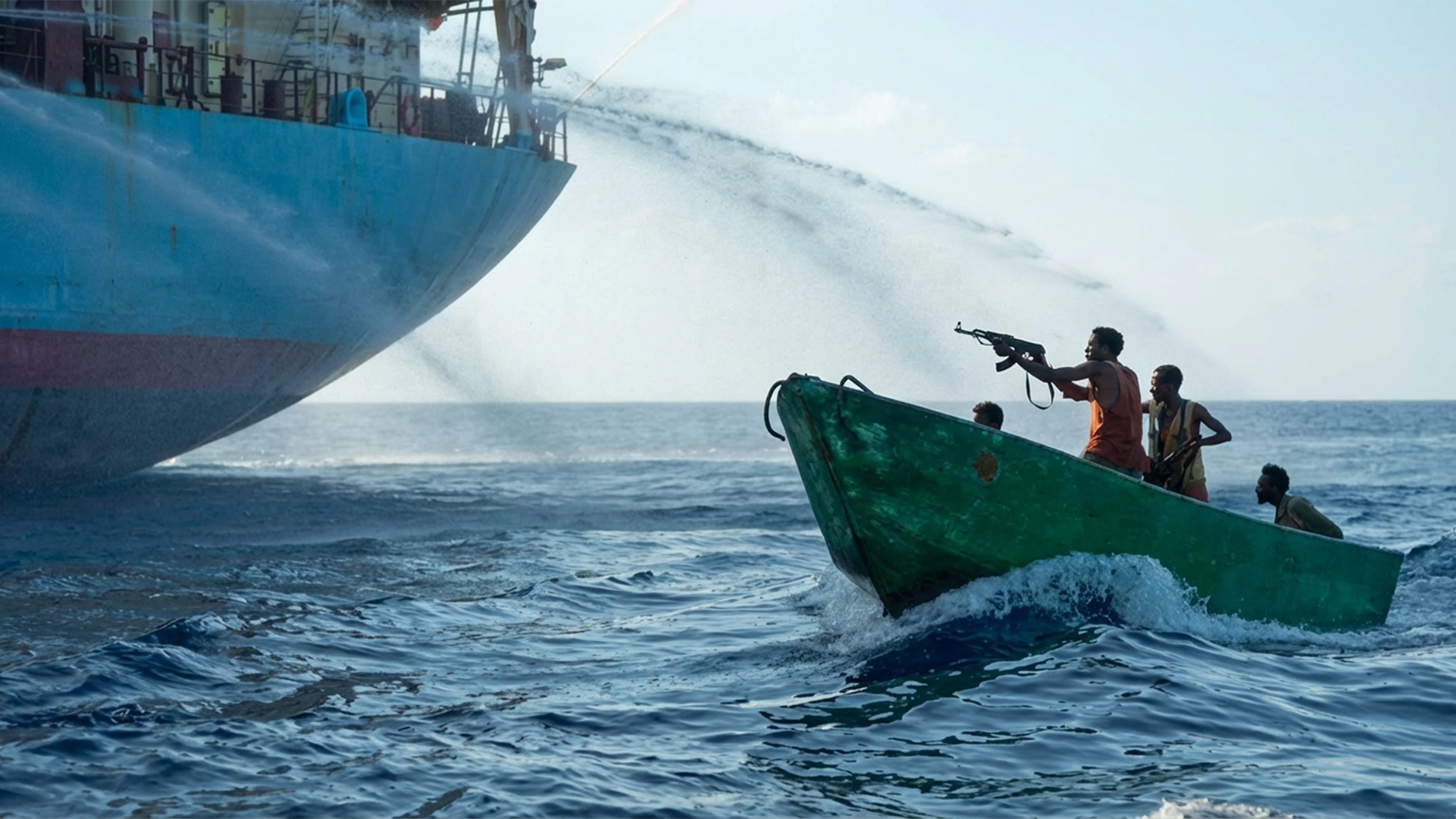
The ICC International Maritime Bureau (IMB) reported an 18.1 per cent increase in global maritime incidents, including piracy and armed robbery, in 2025 across the Gulf of Guinea, the Singapore Straits, the Indonesian archipelago and the Somali coast.
According to the IMB’s Annual Piracy and Armed Robbery Report, 137 incidents against vessels were recorded in the year, compared with 116 in 2024, 120 in 2023, 115 in 2022 and 132 in 2021.
The report, released yesterday, also revealed that 121 vessels were boarded, four were hijacked, two were fired upon and 10 attempted attacks were recorded.
Also, violence against crew continued with 46 crew members taken hostage in 2025, compared to 126 in 2024 and 73 in 2023.
The report further revealed that 25 crew were reported kidnapped, compared to 12 in 2024 and 14 in 2023, with another 10 crew were threatened, four injured and three assaulted in 2025.
IMB said the reported use of guns continues to rise, with 42 incidents reported in 2025, compared to 26 in 2024, while the use of knives was reported in 33 incidents compared to 39 incidents in 2024.

On the regional level, the IMB report stated that the Gulf of Guinea saw an increase in piracy incidents, with 21 cases reported compared with 18 in 2024 and 22 in 2023.
Also, the region accounted for the kidnapping of 23 crew in four separate incidents, along with three hostages and one injured crew member in 2025.
IMB noted that while the year saw a restricted piracy activity due to efforts of the Gulf of Guinea authorities, efforts to curb incidents require further coordination and strengthening to reduce violence against crew members, said the report.
The IMB report revealed that the Singapore Straits recorded the highest number of reported incidents in 2025, with 80 compared to 43 in 2024, which accounts for 58 per cent of the globally reported incidents of 2025.
According to IMB, the reported incidents in the Singapore Straits saw an increase in the carriage of guns, with 27 reports in 2025 compared to eight in 2024, while 14 crew were taken hostage, eight threatened, three injured and one assaulted.
IMB reports also saw a significant decline in the number of incidents in these waters in the second half of 2025, after the Indonesian Marine Police apprehended two gangs in July 2025.
IMB further revealed that incidents reported within the Indonesian archipelago showed a decrease from 18 and 22 in 2023 and 2024, respectively, to 12 in 2025, with two crew members taken hostage, one threatened in separate incidents and three knife incidents reported.
IMB reported that the strong deterrent effect of sustained naval presence, supported by vessel hardening and the use of best management practices, influenced the decrease in the number of incidents reported off the Somali coast in 2025, with just two incidents in November, far from shore.
The IMB Piracy Reporting Centre (PRC) expressed concern about late reporting from countries and vessel crews, given that timely reporting supports preventive action and contributes directly to the safety of other vessels in the vicinity.
The IMB Director, Michael Howlett, said the reported incidents off the Somali coast highlight the ongoing importance of a sustained naval presence in these trade-critical waters.
He commended the Gulf of Guinea authorities for the steps taken to reduce reported incidents, while recognising that crew members continue to be affected.
According to him, sustained and strengthened cooperation between regional authorities, navies, international partners and industry remains essential to protect seafarers and safeguard trade.
“Timely reporting is key to preventing further incidents and protecting other vessels in the area. We continue to urge all ships to report incidents promptly, so that risks can be better understood and effective measures taken to protect crews and vessels,” Howlett added.
Also speaking, ICC Secretary General, John Denton, emphasised that maritime trade remains a cornerstone of real economic activity and growth.
He said the rise in reported maritime incidents highlights the importance of protecting seafarers and securing key shipping routes for crew safety, stability of global supply chains and the economies that depend on them.
Denton added that ensuring safe passage at sea requires sustained cooperation, with regional and international partners working together to safeguard maritime commerce.

