 Follow Us on Google News


 Follow Us on Google Discover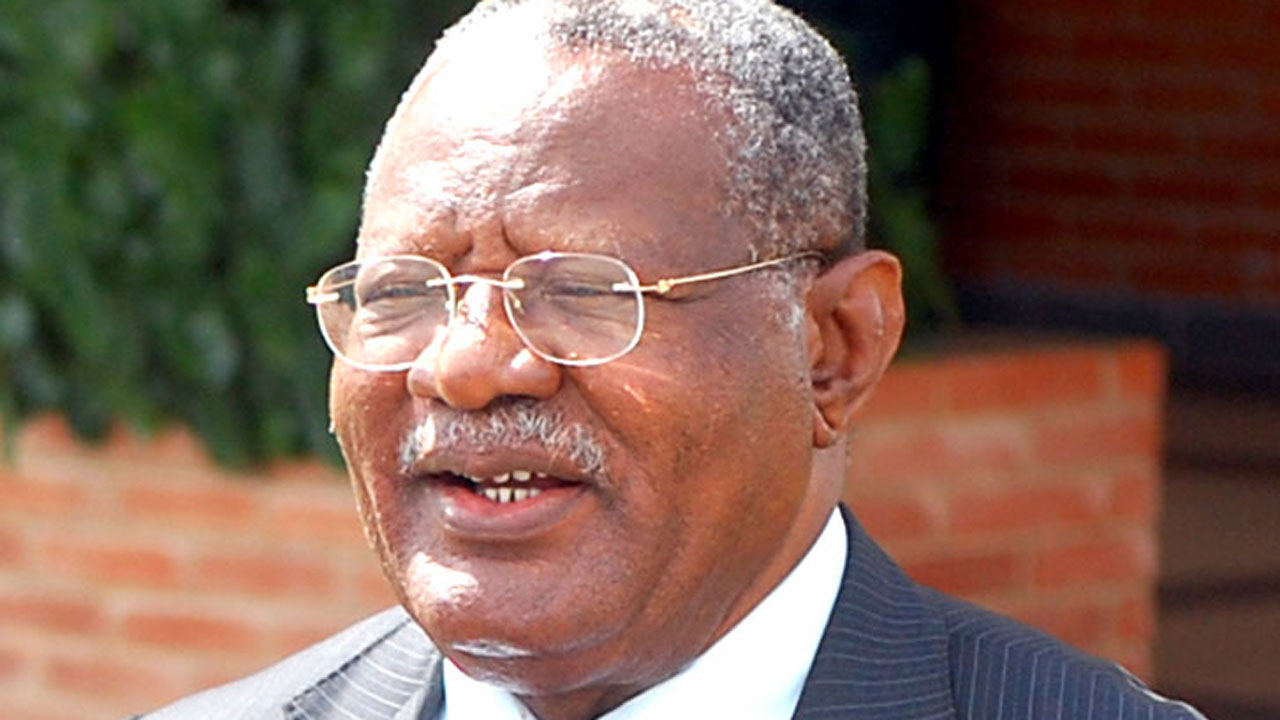
Sir Steve Omojafor, founder of STB-Macainn, a foremost advertising agency, recently turned 80. In this interview with IYABO LAWAL, the renowned marketing communication guru, reflects on his remarkable life and career in advertising, sharing stories of his early days as a reporter at the Daily Times, his transition to advertising, and his experiences as a pioneer in the industry, and the secret behind his longevity, among others.
What inspired you to pursue a career in journalism?
I grew up with a passion for writing, and I used to write letters to the editor of local newspapers as a teenager. My principal at St. Gregory’s College even warned me that I was writing too much about the college, but I couldn’t help myself. I studied mass communication at university, and it was a natural fit for me. I remember writing about social issues and current events, and I was always eager to learn more. My lecturers encouraged me to pursue a career in journalism, and I was fortunate to land a job at the Daily Times.
You started your career at the Daily Times, what was it like?
It was an incredible experience. I was a reporter and a sub-editor, and I had the opportunity to work with some of the best journalists in the country. I covered some big stories, including the 1976 declaration that Nigeria would not be ready for civilian rule. It was a thrilling time to be a journalist.
Then, I interviewed a good number of people. There was a Nigerian who came from Iceland. You know, Iceland is a very cold, arctic part of the world. And he was just visiting Nigeria for the very first time since he left from England to live in Iceland.
It was a big story, which I wrote for Sunday Times, and Sam Amuka was extremely grateful.
I also wrote two stories about the burial ground. When they dig the burial site and there was a heavy rainfall, and coffins were floating, you know, going down the water. And that was a big story for me.
I also interviewed a guy we called Sunny Gbokugboku. I’m not sure a lot of us were born. Sunny was the one that would pick up a dead body and treat it as he liked, get it washed up, cleaned up and everything, put it in a coffin and would roll it straight to the burial ground. So, people thought Sunny gbokugboku was a dead man himself.

Those were the kind of stories I usually did, very human-angle stories that affect people that we know, stories that we can relate to. There wasn’t computer then, or Artificial Intelligence (AI) to get into stories. You physically have to be there and write beautiful stories. Quite a good number of that I did. So, features writing and looking at real strong human-angle stories was probably my forte in those days.
I remember working long hours, chasing stories, and meeting deadlines. But it was a great learning experience, and I was able to develop my skills and build a network of contacts.
What instigated your transition to advertising?
I was at the Daily Times for few years. I didn’t leave because the pay was not good, money wasn’t too much of a problem in those days because our requirements were very few.
But what actually happened was that after my second year, I was going to be moved as assistant editor for one of our publications. And I discovered that there was some politics being played. That’s number one.
Then number two, the General Muritala Mohammed’s takeover of government was something that affected all of us because some members of the senior staff were contacted to see how we could remove Babatunde Jose who was the doyen of journalism in Nigeria. He was chairman of the Daily Times. And when the military government took over, they thought he was too powerful,so they wanted to remove him. Some of us didn’t quite like it, you know.
And the thing drew up into two camps that became so problematic for us. You know, things weren’t going on the way they ought to. I just said to myself, it’s too early to be bogged down by these political shenanigans.
So, I walked across to Lintas Advertising, which was almost on the same street. And a couple of my friends from Akoka were working there. The interview process took so long, but eventually, I got a job. That’s how I quit.
But even while out, I still maintained some columns in Lagos Weekend and then, Evening Times, which was edited by my friend, Amuka Pemu.
Getting a job at Lintas Advertising was a big break for me. I was working with some talented people, and I learned a lot about the industry. I eventually left Lintas to start my own agency, Roosevelt Advertising, with two colleagues. It was a risk, but I was confident in my abilities and I wanted to make a name for myself in the industry.
What were some of the challenges you faced in your career?
Starting a business from scratch was tough, especially in the 1970s. We had to be creative and resourceful to make ends meet. But we were driven by a passion to succeed and make a name for ourselves in the industry. I remember we had to work long hours, often without pay, and we had to be careful with our finances. But it was worth it, because we were building something from the ground up.
What advice would you give to young people starting out in advertising?
Be prepared to take risks and make sacrifices. It’s not an easy industry, but if you’re passionate about it, it can be very rewarding. Also, be willing to learn and adapt to changes in the industry. Don’t be afraid to ask questions, and don’t be afraid to take on new challenges. And always remember to stay true to yourself and your values.
You’ve had a successful career over the years, what are you most proud of?
I’m proud of the fact that I’ve been able to build a successful business and contribute to the growth of the advertising industry in Nigeria.
Another major thing, I got married somewhere along the line, in 1975, I was still in Lintas. My wife and I have been married for over 50 years, and we’ve raised three wonderful children. I’m grateful for their support and love. I’m proud of my family and the values I’ve instilled in them.
When I retired, I didn’t go into businesses all over, because I always grew up with this philosophy that there’s a limit to how much a man needs in his life.
So, when I read today about how people are caught with billions, trillions, I continue wondering because I’ve always said to myself, you sleep on one side of your bed most of the time. Even when your wife is not there, or your husband is not there, you can only sleep on one side. Occasionally, you want to roll over, but you still come back. So, it’s one place at a time. It’s one vehicle at a time; and, even, it’s one house that you need at a time. It’s about contentment, if we have it, this country will be a better place.
You’re 80 now, what’s the secret to your longevity?
I think it’s a combination of hard work, good health, and a strong faith. I’ve always tried to take care of myself and stay active. I’ve also had a supportive family and friends who have helped me along the way. And I’ve always tried to stay positive and focus on the good things in life.
What do you think is the biggest challenge facing the advertising industry today?
The biggest challenge is keeping up with the rapid changes in technology and consumer behaviour. It’s a constantly evolving industry, and agencies need to be agile and innovative to stay ahead of the game. But I think that’s what makes it exciting, and I think the industry will continue to evolve and grow in new and interesting ways.
What message would you like to share with your younger self and new generation youths?
I would say that it’s never too late to start something new and pursue your passion. Don’t be afraid to take risks and try new things. And always remember to stay true to yourself and your values. And don’t forget to give back to the community and support the next generation of professionals.
You’ve had a long and successful career, what are your plans for the future?
Well, I’m still working and still enjoying what I do. I plan to continue to work for as long as I’m able, and to continue to contribute to the industry and the community. And I hope to continue to inspire and mentor young people who are just starting out in their careers.
What do you think is the key to your success?
I think it’s a combination of hard work, determination, and a bit of luck. But I also think it’s about being true to yourself and your values, and always trying to do the right thing.
And I think it’s about surrounding yourself with good people who support and encourage you.
You’ve been recognised for your contributions to the industry, what are some of the awards and honours that you’re most proud of?
Well, I’m proud of the fact that I’ve been recognised by my peers and the industry for my contributions. I’ve received several awards and honours, including the Officer of the Order of the Niger (OON) and the Knight Commander of St. Sylvester. But I’m most proud of the fact that I’ve been able to make a difference in the industry and in the lives of young people who are just starting out.
What advice would you give to young entrepreneurs who are just starting out?
I would say that it’s okay to take risks and try new things. Don’t be afraid to fail, because failure is a part of the learning process.
And always remember to stay true to yourself and your values, and to always try to do the right thing. And don’t be afraid to ask for help and support when you need it.
What do you think is the most important quality for a successful entrepreneur to have?
I think it’s a combination of passion, determination, and resilience. You need to be passionate about what you’re doing, and you need to be determined to succeed. And you need to be able to bounce back from setbacks and failures, and to keep moving forward.
You’ve been involved in several philanthropic efforts, what drives your commitment to giving back?
I believe that it’s our responsibility as successful people to give back to the community and to support the next generation of professionals.
I’ve been fortunate to have had a successful career, and I want to use my resources to make a positive impact in the world. And I believe that education and mentorship are key to unlocking the potential of young people, so I’ve been involved in several initiatives to support education and entrepreneurship.
What do you think is the biggest challenge facing Nigeria today?
I think it’s a combination of corruption, poverty, and lack of infrastructure. We need to address these issues and work towards building a more equitable and prosperous society. And I think it starts with education and empowerment, and with young people who are passionate about making a difference.
What message would you like to share with the people of Nigeria?
I would say that we are a great nation with a lot of potential, and we need to work together to build a better future for ourselves and for our children. We need to focus on education, entrepreneurship, and innovation, and we need to support each other and work together to achieve our goals. And I believe that with hard work, determination, and a bit of luck, we can achieve great things and make Nigeria a better place for all of us.

