 Follow Us on Google News
 Follow Us on Google Discover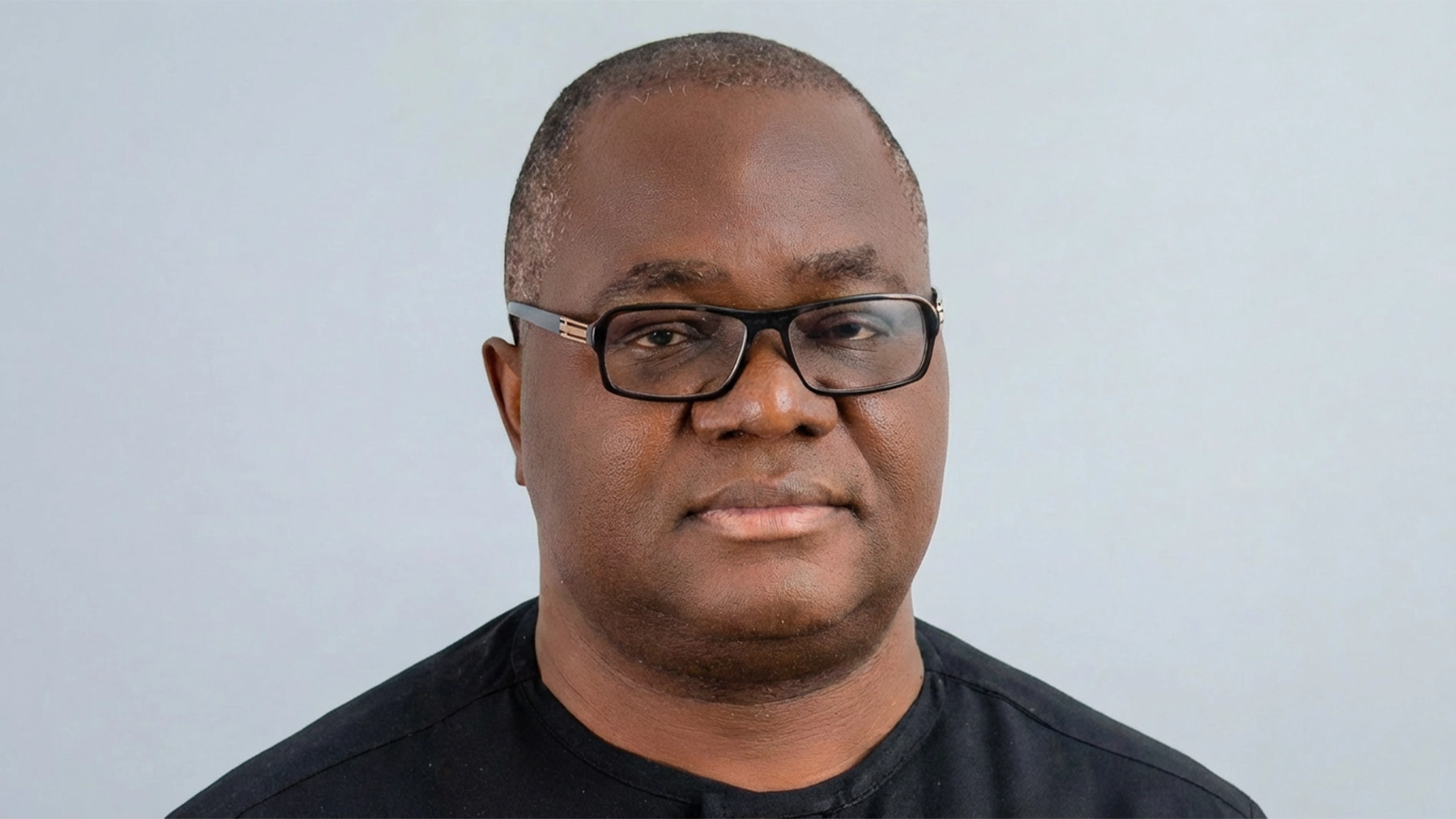
In a representative democracy, a parliament’s primary role is to represent the people’s interests and ensure their voices are heard. Even in crisis times, a parliament isn’t supposed to lose its voice. If it does, the consequences can be dire. The people will suffer, and the very fabric of democracy will be threatened. That is why scholars such as Professor Ben Nwabuezehave always insisted that the legislature is the most important arm of government in a democracy. Which is why when anti-democratic forces strike down democracy, the first institution they want to dissolve is the legislature as other arms, the executive and the judiciary remain functional under any forms of government.
One of the critical roles that define the relevance of the parliament is oversight function in peace and challenging times. The institution ensures that the executive branch doesn’t abuse its power and that the rights of citizens are protected. When a parliament fails to exercise this function, it creates a power vacuum that can be exploited by those in authority.
Many observers and commentators in the media have been raising voices against the legislature at both federal and state levels in recent years. There have been assumptions from offerings and utterances of presiding officers of especially the national assembly that the federal legislature has lost its power to the executive. And there have been conclusions that instead of the classic separation of powers between the executive and the legislature, there is a curious fusion of powers. And there are reasons for that conclusion: in the current 10th Assembly for instance, whatever the president presents to the bicameral legislature sails through without thorough scrutiny. Besides, almost all the president’s nominees including ministerial and ambassadorial ones, have always been cleared by the Senate without rigorous questions. Even the recently completed National Assembly Library has been strangely named after the head of the executive, the President.
Two and half years into the 10th Assembly, there has been no remarkable query raised on any executive bills, and requests for even foreign loans. And people are beginning to feel the consequences of Nigerian parliament that has lost its voice. The 9th Assembly under a different president didn’t fare better anyway prompting this reviewer to claim at a time that the national assembly then was somewhat “user-friendly” to the executive arm.
Critics have been writing and commenting that without parliamentary oversight as we have at the moment, the executive branch may act with impunity, leading to corruption and abuse of power the country is already noticing.

Yes, we have had unbroken 26 years into democracy, but people are beginning to talk about erosion of trust. Without it (trust) citizens may lose faith in their government and democratic institutions, leading to widespread disillusionment. These are already dominating discussions points on democracy in Africa’s most populous country and tower of strength for the black race, Nigeria.
What is more, citizens are also talking about human rights violations: People are also claiming thatabsence of rigorous parliamentary scrutiny is already leading to human rights abuses, as there is no check on the government’s actions.
Admittedly, a good parliament is a desideratum to the success of democracy anywhere it is worth mentioning. And so when it loses its voice, the people suffer. As people and critics who have also observed a significant level of absenteeism especially in Nigeria’s federal legislative practice have been saying everywhere that it’s essential to strengthen parliamentary oversight, increase transparency, and empower the opposition to ensure that the people’s interests are represented and protected.
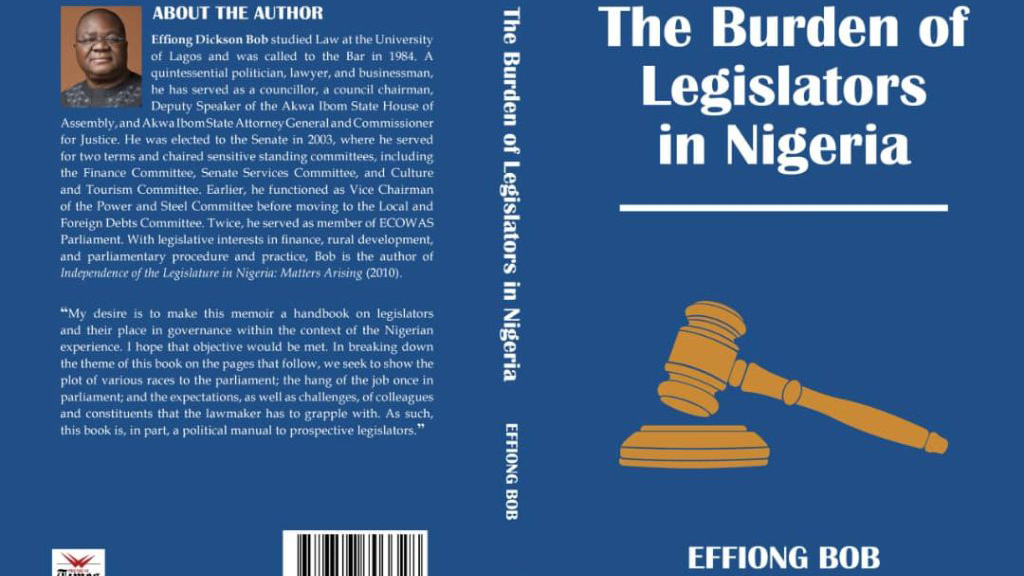
But a new book by an insider, a former federal and state legislator, Senator Effiong Bob, is challenging some of the assumptions about the legislators in Nigeria. Titled
‘The Burden of Legislators in Nigeria’, the 508 page book, with a good dose of institutional analysis, symposium interviews and political history gives insight into the challenges facing the representatives of the people at both the federal and state legislatures in Nigeria. According to the author, the task is more burdensome than the people and observers can appreciate at the moment. Mr. Bob’s book is an adventureinto the institutional, political and human complexities of legislative efforts in the Fourth Republic.
As if it were an indirect response to critical observations about poor representation that citizens have been alleging, Senator Bob’s ‘The Burden of Legislators in Nigeria’ deconstructs the realities of representative democracy and governance here from a participant’s vantage point.
The book contains perspectives from key figures of the Senate and House of Representatives of the Fourth Republic, except the former Senate President Bukola Saraki whose voice is curiously missing in the publication.
Despite the small gap, the book offers a mélange of insight into the Nigerian legislative experience. It is a manual of some sort to those aspiring to take the plunge into the murky waters of politics where they will face complex challenges such as nomination barriers, party subterfuge, and wait for this, the mother of all challenges: god-fatherism, which remains a critical success or failurefactor. Besides, the author, a lawyer pinpoints what cannot be discounted: inescapable pressure from the constituency.
Bob’s work here highlights the tortuous journey from party nomination to the personal burden of securing and preserving a mandate. The book headlines the power and significance of democratic practice over military rule at all times. From his experience, the author touches off debate on the expediency of comprehensive reform agenda toreset the legislature to protect its independence within the country’s governance structure most people believe it isn’t delivering concrete dividends of democracy.
The book’s tenchapters, begins with aclassic definitionof the legislature and its functions. It devolves into the systemic burdens lawmakers have had to shoulder in the course of serving the basic interests of the people they represent. You will read didactic perspectives from former and serving Presidents of the Senate,Anyim Pius Anyim, Ken Nnamani, David Mark, Ahmad Lawan and GodswillAkpabio. Their viewpoints shed some light on some tricky dynamics within the legislative service.
In Nigeria, legislators face a unique challenge: reconciling their constitutional role as lawmakers with the public’s expectation of delivering tangible benefits. This confusion between lawmaking and provision of concrete dividends of democracy has created a burden on elected representatives, undermining the effectiveness of governance.
The expectation gap
Nigerians often view their elected representatives as service providers, expecting them to deliver roads, schools, and jobs. This mindset stems from decades of military rule, where governance was about delivering goods rather than making laws. As a result, legislators are pressured to prioritise projects over policy-making through legislation. There lies lawmaking conundrum in Nigeria
Lawmaking is a complex, often thankless job. Crafting legislation requires research, consultation, and compromise. However, these efforts go largely unnoticed, as tangible benefits are what garner votes. This leads to a focus on short-term gains rather than long-term policy frameworks.
The burden of representation
Nigerian legislators are caught between representing their constituents’ immediate needs and fulfilling their lawmaking duties. This leads to:
Project-based politics: Legislators prioritise visible projects to demonstrate their effectiveness.
Pork barrel politics: Funds are allocated based on political expediency rather than national priorities.
Lack of policy focus: Critical national issues suffer from inadequate attention.
This dynamic has had several consequences in the country:
Ineffective governance: Poor policy-making hampers economic growth and development.
Corruption: The focus on projects creates opportunities for corruption and mismanagement.
Disillusionment: Citizens become disillusioned with politics, leading to apathy and cynicism.
In addressing the challenge, Bob’s book addresses the Nigerian legislature’s constitutional roles and responsibilities, even as the author wants the critical citizens to understand the institution as a significant pillar of democracy and governance. The book frames the legislative functions from lawmaking and representation to oversight and budgetary control, which emphasises the significant place of the legislature in a functional democracy.
In the main, The Burden of Legislators in Nigeria on the surface may not be prominent and its title may not be attractive but the content is significant and comprehensive. Remarkably, there are voices from both national and state legislative chambers. Besides, the book reveals extensively some democratic pitfalls within the labyrinthine state of internal democracy including and not limited to nomination battles, god-fatherism and “pre-election walls”.According to Bob, these pitfalls demonise and limit democratic processes even before lawmakers are sworn in.
The author wants those who don’t understand the internal working of party system to note details of how‘political overlords’often manipulate candidate selection and exert undue influence over legislators once in office. The book reveals how influential politicianshave been subordinating elected representatives to their personal interests rather than those of their constituents. These are part of the burdens of the legislators in Nigeria that Bob notes in his work people, the media and social critics hardly cover.
Readers will gain insight into some of the weightier matters of legislators’ burden through reflections by Senator BasseyEwa-Henshaw and the ‘sound bites’ of Senator Ikechukwu Godson Abana, etc in the book. The author chronicles the internal democratic heat and other pressures that can always discourage continuity in political or public service. According to the author, political career or journey isn’t for the faint-hearted.
Is membership of national and state assemblies a shortcut to wealth without work as widely believed by even constituents and citizens? The author says it isn’t in any way. He noted that it is a myth as he tells the stories of legislators who left office poorer, weakened by litigation and ceaseless demand by constituents who can hardly measure and manage their expectations.
Former Deputy Vice Chancellor of the University of Abuja, Professor Philip Afaha, wrote the foreword to the book. He notes that the book should be seen within the context of Nigeria’s quest for reforms of institutions that should feed democracy to deliver some public goods.Afaha, a professor of history and expert in parliamentary democracy, says the book is invaluable as a tool for reform and renewing of our minds about democracy and good governance. One other highlight of the book is in its construct that despite its perceived flaws, democracy offers better opportunity for representative democracy to thrive than other autocratic options.
According to the publisher, Premium Times Book, “The Burden of Legislators in Nigeria,” therefore, makes a seminal contribution to Nigeria’s democratic literature. It blends historical recall, lived experience and practical recommendations to deepen understanding of legislative politics and offer pathways toward stronger democratic governance.
Senator Effiong Dickson Bob is a lawyer and has richly served AkwaIbom State as a state and federal legislator and a commissioner. He was the Deputy Speaker of the AkwaIbom State House of Assembly, a Local Government Chairman, Attorney General and Commissioner for Justice in the state and a two-time Senator representing AkwaIbom North East Senatorial District. While at the Senate, he was Chairman Standing Committees, including the Finance Committee, Senate Services Committee and Culture and Tourism Committee, among others. He served two times as a member of the ECOWAS Parliament. Bob is also the author of “Independence of the Legislature in Nigeria: Matters Arising” (2010).
Bob’s book is a challenge to other prominent state actors to write on how to deepen democracy that is beginning to lose its significance.

