 Follow Us on Google News


 Follow Us on Google Discover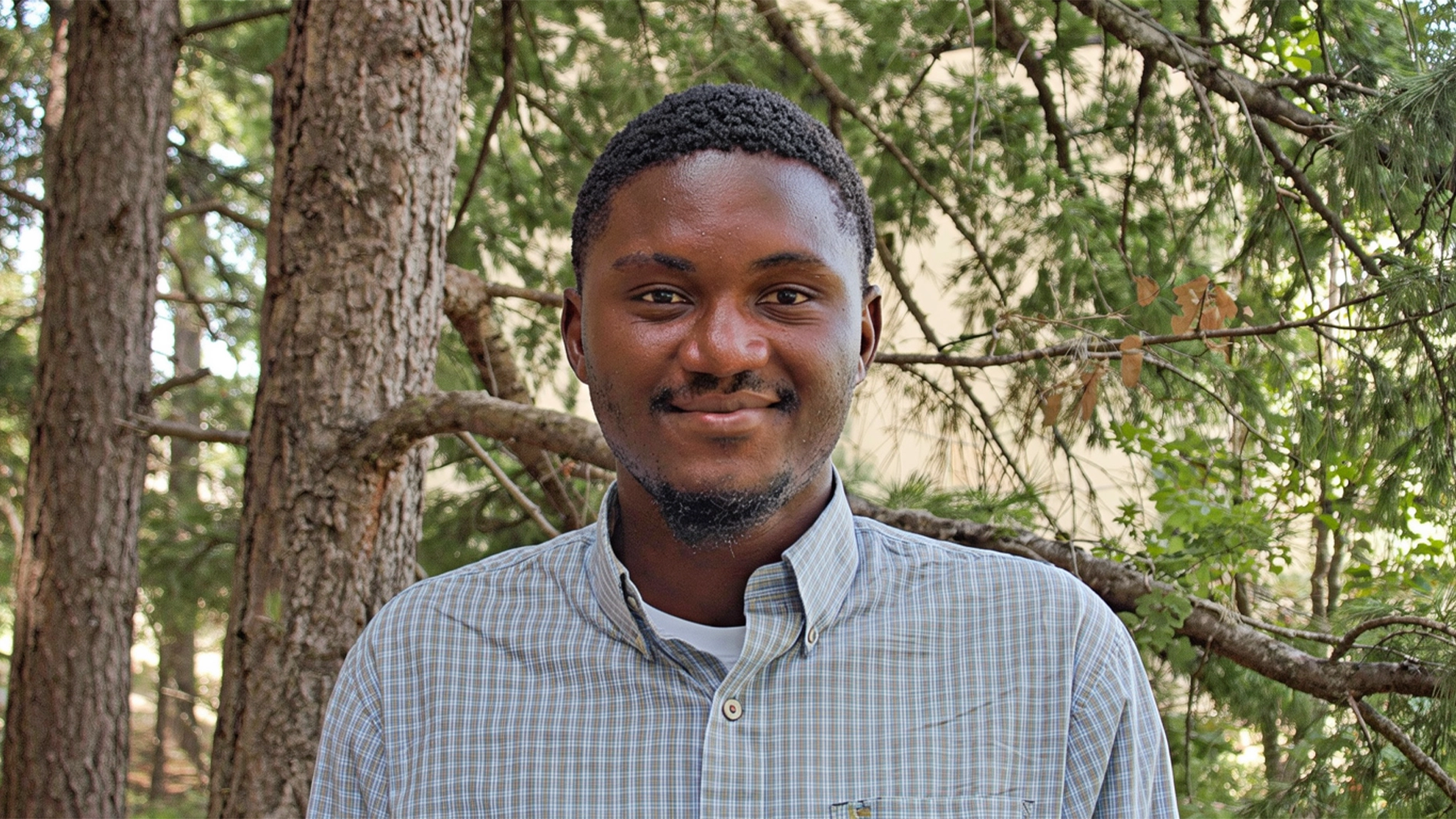
SIR: A recent media report on December 23, 2025, titled ‘Neurologist raises the alarm over rising stroke cases among youths,’ after the aforementioned news broke, Moses Ataben — neuroscientist and doctoral researcher in the fields of cellular and molecular Neuroscience at the University of Missouri-Columbia, United States — was sought to gain more insight on how neurological disorders or conditions affect people and communities.
In doing so, the scholar cited his previous media interventions on the matter — ‘Most neurological disorders underdiagnosed in Nigeria, stronger healthcare needed for patients’ and ‘Scientist seeks special needs reform.’
Ataben defined neurological conditions as disorders that affect the functioning of the central and peripheral nervous systems. They involve the brain, spinal cord, and nerves, and can cause physical, cognitive, emotional, and behavioural problems. These conditions include degenerative disorders such as Alzheimer’s and Parkinson’s disease, stroke, epilepsy and migraine, brain and spinal injuries, neuromuscular diseases, peripheral nerve disorders, and developmental conditions like autism and cerebral palsy.
He referenced an October 2025 report by the World Health Organisation (WHO) on how neurological disorders are a leading cause of illness and disability worldwide, affecting hundreds of millions of people across the globe.
When asked why he chose neuroscience, he said he is fascinated by how the brain and nervous system control the body and behaviour, and that understanding their impact on people’s lives drives his research. This fascination has carried him across continents, from the lecture halls of the University of Uyo (BSc, Human Anatomy) in Nigeria, to world-class neuroscience laboratories in Europe, and currently to the University of Missouri-Columbia in the United States.
According to the scholar, neurological disorders are complex and can lead to dysfunction in different parts of the body. In several of his co-authored, peer-reviewed publications, he has demonstrated how these diseases impact not only the brain but other organs as well.
One of such publications cited was ‘Comparative brain microanatomical and neurochemical alterations following the administration of seven oral artemisinin-based combination therapies in Swiss mice’, published in June 2024 in the International Journal of Anatomy and Research. The study examined common antimalarial drug combinations to determine if they induce subtle changes in areas associated with memory and learning.

“While these drugs are lifesaving, my research examines how their long-term use may subtly affect the brain. By studying these effects, we aim to identify combinations that protect cognitive health while still effectively treating malaria,” he said. The goal of the study, he added, was to evaluate these therapies for safety and efficacy, aiming to identify approaches that help people with HIV not only survive but also maintain cognitive health and quality of life.
Furthermore, because of the rising cases of neurological conditions in Nigeria, stakeholders have called for urgent and coordinated policy interventions to address their growing burden in Nigeria and Africa.
The stakeholders made the call at the First Africa Neurological Health Summit 2025, jointly organised by the Brain and Spine Foundation Africa (BSFA) and the Federal Ministry of Health and Social Welfare. They stated that the prevalence of strokes, epilepsy, brain and spinal cord injuries, Parkinson disease, dementia, and neurodevelopmental disorders such as autism and cerebral palsy is rising sharply, a trend most visible in underserved communities where access to diagnosis, treatment, and rehabilitation remains limited.
The Minister of Health and Social Welfare, Professor Muhammad Ali Pate, observed that treatment gaps exceed 75 per cent in most low-income countries and exceed 50 per cent in most middle-income countries, while disabilities associated with neurological conditions disproportionately affect women, older people, and those with poor socio-economic backgrounds.
Ataben stressed that the minister’s comments aligned with his own media interventions on the issues, but he added that simply complaining about these conditions would not solve the problem. The way forward, he said, is advocacy for research and technology as key tools to address neurological conditions in Nigeria. He highlighted that these technological advances offer patients hope through earlier, more accurate diagnoses and the potential for personalised treatments, while also enhancing healthcare efficiency and accelerating new therapy discovery.
Grateful Ogunjebe, a journalist, wrote from Ogun State.

