 Follow Us on Google News
 Follow Us on Google Discover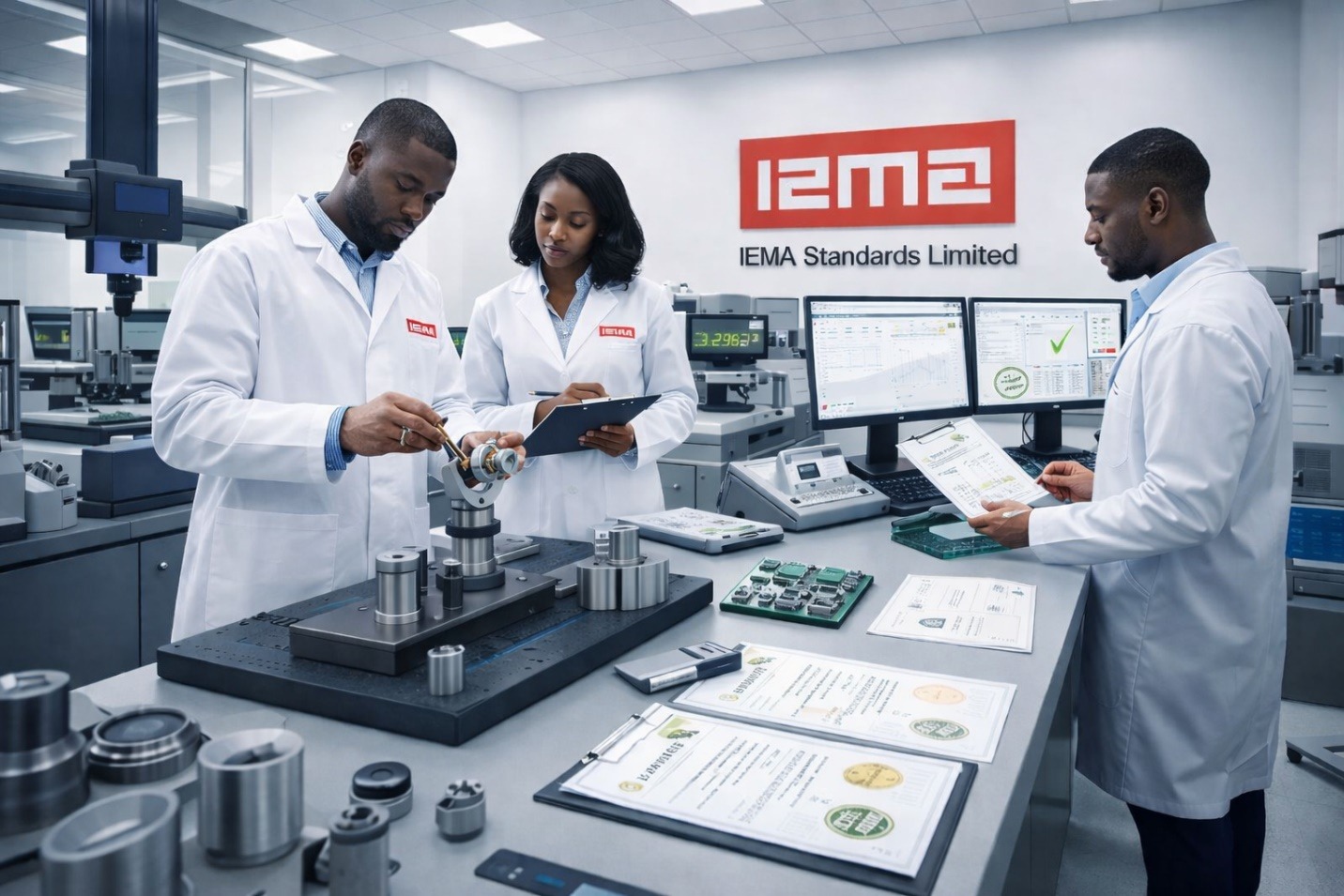
As regulatory frameworks tighten and consumer awareness grows, the need for product certification services, a non-negotiable requirement for global trade has been underscored.
This is critically important as businesses across manufacturing, construction, and distribution sectors are discovering that product certification services have become essential gatekeepers to market access, customer trust, and long-term profitability.
Findings showed that product certification has transitioned from an optional marketing enhancement to an essential business requirement across electrical, mechanical, plumbing, and construction material sectors.
Specifically, from electrical appliances entering retail chains to construction materials supplying infrastructure projects, the demand for verified product safety and compliance has reached unprecedented levels across local and international markets.
This is just as manufacturers, importers, distributors, and construction companies are serious about sustainable growth, risk management, and market competitiveness, they cannot afford to delay certification initiatives.
For businesses navigating increasingly complex trade environments, working with a trusted standards certification body has become a strategic imperative. IEMA Standards Limited, which has established itself as a professional certification partner delivering internationally aligned product certification across multiple industrial sectors, is helping manufacturers and importers transform compliance obligations into competitive advantages.

The company has expressed readiness to partner with businesses across the sectors, delivering professional product certification services that combine technical rigor, international alignment, and practical understanding of commercial realities.
The product certification services firm stated that its comprehensive approach to quality assurance and conformity assessment addresses both immediate compliance needs and long-term strategic objectives.
With a call that the time for product certification was now to ensure products meet tomorrow’s market expectations, the company said that for manufacturers and importers committed to product excellence, regulatory compliance, and market leadership, the pathway forward begins with a conversation about how product certification services could transform compliance obligations into competitive advantages.
Stating that product certification services represent far more than bureaucratic paperwork or regulatory box-ticking exercises, it said they constituted a comprehensive quality assurance and conformity assessment process through which independent, accredited certification bodies evaluate products against recognised national and international standards.
This systematic verification, IEMA said confirmed that products meet essential safety requirements, perform as claimed, and comply with applicable regulations before reaching end users.
On rising stakes of electrical product safety, the group revealed that the electrical products sector faces perhaps the most stringent regulatory scrutiny of any manufacturing category.
It highlighted challenges of substandard cables, switches, lighting fixtures, appliances, and electronic devices, representing genuine safety hazards, with potential consequences ranging from electrical fires and electrocution to property damage and loss of life.
It said the firm provides comprehensive electrical product certification services that align with international testing protocols while addressing local regulatory requirements.
The dual focus, it further said enables manufacturers to secure both domestic market acceptance and preparation for export opportunities, effectively transforming compliance investment into market expansion capability.
According to it, the certification process for electrical products typically involves rigorous testing protocols examining electrical safety, electromagnetic compatibility, environmental performance, and mechanical durability.
Industry observers note that retailers, contractors, and procurement officers increasingly refuse to stock or specify uncertified electrical products, recognising the liability exposure and reputational risks associated with unverified merchandise.
On mechanical products, where performance verification meets liability protection, it is explained that machinery, industrial tools, equipment components, and mechanical systems operate in demanding environments where failure could result in production downtime, workplace injuries, or catastrophic accidents.
Ut said the mechanical product certification process addresses the risks through systematic evaluation of design adequacy, material specifications, manufacturing quality, and operational safety features.
For manufacturers of industrial machinery, it said that the certification provides independent verification that safety guards, emergency stop systems, noise levels, and operational controls meet regulatory standards.
According to IEMA, quality assurance and conformity assessment protocols for mechanical products extend beyond initial design approval to encompass production monitoring, ensuring that certified products maintain consistent quality throughout manufacturing runs.
“This ongoing oversight distinguishes genuine certification from superficial one-time inspections, providing customers with meaningful assurance of product reliability.
“The commercial implications of mechanical product certification extend well beyond regulatory compliance.
Engineering firms and industrial buyers routinely specify certified products in tender documents, effectively excluding uncertified competitors from lucrative contracts. Insurance providers may offer preferential terms for facilities equipped with certified machinery, recognizing the reduced risk profile,” it said.
On plumbing systems, it stated that the products constitute the essential yet often overlooked infrastructure, enabling safe water distribution, sanitation, and drainage in residential, commercial, and industrial facilities.
According to it, pipes, fittings, valves, and sanitary ware must withstand continuous pressure, temperature variations, chemical exposure, and decades of service without failure.
It said plumbing products certification addresses critical performance parameters including pressure ratings, corrosion resistance, material compatibility, dimensional accuracy, and hygienic properties.
For pipe manufacturers, the certification, it said confirmed that materials meet potable water safety standards, wall thicknesses provide adequate strength, and joining methods ensure leak-free connections.
“IEMA Standards Limited offers plumbing products certification services that evaluate both individual components and complete system compatibility, ensuring that certified products perform reliably within integrated plumbing installations rather than merely meeting isolated component specifications,” it said.
On construction materials, it stated that the construction materials sector encompasses the fundamental building blocks of infrastructure development, from cement and steel reinforcement to tiles, roofing sheets, concrete blocks, and insulation materials.
It stressed that the integrity of entire structures depends upon the consistent quality and performance of these materials, making construction materials certification a cornerstone of building safety and longevity.
It said cement manufacturers pursuing certification demonstrate compliance with chemical composition requirements, setting time specifications, and compressive strength development.
It said the market access implications of construction materials certification have intensified dramatically as government infrastructure projects, commercial developers, and quality-conscious contractors implement mandatory certification requirements within procurement specifications.
Projects financed by international development institutions routinely mandate certified materials, effectively excluding uncertified suppliers from substantial market opportunities.
Beyond regulatory compliance, construction materials certification delivers tangible risk reduction for manufacturers and distributors. Product liability claims arising from structural failures, building collapses, or fire incidents can prove financially devastating. Certification provides documented evidence of due diligence, potentially limiting liability exposure while demonstrating professional responsibility.
Export-oriented businesses discover that ISO-aligned product certification from recognized certification bodies like IEMA Standards Limited facilitates regulatory approval in destination markets, reducing time-to-market and eliminating duplicative testing requirements.
“Customer trust represents perhaps the most valuable yet intangible benefit of product certification services. In markets saturated with competing claims and counterfeit products, certification marks provide consumers, contractors, and procurement professionals with independent verification of product quality.
“This third-party endorsement proves particularly valuable for newer market entrants and smaller manufacturers seeking to establish credibility against established competitors.
“The regulatory landscape continues evolving toward stricter enforcement of product safety and compliance requirements. Businesses that pursue proactive certification position themselves ahead of regulatory curves, avoiding the scramble for rushed compliance that catches reactive competitors unprepared when new requirements take effect,” it said.

