 Follow Us on Google News
 Follow Us on Google Discover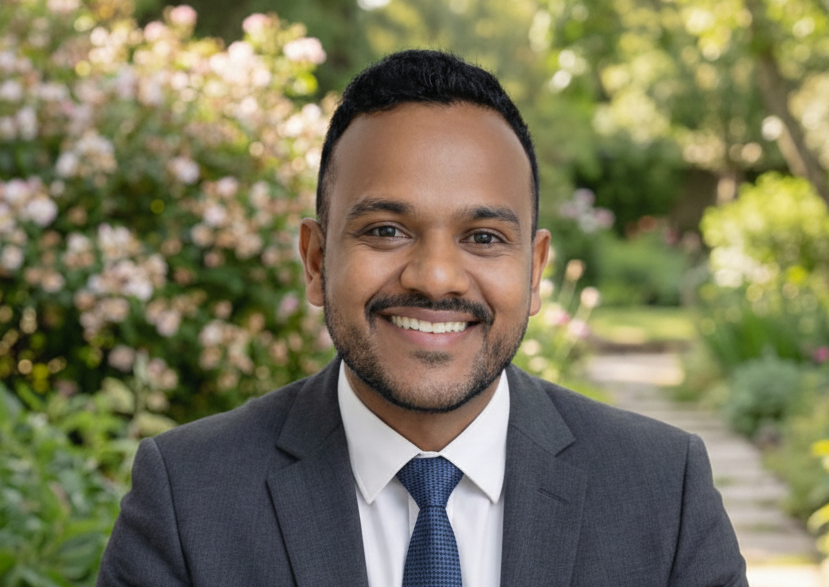
In an industry where some companies still run mission-critical operations on technology older than their youngest employees, one Sri Lankan software architect is quietly revolutionising how the country’s insurers do business.
Between 2017 and 2022, Indika Udaya Kumara led what industry observers describe as one of the most ambitious digital transformation programmes in Sri Lanka’s insurance sector – migrating a major insurer’s entire core operations from a three-decade-old mainframe system to modern cloud infrastructure.
“When I first assessed the existing architecture, I found systems that had been running since the early 1990s,” Kumara explains. “These weren’t just outdated – they were actively constraining the business. Policy processing that should take minutes was taking days. Customer service teams couldn’t access real-time data. The technology had become a barrier rather than an enabler.”
The challenge was formidable. Legacy mainframe systems, while reliable, had accumulated decades of business logic embedded in millions of lines of code. Simply replacing them wasn’t an option – the risk of disrupting operations serving hundreds of thousands of policyholders was too great.
Kumara’s solution drew on the “Strangler Fig” pattern, a software architecture approach named after the tropical trees that gradually envelop their hosts. Rather than a risky wholesale replacement, his team systematically built modern microservices around the legacy core, progressively shifting functionality until the old system could be safely retired.
“We couldn’t afford downtime. Insurance is a trust business – people depend on us when they’re at their most vulnerable,” he notes. “Every migration had to be invisible to customers while dramatically improving what we could offer them.”
The results have been substantial. Processing times for key operations dropped from days to minutes. The new cloud-native architecture, built on Microsoft Azure with Kubernetes orchestration, now handles over 10,000 API transactions per second with 99.9% uptime. Field agents who previously waited hours for policy approvals can now complete transactions in under 30 minutes.
Perhaps more significantly, the transformation has changed what’s possible for the business. “Legacy constraints don’t just slow you down – they limit your imagination,” Kumara observes. “Once we had modern infrastructure, we could think about products and services that simply weren’t feasible before.”
The project has attracted attention beyond Sri Lanka’s borders. In 2020, global research firm Celent recognised the transformation in its annual review of insurance technology innovation – a rare acknowledgement for a South Asian insurer competing against far larger global players.
For Kumara, the technical achievement matters less than its human impact. “Insurance penetration in Sri Lanka is still relatively low compared to developed markets. If technology can make insurance more accessible, more affordable, more responsive – that’s meaningful. That’s what keeps me motivated.”
The architect, who began his career as a software developer before rising to lead enterprise-wide technology strategy, sees his work as part of a broader shift in Sri Lankan technology capabilities. “What we’ve proven is that Sri Lankan technologists can deliver world-class digital transformation – not just for local companies, but at a standard that competes globally.”
As Sri Lanka’s financial services sector continues its digital evolution, Kumara’s work offers a template for others grappling with legacy technology constraints. His message to fellow technologists is direct: “Don’t be intimidated by old systems. Understand them, respect what they’ve achieved, then systematically replace them with something better. It’s not glamorous work, but it’s transformative.”

