 Follow Us on Google News


 Follow Us on Google Discover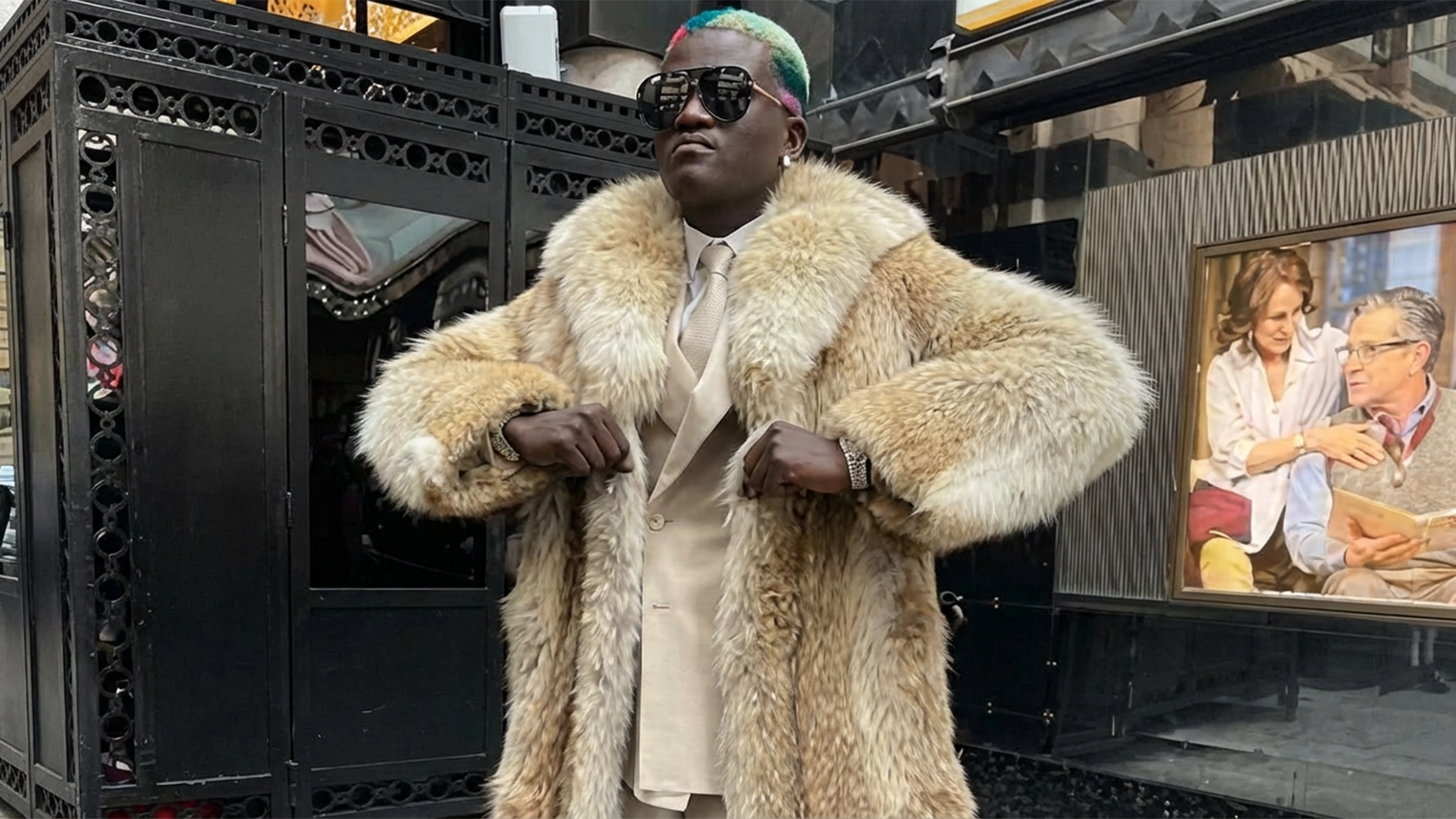
In Nigeria’s entertainment industry today, silence is a career risk, as controversy isn’t just a side effect but a product. From viral scandals to online beefs, celebrities are leveraging drama, beef and PR stunt to boost their careers. One scandal, one heated interview, one leaked video, or one reckless social media post can achieve what years of steady work, sometimes, cannot: instant relevance. DANIEL ANAZIA examines Nigeria’s scandal economy, a space where outrage fuels engagement, controversy attracts endorsements, and notoriety is often mistaken for success.
From Talent To Trending
There was a time when careers in Nigerian entertainment were built slowly, through albums, films, comedy and television appearances. Controversy existed, but it was usually damaging, something artistes tried to avoid or manage quietly as public image mattered. However, in an overcrowded industry where there are so many talented artistes who are invisible, controversy has become a megaphone.
For many entertainers, especially the emerging ones, controversy is the shortcut to visibility. The formula is simple: spark outrage, capture attention; convert the attention into followers, streams, bookings, or endorsements.
It may come in different forms: public feuds with fellow artistes, provocative statements on sensitive topics, questionable stunts on social media, deliberate leaks and cryptic posts, loud lifestyle displays meant to provoke envy or criticism.
According to some industry observers, a decade ago, a scandal was a career-killer. If a celebrity was caught in a compromising situation, they went into hiding, hired a PR firm to issue a groveling apology, and hoped the public would eventually forget. But today, they lean in.
The strategy is simple: trigger the algorithm. The social media algorithms don’t reward good or bad; they reward intensity. For instance, in the quiet hours of a Tuesday morning, while most of Nigeria is caught between a dream and the reality of a Lagos commute, a notification pings. It’s not a news alert about the economy or a weather update. It’s a video of a popular actress accidentally leaking a voice note, or a musician getting into a staged brawl at a pub.

By 8:00am, the “Vawulence” headquarters on X (formerly Twitter) is in full session. By noon, the individual in question is the number one trending topic. By evening, they had gained 50,000 new followers and secured a ‘brand influencer’ deal.
A picture of a notable celebrity donating to a motherless babies’ home might get 10,000 likes, while a video of that same celebrity getting into a shouting match with a gateman over respect will get 2 million views, 50,000 comments, and 100,000 shares. In the eyes of a brand looking for visibility, the person with 2 million views is more valuable than the one with 10,000 likes.
Entertainment lawyer, Nobert Ajaegbu, notes that the rise of blogs, gossip pages, algorithm-driven platforms, and monetised outrage has created an ecosystem where controversy is not just tolerated but it is rewarded. According to him, in this system, the question is no longer “is this good or bad?” But “is this viral?”
The Winners in the Chaos
It’s easy to look at the noise and think it’s all mindless. However, it’s a calculated business move where several parties including the clout chaser, the blogs and gossip trolls, and the brands (silent enablers) smile to the bank.
For the “Clout Chaser” (rising star) —artistes and influencers— scandal is the ultimate shortcut.
According to them, why spend five years perfecting your craft when one well-timed call-out can make you a household name in 48 hours. They believe that a viral controversy can: increase social media followers overnight, drive music streams and video views, attract interviews and media coverage; turn unknown names into conversation starters. We have seen artistes who haven’t released a hit song in years remain relevant simply by shaking tables every one or two months.
The blogs and gossip trolls, perhaps, the biggest beneficiaries; they are middlemen of the scandal economy. They are the refineries of the raw chaos; they take a 10-second clip, add a sensational headline, and monetize the traffic.
For them, every fight, insult, or rumour is content. A celebrity’s broken marriage or public fallout is literally money in the bank. In their case headlines are sensationalized, nuance is sacrificed for speed and context is replaced with click bait.
As tºhe silent enablers some brands are increasingly indifferent to how attention is generated as long as it exists. Brands often claim they want clean ambassadors, but their marketing departments are obsessed with numbers.
If a controversial figure has the eyes of the public, brands will find a way to align with them—often under the guise of giving them a second chance or celebrating their authenticity. For them, influencers with controversial reputations still secure deals because: they have reach, they dominate conversations, and they keep audiences engaged.
The Price Tag: Who Really Pays?
For every beneficiary, there is a cost — often paid quietly, long after the trend has faded. In the Scandal Economy, the currency is not just Naira, its human capital. The question is: who is making money, and who’s paying the price?
Jayeoba Foluso, a Professor of Human Resources Management (HRM) and Industrial Psychology, Department of Industrial Relations and Personnel Management (IRPM), Lagos State University noted that it’s a triangular kind of payment that involves the audience, the artiste/celebrity and the entertainment industry itself.
According to him, the audience pays with their attention and mental health. “We are constantly fed a diet of artificial outrage. Over time, we become desensitised. Real issues—social injustice, economic hardship—get drowned out by the noise of who unfollowed whom on Instagram. We are being entertained into a state of apathy,” he said.
The university don averred that there is a hidden cost for the celebrity/artiste or performer. He stressed that while scandal may offer instant rewards, it often comes with long-term damage such as typecasting as problematic, loss of trust from serious industry players and difficulty transitioning into respected, enduring careers.
“When your career is built on scandal, you are on a treadmill that only goes faster. You have to top the previous shock to stay relevant. The tragedy of the scandal-led career is that you eventually run out of things to burn. Once you have burnt your reputation, your relationships, and your privacy, what’s left?” he queried, adding that “Many entertainers discover too late that controversy is addictive.”
Buttressing Jayeoba’s position, Ajaegbu noted that the industry pays the price by suffering due to the lack or death of substances. “When vibes and vawulence become the primary criteria for success, talent becomes secondary. We risk creating a generation of entertainers who can’t actually entertain—act, sing, or tell a joke—but are experts at starting a digital fire.”
For some celebrities, controversy is an unwanted shadow; for others, it is a familiar companion, even a strategic tool. If controversy were an art form, Portable would be its most unfiltered expression. The street-hop singer burst into the mainstream not just with Zazoo Zeh, but with an attitude that felt raw, unpredictable, and impossible to ignore. Public altercations, social media outbursts, industry feuds, and clashes with authorities have followed him almost as closely as his music.
Portable thrives in this chaos; his controversies reinforce his image as the “street prophet” — unpolished, defiant, and allergic to industry rules. Each scandal fuels conversations, streams, and bookings, keeping him constantly in the news cycle.
For the singer, controversy is not an accident; it is woven into his public persona. The price, however, is steep. Industry relationships suffer, brand partnerships hesitate, and public sympathy fluctuates. Yet, he remains a case study in how notoriety can sustain visibility in Nigeria’s fast-moving music ecosystem.
Social media influencer Mandy Kiss represents a newer kind of celebrity — one born almost entirely from digital culture. Her fame thrives on provocation: bold aesthetics, unapologetic self-expression, and posts designed to spark debate. Critics often question the substance behind the attention, while supporters praise her confidence and refusal to conform.
Mandy Kiss understands one core truth of the internet age: engagement is everything. Whether the reaction is admiration or outrage, attention translates into relevance. In her case, controversy becomes a conversation starter, keeping her name circulating across platforms.

