
GDN SIDEBAR
Independence is admirable. Self-sufficiency is necessary. But no one builds a meaningful life alone.
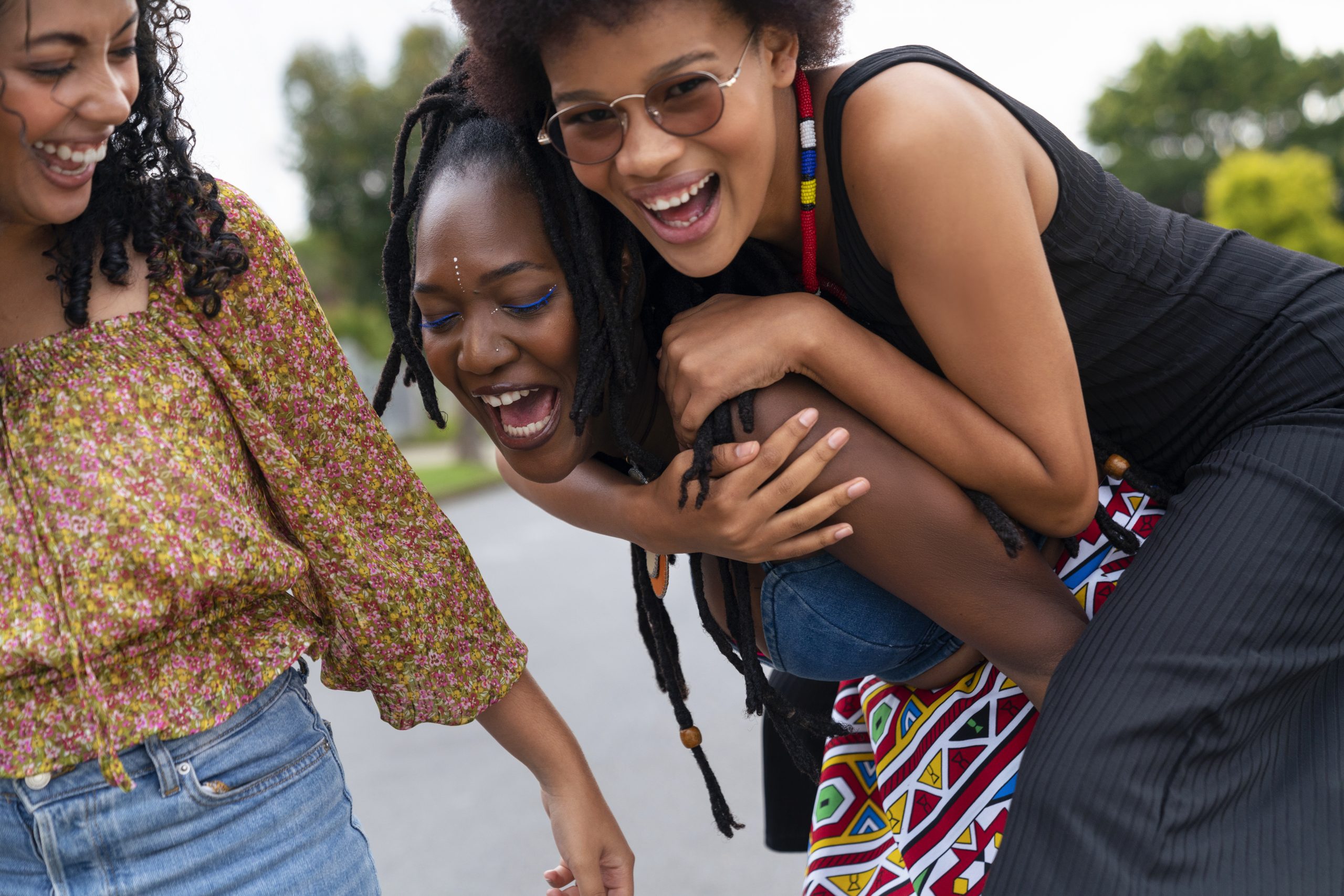
For a long time, I believed strength looked like self-containment. Handling things quietly. Solving problems on my own. Carrying my weight without asking for help. It sounded stoic and noble. That’s the grown people way, right?
But eventually, I realised this version of strength was lonely and unsustainable. Because life doesn’t just require ambition. It requires witnesses, people who see you when things are not impressive or curated. People who sit with you in uncertainty, without rushing you out of it. People who can prop you up, aid, and help you thrive, especially when you find it difficult to seek help.
You don’t just need goals. You need a strong community. And this applies to all areas of life, not just to the big moments but to the ordinary middle, too.
THE MYTH OF DOING LIFE ALONE
We live in a culture that celebrates independence almost obsessively. Be self-made. Don’t rely on anyone. Figure it out on your own. Push through. Keep going.
And while there is dignity in self-reliance, there is also a quiet lie buried in it: the idea that needing people is a weakness. It isn’t.
No one I admire has built anything meaningful alone. Not a career. Not a family. And not even a sense of self. Every life that looks full is supported by people you don’t always see: friends who showed up consistently, mentors who offered perspective, and family members who carried emotional weight when things were heavy. Community is not a bonus feature of a good life. It is infrastructure.
COMMUNITY IS NOT OPTIONAL
Over the weekend, after a hectic and, honestly, disparaging/deflating week at work, I spent some time with some of the women who have made up my community in the last decade. We might not see all the time, but the moments we spend together fill my cup in ways I cannot begin to explain.
We spent a few hours together learning to make scented candles. And while we poured hot wax into pretty containers, we poured into one another amid laughter and compliments disguised as insults. The kind of soft “bullying” that only works when love is underneath it. And as I looked around, I realised that these were my people. I have moved through life confident that I will always be supported by a group of people who love me fiercely, and I am forever grateful for that.
I used to think community was something you turned to when things went wrong: grief, crisis, celebration, child-rearing, big moments. I didn’t fully appreciate how much community matters in the in-between. You might be doing “fine” on paper, but feel emotionally stretched thin from carrying too much alone. That’s why it’s important to let people you trust in, and let yourself be supported.
Community isn’t just about being surrounded by people. It’s about being known.

WHAT A STRONG COMMUNITY IS (AND ISN’T)
A strong community is not a large circle. It doesn’t require constant access or daily interaction. It isn’t built on convenience or proximity alone.
A strong community is made up of people who can hold different parts of you. People who can celebrate your wins without competition. People who can tell you the truth without cruelty, who can sit with your doubts without trying to fix you.
It’s also not one-size-fits-all. No single person can meet every need. Some people offer emotional safety. Others offer intellectual stimulation. Some show up practically. Others remind you who you are when you forget.
THE WORK OF BUILDING AND MAINTAINING COMMUNITY
Here’s the part we don’t talk about enough: community takes work. It requires effort, vulnerability, and consistency. It asks you to show up when it would be easier to retreat. It asks you to speak honestly instead of performing resilience. It asks you to listen — really listen — without centring yourself.
Strong communities are not accidental. They are built through repeated, ordinary choices: checking in, following up, making time, showing care without waiting for an occasion.
They also require boundaries and respect. Not everyone earns access. Not every relationship deserves proximity. It is about alignment, not quantity.

THE COURAGE TO LET PEOPLE SHOW UP FOR YOU
One of the hardest things I’ve had to learn is how to receive support without guilt. To let people help without immediately trying to repay them. To accept care without diminishing my own strength. To ask for what I need without apologising for it.
There is courage in being seen. In saying, I don’t have this figured out. In letting people witness your becoming, not just your arrival. Community doesn’t weaken you. It expands your capacity.
PRACTICAL WAYS TO STRENGTHEN YOUR COMMUNITY
Building a strong community doesn’t require a dramatic overhaul of your life. It starts small and grows through intention.
Pay attention to who leaves you feeling grounded after conversations, not drained or diminished. Nurture relationships that feel reciprocal, even if they look different in form. Be willing to go first, to check in, to invite, to open up slightly more than feels comfortable.
And do a quick audit. Who are your people right now? Not the ones you follow. Not the ones you occasionally gist with. The ones who know you. The ones you can call when you’re not at your best. If you can name two to four people, protect that. If you can’t, that’s simply information: you need to build.
Community also deepens when you become someone others can rely on. Show up when you say you will. Hold space without judgement, and celebrate others without comparison. Trust is built through follow-through.

WHEN COMMUNITY CHANGES
Not every community is meant to last forever. Some people walk with you through specific seasons and step away when that chapter closes. There is no failure in outgrowing certain dynamics. There is no betrayal in choosing relationships that align with who you are becoming.
What matters is recognising when a community no longer supports your growth, and having the courage to adjust. Community should challenge you gently, not shrink you quietly.
WHY THIS MATTERS
Life will test you: with loss, difficulty, success, transition, and change. And when it does, the quality of your community will determine how well you move through it.
Strong communities hold you steady when your footing shifts. They remind you of your values and help you see yourself more clearly. They hold you accountable when you’re slipping, and they refill you when you’re empty.
You don’t need to do life alone to prove that you’re capable. You don’t need to carry everything yourself to be strong. Sometimes, the most powerful thing you can do is let people walk with you. That, too, is a form of strength.