 Follow Us on Google News
 Follow Us on Google Discover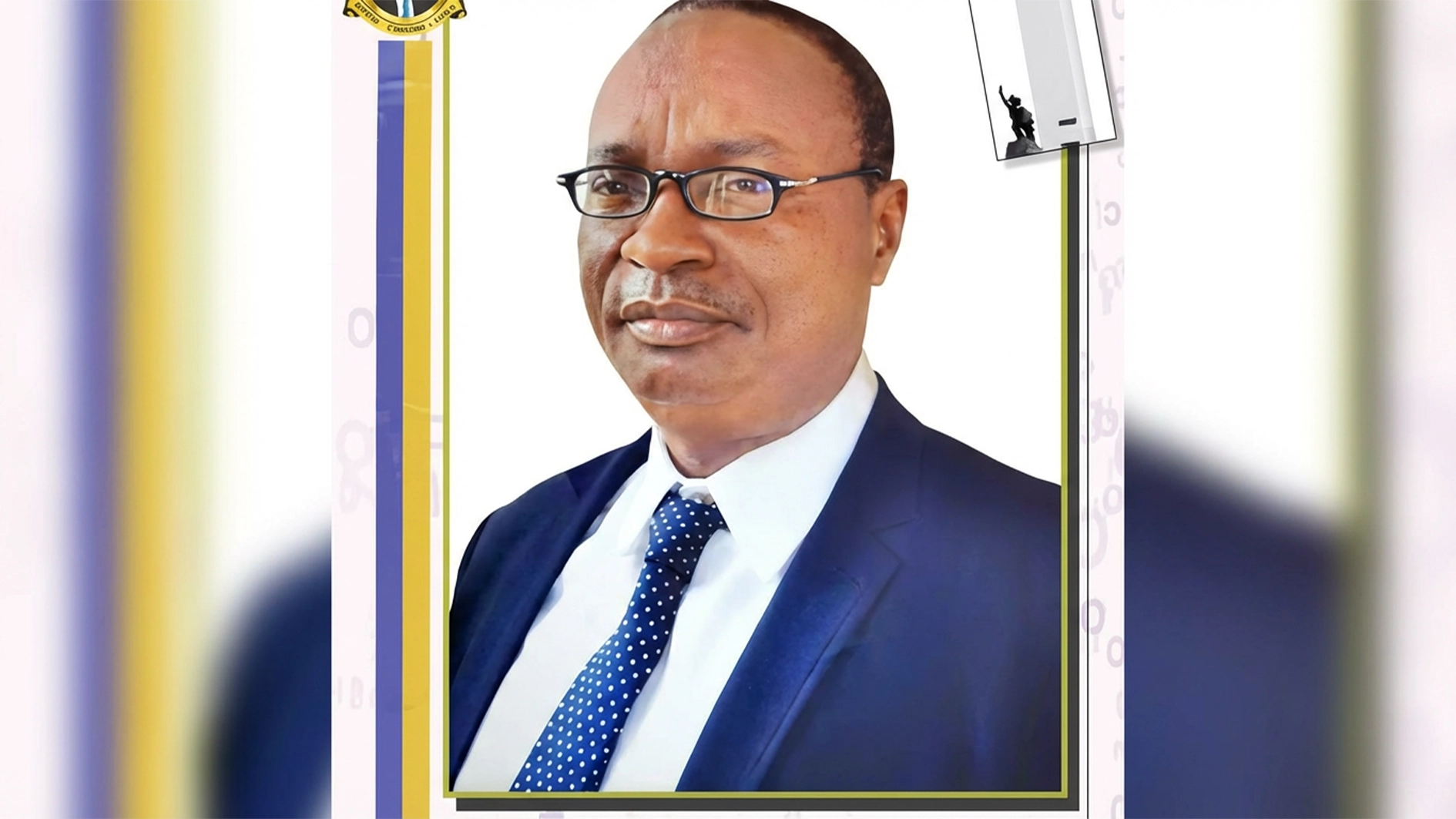
A former Deputy Vice-Chancellor (Administration) of the University of Ibadan, Prof. Ezekiel Olusola Ayoola, has called on the Federal Government to extend recently approved academic allowances to emeritus professors, describing the move as essential to sustaining research excellence and mentorship in Nigerian universities.
Ayoola made the appeal in a chat with The Guardian in Ibadan, where he expressed concern over what he described as the neglect of highly experienced scholars who continue to contribute to academic development after retirement.
According to him, emeritus professors are senior academics who retired after spending between 15 and 20 years at the professorial level and are still actively involved in research, supervision, and intellectual engagements.
He noted that despite their ongoing contributions, many of them are appointed to emeritus positions without salaries, allowances, or structured financial support.
“Emeritus professors are appointed without pay, yet they continue to serve the university system diligently. They remain active in research and mentorship, but they are often left without any form of financial backing.
The government should extend the recent allowances approved for scholars in service to them”, Ayoola said.
According to the Professor of Mathematics, Emeritus spent at least 15 years as full professors before retirement.

He cited the example of professors that are still publishing at the frontier of research even after many years as retirees even in their late 70s, saying: “Since research endeavours are lifelong commitments by Emeritus, they should be recognised and encouraged”.
The former university administrator argued that the nation stands to gain immensely by investing in emeritus professors, whom he described as repositories of institutional memory and intellectual capital. He stressed that their wealth of experience positions them to drive research development, innovation, and commercialisation.
“Professors emeriti have a lot to contribute to research breakthroughs and commercialisation because of their depth of knowledge and exposure. Supporting them is an investment in national development.
“Seasoned Emeritus professors are highly regarded in advanced countries. As long as they are healthy and productive, the system tolerate them regardless of their age. The system extends to them all the hospitality needed to maintain their relevance in the research environment. Emeritus professors are highly regarded because research problems that will take young scholars months and years to unravel can be tackled within weeks by Emeritus professors because of their experience”, he said.
Ayoola specifically called for the extension of allowances for books, academic journals, and conference participation to emeritus professors, noting that access to current research materials and international academic platforms is critical to maintaining global relevance.
“The recent allowances for books, journals, and conferences should not exclude emeritus professors. The country has much to benefit from that gesture. When they are productive, active, and healthy, they can train and mentor young researchers effectively,” he added.
He lamented that the absence of institutional support often discourages retired scholars from sustained academic engagement, leading to a loss of valuable expertise within the university system. According to him, this situation weakens research output and slows the development of young academics.
The former deputy vice-chancellor urged policymakers to recognise that strengthening higher education requires deliberate support for both active and retired scholars. He maintained that nations that prioritise knowledge development usually leverage the expertise of their senior academics long after formal retirement.
Ayoola also appealed to university managements and relevant government agencies to develop policies that integrate emeritus professors into structured research and mentoring programmes, with clear funding frameworks.
He stressed that such measures would enhance continuity in scholarship, promote excellence, and position Nigerian universities competitively on the global stage.
According to him, a well-supported emeritus system would not only preserve academic standards but also help nurture the next generation of researchers and innovators critical to Nigeria’s future development.

