 Follow Us on Google News


 Follow Us on Google Discover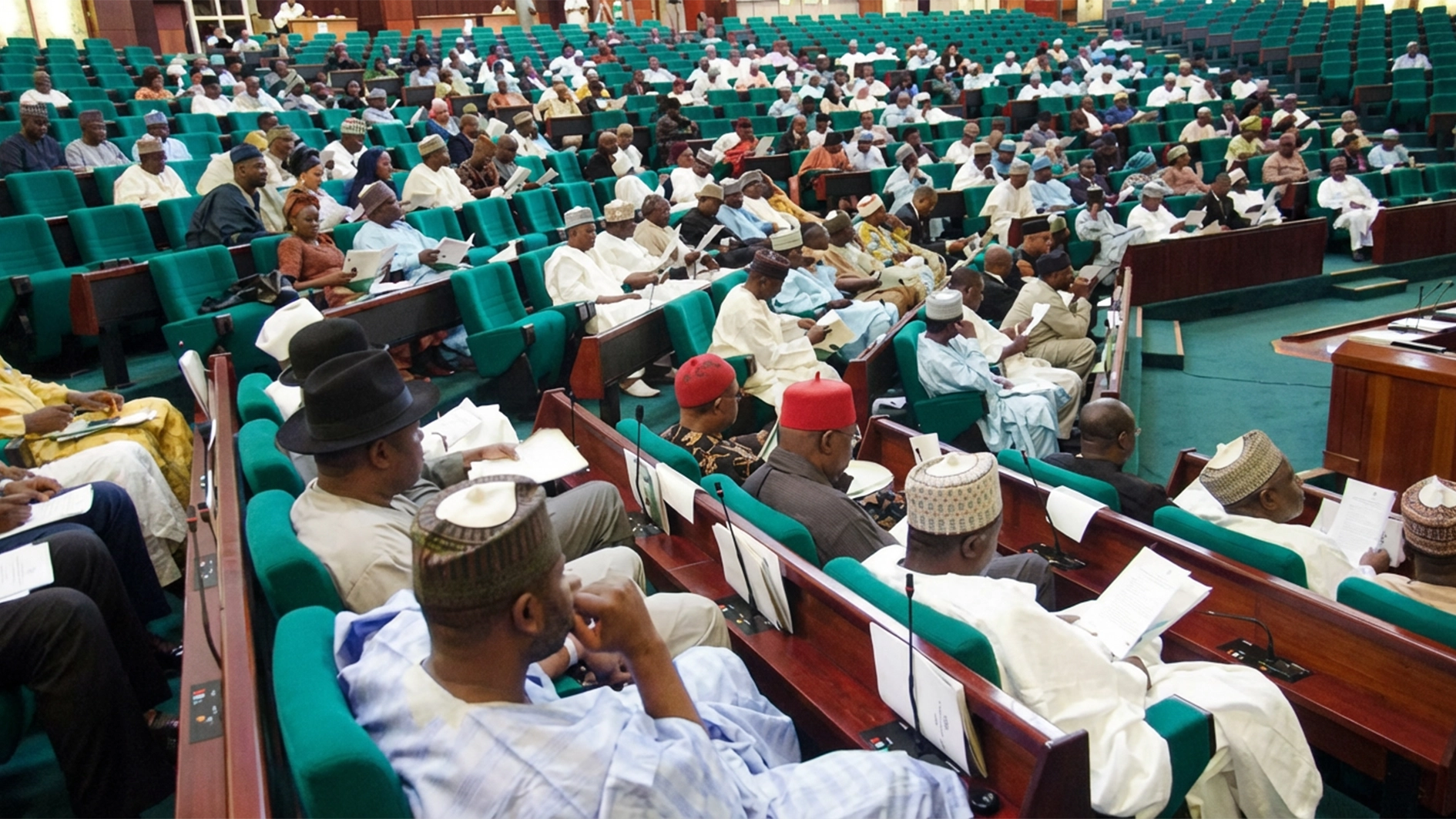
With barely one year to the 2027 general elections, Nigerian women risk remaining largely excluded from the corridors of legislative power, as 13 states continue to operate all-male Houses of Assembly and a long-awaited constitutional amendment to guarantee women’s seats hangs in the balance.
From Bauchi to Zamfara, not a single woman currently sits in the state assemblies of Bauchi, Borno, Gombe, Imo, Jigawa, Kano, Katsina, Kebbi, Abia, Osun, Sokoto, Yobe and Zamfara, which is a stark reflection of the structural barriers confronting women in Nigerian politics and a warning signal that no meaningful change may rub off on the 2027 electoral cycle.
Women’s rights advocates said the clock is ticking on the Reserved Seats for Women Bill, a proposed constitutional alteration sponsored by Deputy Speaker of the House of Representatives, Benjamin Kalu, which seeks to guarantee special seats for women in the National Assembly and State Houses of Assembly.
Without urgent political will, they warn, Nigeria’s gender imbalance in governance may persist for another legislative term.
Speaking in Abuja on women’s representation, Chief Executive Officer of TOS Group and National Convener of the Reserved Seats for Women Bill Campaign Coalition, Osasu Igbinedion Ogwuche, urged President Bola Tinubu to intervene decisively to fast-track the bill’s passage before election campaigns begin.
She described the proposal as a temporary but necessary corrective measure to reverse decades of systemic exclusion of women from decision-making spaces.

According to data from the Inter-Parliamentary Union (IPU), women occupy just about four per cent of seats in Nigeria’s National Assembly, far below the global average of roughly 27 per cent.
In the 109-member Senate, only four women currently serve, while the House of Representatives, with about 360 members, has around 15 female lawmakers.
This places Nigeria among the bottom five countries worldwide for women’s parliamentary representation, with global rankings hovering between 178th and 180th out of more than 180 countries.
Advocacy Lead of TOS Foundation, Andikan Umoh, attributed the imbalance to high campaign costs, political violence, patriarchal party structures and weak institutional support for female candidates, noting that Nigeria lags behind African peers such as Rwanda, South Africa, Namibia and Senegal, where constitutional quotas and party reforms have boosted women’s representation.

