 Follow Us on Google News
 Follow Us on Google Discover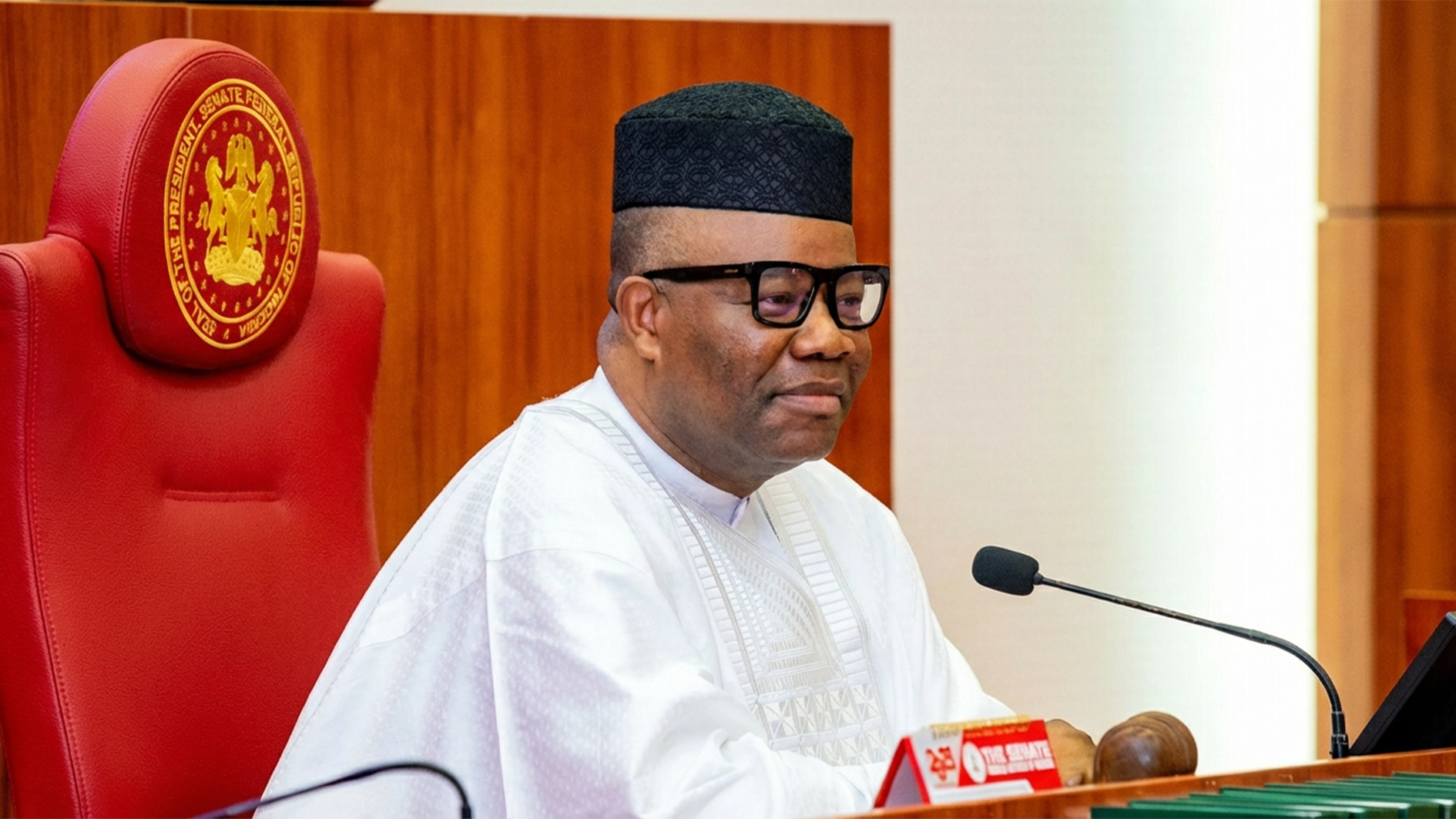
The Nigerian Senate on Thursday kicked off a thorough investigation into the Abuja-Kaduna-Kano railway line, more than ten years after the first trains began operations, amid growing complaints over poor service, aging infrastructure, and declining passenger numbers.
The Senate’s renewed interest comes after lawmakers raised concerns about the deteriorating state of the railway and the inability of the Nigerian Railway Corporation (NRC) to maintain the line effectively.
The Ad-hoc Committee, originally set up last November but stalled due to funding constraints, has now been officially revived to probe every aspect of the railway project—from contracts to operations.
Senator Abdul Ningi, representing Bauchi Central, shared a firsthand account of his recent journey on the Abuja-Kaduna train, highlighting the line’s decline. What should have been a one-hour trip stretched to over three hours due to worn-out coaches and outdated tracks.
“This is a Nigerian tragedy,” Ningi said, pointing out that daily passenger numbers have fallen drastically—from 10,000 at the line’s launch to fewer than 1,000 on a single shuttle today. Revenue has likewise dwindled, he added, urging the Senate to treat the railway’s decline as a “national emergency.”
The Abuja-Kaduna railway, completed in 2015 as the first phase of Nigeria’s railway modernization project, was built by the China Civil Engineering Construction Corporation (CCECC) with largely Chinese project-tied loans. At the time, it was hailed as a symbol of modern, efficient rail travel in Nigeria.

Over the years, however, the line has suffered from poor maintenance, vandalism, derailments, and bandit attacks along the northern corridor. The most recent derailment occurred in August 2025 at Asham, reinforcing the perception that the line is unsafe and poorly managed.
Senator Adamu Aliero, Chairman of the Senate Committee on Transport, described the railway as an “eyesore” and emphasized the urgent need for coordinated action to restore it to operational efficiency.
Senate President Godswill Akpabio delivered one of the session’s most memorable moments, using humor to highlight the railway’s inefficiency. “Bicycle—even keke is faster than the Abuja-Kaduna train,” he quipped, drawing laughter and applause.
The remark underscored the absurdity of a railway intended to provide fast, safe travel yet now being overtaken by low-cost, small-scale transport like motorcycles and tricycles, known locally as “keke napeps.”
Akpabio also pressed for accountability, questioning both the contracts and execution of the railway project. “Every kobo spent must be examined,” he said, blending humor with a serious call for transparency and efficiency.
The Senate formally inaugurated the Ad-hoc Committee, chaired by Senator Adams Oshiomhole, tasking it with reviewing contracts, maintenance records, financial statements, and operational practices. The panel has six weeks to submit recommendations aimed at restoring service delivery, safety, and reliability.
For commuters, Akpabio’s humorous critique resonates with lived experiences. Passengers often face long delays, overcrowded coaches, and inconsistent schedules, prompting many to abandon the railway for buses, taxis, or motorcycles. The decline has eroded public confidence and affected revenue generation.
Analysts warn that continued neglect could discourage investment in Nigeria’s rail sector and weaken trust in government infrastructure projects. Recommendations include track rehabilitation, acquisition of modern coaches, and improved security measures.
The investigation is also expected to identify accountability gaps and ensure that public funds are used effectively, so the Abuja-Kaduna railway can finally meet the expectations of Nigerians who once hailed it as a milestone in national transport.
For many, Akpabio’s “Even keke is faster” comment captured the frustration and irony of a railway that promised speed and reliability but now barely keeps pace with public expectations. As the Senate probe gets underway, there is hope that corrective action will transform the railway from a symbol of neglect into a model of efficiency and accountability.

