 Follow Us on Google News
 Follow Us on Google Discover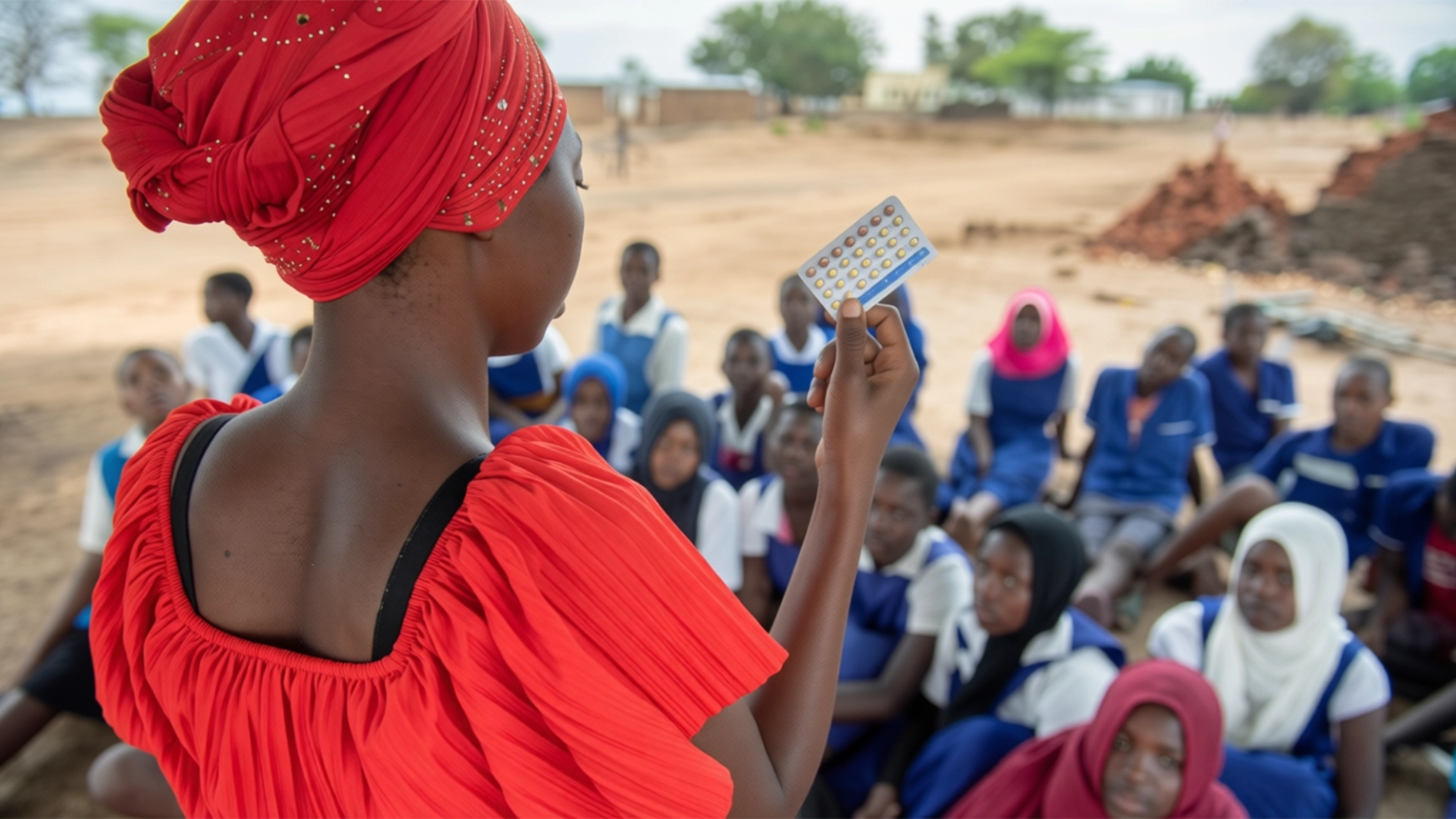
THE global partnership for Family Planning 2030 (FP2030) campaign has set its sights on raising $1 billion to expand access to contraceptive services across North, West, and Central Africa, with experts saying that wider adoption could reduce maternal mortality by up to 35 per cent.
The Managing Director of FP2030’s North, West, and Central Africa Hub, Dr Alain Damiba, in an interview, explained that scientific evidence shows that when women can space and time pregnancies, both maternal and newborn health outcomes improve significantly.
He said the campaign aims to support countries with FP2030 commitments, particularly in the face of anticipated funding cuts. He explained that the initiative works to finance family planning programs using national resources, whether government, civil society, or private sector contributions, alongside official donor support from bilateral and multilateral sources. “Our mandate is to maintain the momentum we have achieved and ensure that countries reach the impact they want by 2030,” he said.
Damiba identified fiscal constraints and competing national priorities, including climate change, employment, economic development, agriculture, and extreme violence, as major challenges. He emphasised the importance of collaboration with civil society, women’s groups, and youth organisations to hold governments accountable for commitments made and to ensure that progress in family planning is maintained.
The managing director also stressed the need to use reliable data to inform programs and set targets. While many countries face difficulties in obtaining useful data, he said, governments are working hard to ensure necessary information is available so programs can be planned and implemented effectively.
Despite these challenges, Damiba pointed to opportunities arising from strong leadership at national, regional, and community levels, as well as active advocacy from youth groups. He highlighted growing private sector involvement, including pharmacies and private clinics, and community-based initiatives led by health workers to raise awareness and expand access to family planning services.

On resource mobilisation, he noted that FP2030 is engaging not only the health ministry but also finance, education, and youth ministries, alongside private sector actors, religious leaders, and community influencers.
He stressed that family planning supports health, gender equality, and economic development, strengthening the argument for wider investment. “When women can space and time pregnancies, they can return to work, start businesses.”
Or remain in school, which strengthens the workforce and contributes to national development,” he said
According to him, the campaign’s strategy involves educating and sensitising communities, policymakers, and stakeholders on the benefits of family planning. High-profile events, termed “Made Possible” moments, leverage media, social gatherings, theatre, and other platforms to broaden awareness and generate support for investment.
Damiba noted that the campaign’s success will be measured through increased knowledge and exposure to family planning, improved access, reduced unmet demand, higher contraceptive prevalence rates, and the number of new and continuing users.
He added that campaign impact will also be assessed by resources raised, government and private sector participation, and a shift in national and community narratives, viewing family planning not solely as a health issue but as a broader development priority.
Damiba said the campaign aims to enable women, families, and communities to thrive, thereby contributing to national development while improving health outcomes across the region.

