 Follow Us on Google News
 Follow Us on Google Discover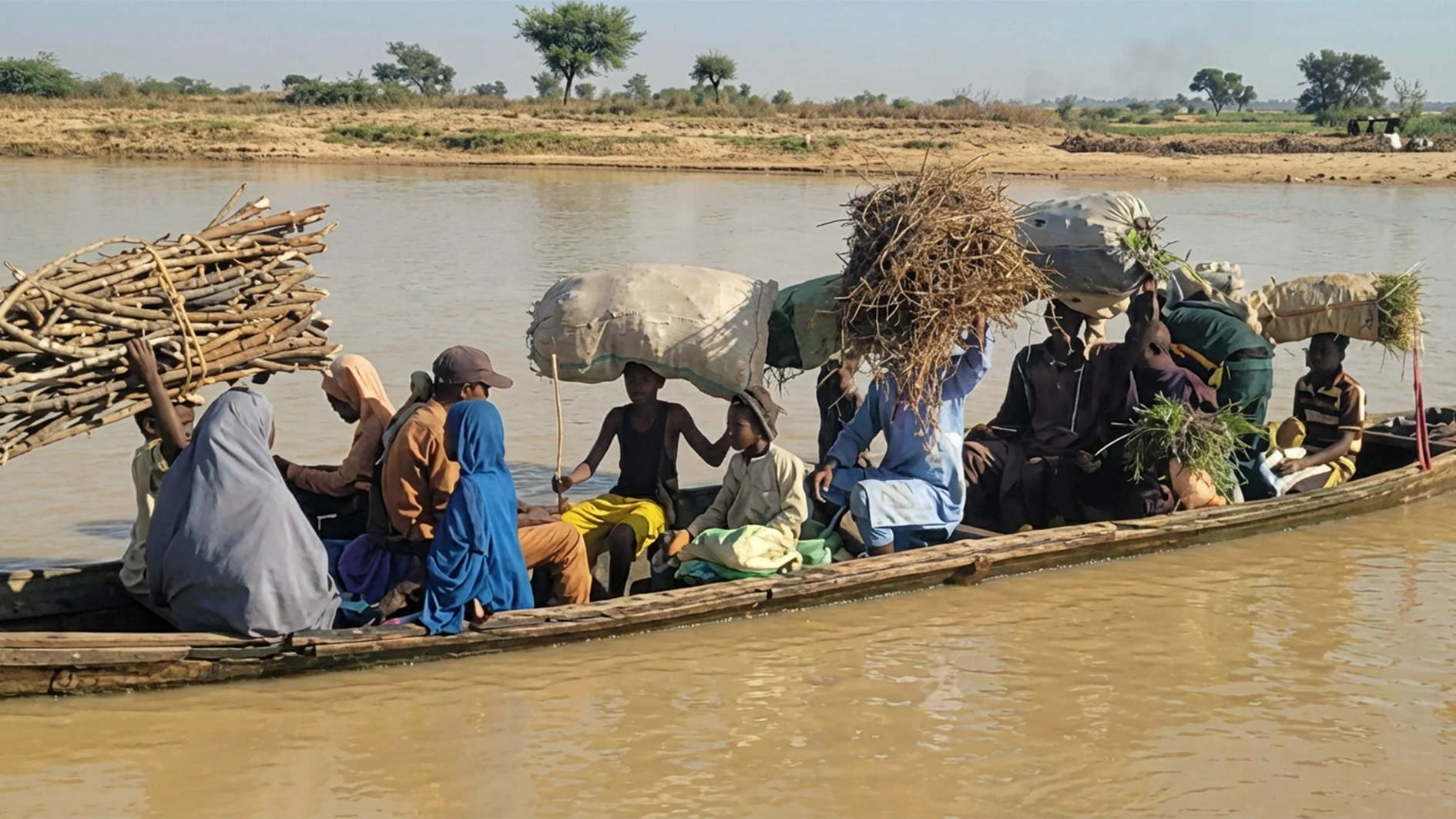
The news of multiple boat mishaps recorded in Sokoto State between August and October 2025 may have faded from public attention despite attracting global concern. But for families in affected communities, the deaths, trauma, and unanswered questions continue to haunt survivors. TUNDE OMOLEHIN reports.
• Crossing River Means Death To Us – Survivors
• Our Waterways Are Safe, Insists Bello Bala
Until recently, the 70-year-old Abdullahi Maitaro had no reason to worry about the Gulumbi River. Its calm and quiet flow was never perceived as a threat to the residents of Dundaye, his community.
Maitaro, who holds the title of ‘Sarkin Ruwa’, which means the custodian of the river, recounted fishing by the river bank in his youth. “When we were young, the rivers weren’t a treat to us. We navigated the waterway with ease to connect Sokoto city; that was between the 70s and 90s,” he said.
Last year August, the river caused grief in Dundaye, as five people lost their lives in a mishap on the waterway, while 15 others were rescued through the combined efforts of the community and emergency officials.
The wooden boat was said to have been conveying teenagers and some elderly people from the village who were hired for manual labour on farms along the riverbanks. A 60-year-old man was among the dead.
The 19-year-old local captain, Nasiru Murtala, who sailed the ill-fated boat in his account told The Guardian how he lost control as a result of violent waves some meters away from the destination point. He noted that the strong waves made him to disperse his passengers, who were already fretting, into the moving water.
“On that day, my long-term perception of this river changed. Losing human lives in a river I so much cherished and made a living from as a fisherman for decades was something I couldn’t believe,” said Abdullahi.
Among the hardest hit was a 52-year-old Janidu Malami, who lost his 16-year-old son in the river. The bereaved father had boarded the ill-fated boat enroute to his rice farmland across the river. “At the river, I noticed the boat was overcrowded with passengers on board. But the sailor assured us of the safety. Suddenly, the boat capsized and sank. Those that could swim escaped.”
While Malami survived the accident, his son lost his life. “This is something that I will never forget till I die. Whenever I remember him, I feel very sad.
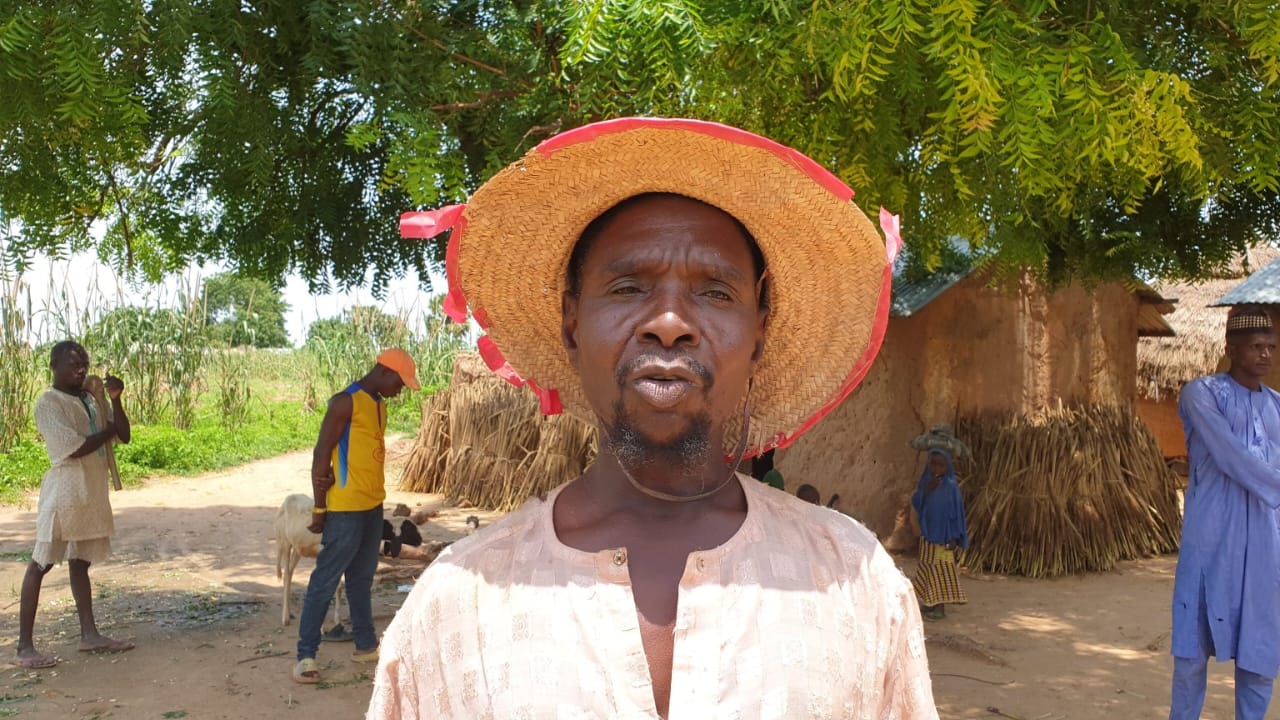
“He was a hard-working boy who always wanted to assist me. Before he died, he had been saving money from his sugar cane business, which he wanted to use to farm. Though he was a young boy, he was one of the best among my children. He was always looking for ways to support me,” he said.
Counting The Dead
Dundaye community is not the only one that has suffered, several communities in Sokoto have battled serial boat capsizes. The most recent occurred in August 2025, when some traders lost their lives on their way to the weekly market in Kojiyo Village, Goronyo Council of the state .
In previous years, a wooden boat carrying over 30 people had capsized on the Dundeji waterway in the Shagari Council of the state.
Muhammad Adamu, a 40-year-old whose 20-year-old daughter was preparing for her wedding, was among the dead.
According to the bereaved father, “seeing my daughter’s lifeless body being removed from the deep water was the saddest moment of my life that day.”
He said the sudden demise of his daughter had left him in a state of disarray owing to poor health conditions as a result of trauma from the loss.
Also, Aliyu Sani, a father of 10, had just returned from his farm and was about to take a rest for the day when he was informed that some children had drowned in the community river. Upon his arrival at the riverside, Sani discovered some of the victims were his children.
“It was the saddest moment of my life, seeing my children’s lifeless bodies being removed from the deep water,” he recalled.
Recounting the sad moment, Sani said two of his children had left for a nearby village in search of firewood for the household but never return alive. The bereaved father said their sudden demise had left him and his wives in disarray with one of the wives battling illness for a while as a result of trauma from the sudden loss.
His neighbour, Maka’u Dangado, was not lucky also, as his two children drown in the river alongside that of the Sani. “Since there was no school in our community, they usually go to inland areas and search for firewood for commercial purposes. Unfortunately, that day was their last outing. “Their deaths have caused us more pain than ever,” the bereaved father explained.
Suliman Gidan-dare, a local sailor who paddled the ill-fated boat, told The Guardian how he lost his eight-year-old daughter in a similar boat accident in 2023.
“It took the effort of some local divers who rescued me, but none of my passengers survived, including my eight-year-old daughter,”
‘Crossing River Means Death To Us’
A 40-year-old farmer, Musa Adamu said crossing communities within waterways could mean a death lurking around for the vulnerable persons. He said two of his seven children who were crossing on a boat at Gidan Magana in Shagari Council of the state, had shared in the deaths.
Musa recounted how the death of his children had affected his wife’s mental health. “Owing to the pains of losing two children in a day made her lose memories for some days, “ he explained while taking The Guardian across the riverbank.
In 2020, at least 13 people lost their lives when a boat ferrying wedding guests capsized at Doruwa village.
Residents say most of the victims were women, children, and elderly persons who were identified as wedding guests accompanying a new bride to her husband’s hometown across the river as part of traditional rite.
“A similar incident occurred at Dangawa village, with seven people dead. The majority of the victims were farmers and labourers working for a large-scale farmer across the river,” said Aminu Magaji, a 30-year-old local fisherman.
In 2021, 13 people lost their lives in another boat mishap at Doruwa village. The ill-fated boat was said to be travelling from Doruwa to Ginga village with women and children onboard when it capsized.
In 2023, 15 people died during a similar boat accident in the area. There were 25 people in the boat sailing to Mauludi village before the accident happened, while in 2024, 29 persons, among them a bride-to-be, died in a similar accident at Gidan Magana while crossing the river to a nearby bush to fetch firewood, which they sold in their community.
The scenes of devastation in Sokoto communities are a major cause of loss of lives on the waterways. They replicated the plights of riverine communities across Nigeria, at the mercy of flood impacts in the past years, while authorities took less action to curtail the traumas that followed.
For years, these communities have remained vulnerable to recurring floods, suffering widespread destruction of homes, livelihoods, and infrastructure provided by both government and communities’ efforts.
Data from Nigeria Watch underscore the severity of the situation. Between June 2006 and May 2015, at least 1,607 lives were lost in 180 recorded boat accidents across the country. The trend has shown little improvement over time, as evidenced in 2020, when approximately 350 people reportedly died in boat-related accidents nationwide.
In Sokoto, at least eight cases of boat mishaps have been reported within the Sokoto coastal communities, resulting in no fewer than 80 deaths between 2020 and 2025.
These incidents relate to a statistic from the Nigeria Safety Investigation Bureau in 2023, revealing that more than two-thirds of all boat fatalities are drowning incidents, and 90 per cent of these victims did not wear Personal Flotation Devices (PFD), including Life Jackets.
Residents interviewed by The Guardian say absence of safety equipment and modern motorised boats navigating their waterways have resulted to the cause of most boat accidents while government interventions to mitigate the impacts have remained largely inadequate until recent time.
Climate Change And Deadlier Rivers
Climate experts say these tragedies are no longer isolated accidents but symptoms of a changing environment. Dr. Amina Hassan, a climate scientist at Usmanu Danfodiyo University, Sokoto, explained that rising temperatures and erratic rainfall have altered river behaviour.
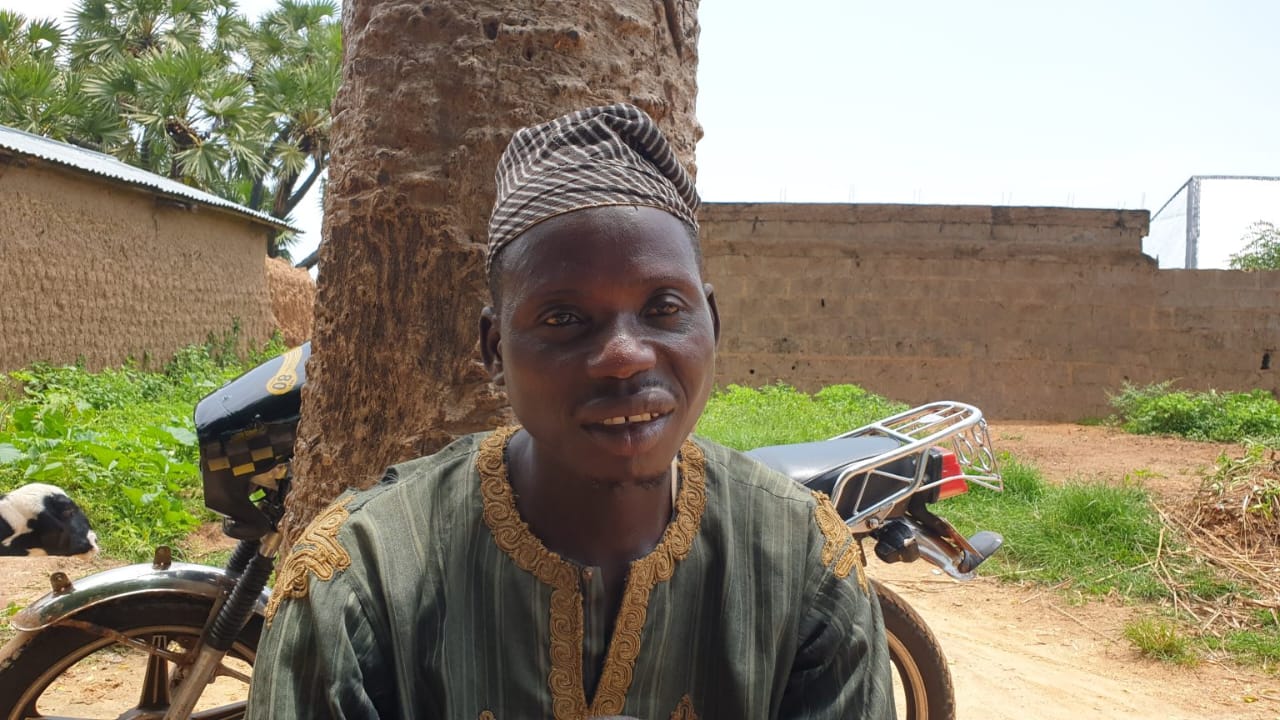
“Climate change has increased the intensity of rainfall in northern Nigeria. Rivers that were once calm now experience sudden surges, strong undercurrents, and unpredictable waves,” she said.
According to her, flooding linked to climate change has widened river channels and weakened riverbanks, making traditional wooden boats more vulnerable.
Environmental analyst, Prof. Ibrahim Jega, added that deforestation and sand mining along riverbanks worsen the situation.
“When vegetation is removed, rivers respond violently to rainfall. What communities are experiencing now is a combination of climate change, environmental degradation, and poverty,” he said.
He warned that without urgent intervention, disasters would intensify as climate extremes increase.
How Safe Are Nigeria’s Waterways?
As most residents blame the lack of modern motorised boats, safety gear, and proper river infrastructure. Muhammed Bello Bala, Area Manager of the Nigeria Inland Waterways Authority (NIWA), Sokoto Office, insists waterways remain the safest mode of transport globally when safety rules are followed.
He outlined measures taken to reduce fatalities, including sensitisation campaigns, collaboration with emergency agencies, distribution of life jackets, enforcement of safety laws, and training of boat operators.
“We have distributed over 1,000 life jackets across Sokoto, Zamfara, and Katsina. Boat drivers who violate safety regulations face sanctions, including bans and reorientation on safety precautions,” he said.
NIWA has also introduced River Marshals to enforce compliance and scheduled multiple safety-training sessions for boat operators in the state.
On his part, the State Commissioner for environment, Hon. Nura Tangaza says the current administration is making efforts in ensuring a safer waterway across the state, with the procurement of 22 modern boats and 2,000 life jackets disbursed across riverine communities.
He noted that no government would fold its hands to see citizens losing their lives without taken action. “The governor is deeply concern about the serial boat accidents in the state, and taking concrete steps to mitigate it.
You have seen the procurement of new motorized boats and safety equipment. We are also going to create awareness on waterway safety and its climate adaptation within the riverine communities to ensure a safer waterway,” Tangaza said.
However. public analysts like Dauda Abubakar warned that unless climate adaptation measures such as safer early-warning systems, river dredging, and alternative transport routes are prioritsed among rural dwellers by the three tiers of governments, river crossings will continue to claim lives.

