
GDN SIDEBAR
At 75, maritime entrepreneur and marine engineer Greg Utomwen Ogbeifun reflects on building Starzs from scratch, shaping indigenous shipowning, and why discipline, competence, and national unity still matter in business.
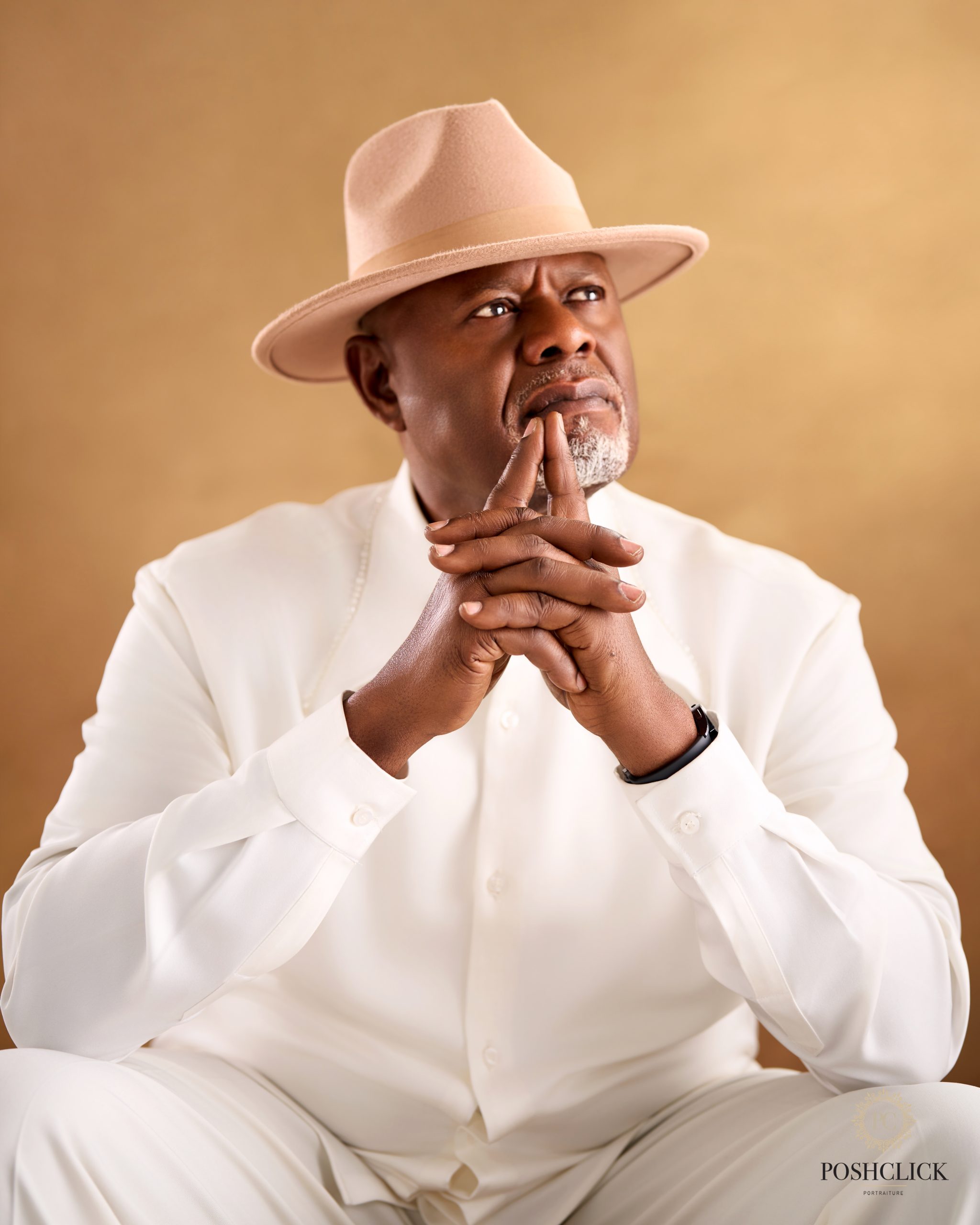
If the name Greg Utomwen Ogbeifun sounds unfamiliar, you may not follow Nigeria’s business circles closely, or the maritime sector, where the savvy businessman has spent over five decades building a solid reputation for technical competence and enterprise.
From owning a single vessel, his fleet grew to 11 ships through years of sustained planning and disciplined expansion, after a career setback that nearly truncated his trajectory. Rather than wallow in self-pity, like the phoenix, the Edo State-born shipping magnate floated his own company, Starzs Investments Company Limited, in July 1986, at 35. Without strong financial backing, Ogbeifun leaned on expertise, professional credibility and grit, taking his future into his own hands.
From an early profit of ₦120, the company has grown into a multibillion-naira organisation in assets through flourishing investments across sectors. Today, he is an accomplished marine engineer, marine consultant, Blue Economy expert and a successful entrepreneur.
He is Chairman of Starzs Investments Company Limited, Eaglewatch Security Limited, Starzs Gas Limited, Diverse Autocare Centre Limited, Maritime Shipping and Ocean International Resources Limited, Cee-Jackson Apartments, and Managing Director/CEO of Starzs Marine and Engineering Limited.
He is also a member of several professional bodies, including the British Society of Marine Consultants and Ship Surveyors, the American Society of Naval Architects and Marine Engineers, and a Fellow of the Chartered Institute of Logistics and Transport (FCILT), and a Fellow of the Chartered Institute of Directors (FCIoD). He serves on the Governing Council of Igbinedion University, Okada, Edo State, and on the Advisory Board of the Commonwealth Enterprise and Investment Council (CWEIC). He was recently elected President of the Edo College Old Boys Association Worldwide.

The accomplished businessman is also a member of the Board of Trustees of the Association of Marine Engineers and Surveyors and a member of the Lloyd’s Register of the Middle East and Africa Advisory Committee. In recognition of his status as an authority in the shipping business, Ogbeifun was elected the pioneer President of the Shipowners Association of Nigeria (SOAN) and has equally received many international and national awards, including Global Star (2023) by the Association of Marine Engineers and Surveyors, Award of Excellence for Industry and Community Leadership (2023) by the Midwest Herald Community Newspaper, and the Maritime Industry Icon award by the Offshore Maritime and Industry Safety (The OMIS). His expertise, knowledge, and counsel are sought after by leaders in the maritime industry at the management, board, as well as state and federal levels.
He has served on presidential and ministerial committees, worked with government agencies, and presented many papers within and outside Nigeria on crucial maritime issues. He is the author of two books: Potentials of Nigeria’s Maritime Economy and Not Always Easy – My Voyage from Obscurity.
With a passion for impact that has fuelled the birth of several companies, Ogbeifun, a family-oriented man, has over 1,450 Nigerians employed across his businesses. As he turns 75 on Wednesday, February 11, 2026, he speaks with Guardian Life about his journey from obscurity to becoming a maritime icon in Nigeria.
You are celebrating two milestones: Turning 75 and the 40th anniversary of your company. How do you feel?
Celebrating two milestones simultaneously is like recognising and honouring two significant achievements, transitions, or turning points in a person’s life and career. This couldn’t have come at a better time, considering my life’s trajectory and how I navigated through the help of God Almighty to reach this point. I feel grateful to God, and I feel fulfilled. I studied Marine Engineering by divine arrangement because I got two scholarships to study in the United Kingdom at the same time: one from the Federal Government and the other from Shell Petroleum Development Company (SPDC).
Marine engineering is like a window that opened my eyes to other professional opportunities. Ironically, I didn’t set out to become a ship owner. It happened by chance when I lost my job. That was a moment of transition, immense growth, and profound clarity. And like the renowned author of Harry Potter, J.K. Rowling, once said, rock bottom became the solid foundation on which I rebuilt my life. So, some doors only open when they are forced open. Mine was forced open after I unexpectedly lost my job at a company where I thought I had put in my best.
Losing a job triggers intense feelings of shock, anger, sadness and anxiety, similar to mourning a death, impacting self-worth, routine, and future security. At the same time, it can become a catalyst for personal growth with healthy coping mechanisms like self-reflection, maintaining structure, and seeking professional help if needed.
In my own case, it was a turning point. I was full of life: I was a 35-year-old young man, ambitious and ready to take the bull by the horns. I refused to rely on the success of the past. I knew the circumstances were unfair and that I had devoted my energy to my job, and I felt that if this is what I get from working for an organisation, then I was not ready to work for any organisation anymore. I decided I would apply myself to providing service in my industry, and that was the driving force: to provide service at an international standard and provide a platform for young people like me to know that if one is diligent and does things the right way, the right results would come.
I floated Starzs Investments Company Limited in July 1986. And 40 years after, here we are, because when God has destined you for greatness, and your heart is in the right place, one is bound to achieve the expected breakthrough.
What was the beginning like?
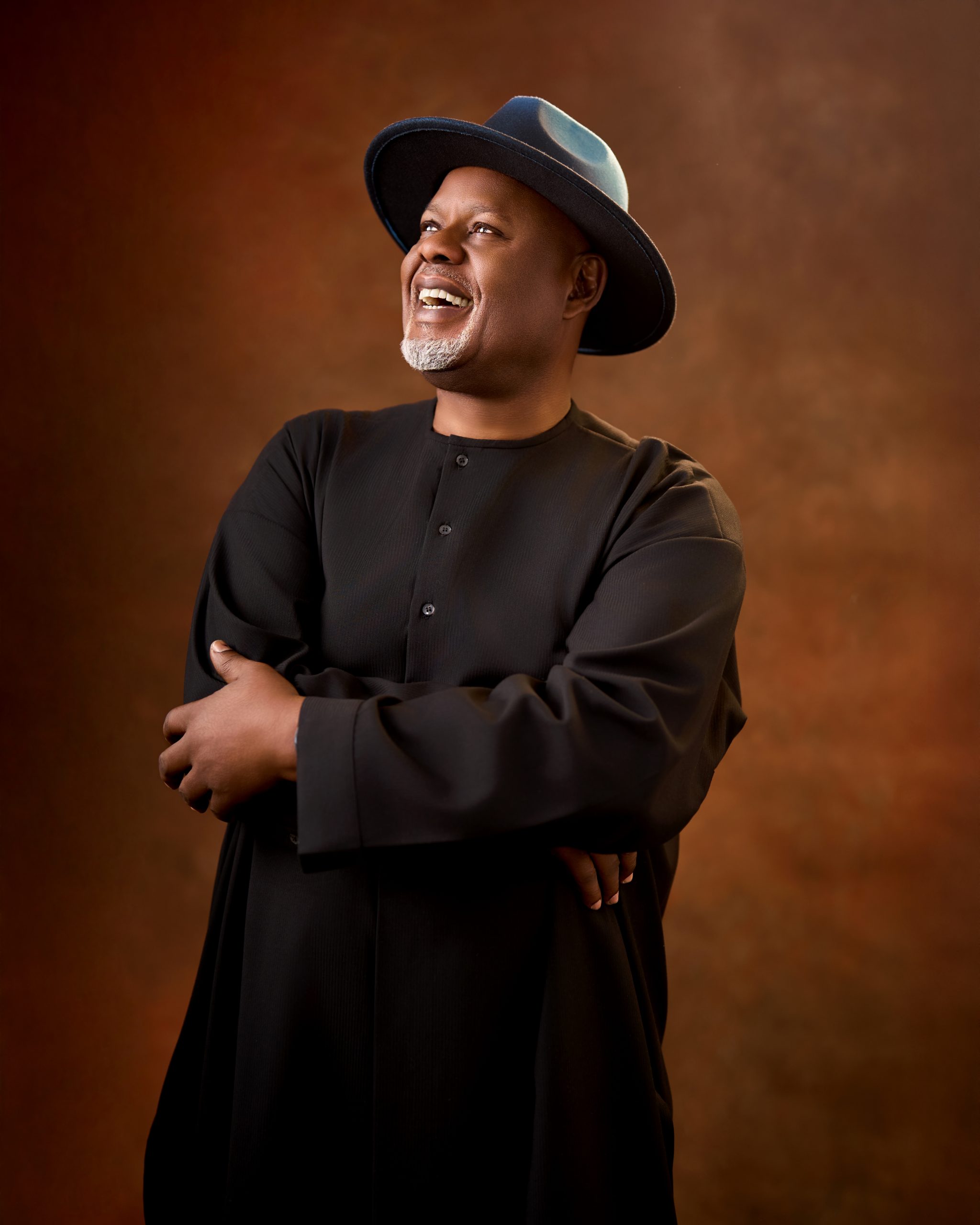
Honestly, it was not easy, literally starting from scratch. It was a moment of re-invention, an accelerated journey built not on new skills but market shifts and the need for improved awareness of the world of work. I didn’t have the money to start buying big and heavy equipment. I made things easier for myself by concentrating on jobs related to marine engineering and ship repairs. I immersed myself in my new role by applying all previous experiences, skills, and professional maturity I had capacity for. I had to provide services that would set me apart.
I put the past behind me and forged on, and within a short period, individuals and corporate organisations started paying attention and noticing my efforts, particularly the IOCs (International Oil Companies). ExxonMobil, Shell, Total, and others gave me early breakthroughs. These companies began to utilise my skills frequently. I would carry out inspections, deliver reports, and make recommendations linked to professional advice, and they paid me well.
Back to your question, I feel a deep appreciation to God Almighty for preserving my life to celebrate 75 years on earth and the anniversary of my businesses decades after.
You were born and raised in Aba. How would you describe your growing up?
My parents were Binis from Benin City, then part of the Western Region, but they lived in Aba. My father was in the Federal Civil Service as a carpenter in Aba at the time. In those days, government workers were frequently transferred from one part of the country to another. In fact, Cameroon was once part of Nigeria, so Nigerians worked there too.
My parents lived in Aba, but I was born in Benin City, which was a huge celebration in a household where the previous wives all had female children. Of course, in those days, there was no way of knowing the gender before the delivery. My mother travelled to Benin to give birth to me, and when I turned out to be a boy, it was a celebration for an entire week, as I was told. This was on February 11, 1951, and a few weeks after my birth, my mother returned to Aba, where I grew up. I began nursery education in Aba until 1958, when, at age seven, my father was transferred to Enugu, where I had my primary school education.
You grew up in Aba before the civil war. How did that early sense of national unity shape your outlook on leadership and nation-building today?
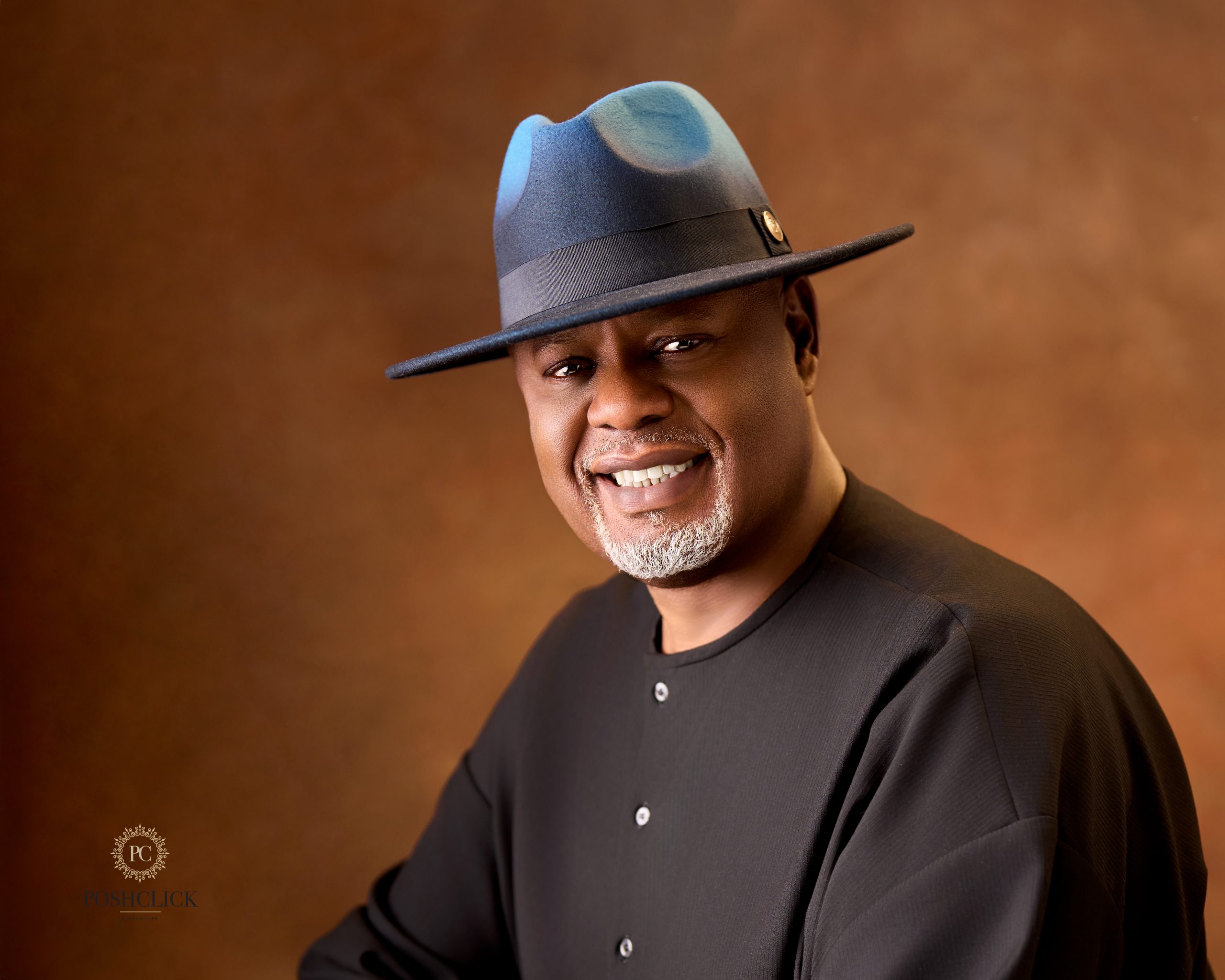
Well, national unity regarding leadership and nation-building emphasises a shift towards inclusive, sacrificial leadership that prioritises national cohesion over ethnicity or regional interests. So, that early sense of national unity of a young boy raised outside his parents’ domains, for me, promotes unification of the people, helps maintain peaceful co-existence, equality, and development. This helped maintain the four pillars or factors promoting national integration in terms of cultural diversity, political stability, economic development and education, which, if well harnessed, are bound to enhance nation building.
In Aba, it felt like a mini-Nigeria because we mixed with Igbos, Hausas, Yorubas, and others. As children, we had no idea where we came from; we just knew we were Nigerians. There was no tribal sentiment. I remember particularly when I got older and went to Enugu, we were so entrenched in the Igbo lifestyle that I used to win Igbo dancing competitions. It got to the extent that I would wear the masquerade costume during Christmas ceremonies, which was reserved for the person who won the dancing competition. So, here you had a Benin boy who was so good at Igbo dance styles that he played the role of masquerade during ceremonies like Christmas. We went around households and neighbourhoods dancing. They would give us money and sometimes rice on Christmas Day.
We never knew the difference between who was a Northerner, Southerner, Easterner and Westerner until the war broke out. And when my father told us that we were going home, the question was: “Where is home?” He said we were actually from Benin City. America operates a federal system of government, and it has worked so well that a New York native, after living in another state within America for a certain period of time, can contest an election without facing any stereotypes. We pray that Nigeria will get there.
And how did such a beginning shape your business approach?
It had a significant positive influence on my career growth and innovation. I had that foundation in the East and became rooted in the industrious lifestyle of the Igbo people. I speak Igbo more than I speak Bini even now. My mother, who died at 100, also spoke Igbo more than Bini till she died. So, when it comes to decisions on employing people, tribal sentiments have nothing to do with it whatsoever. I am a Nigerian to the core.
In all my businesses, the board of directors represents different parts of the country. I have constantly preached that ethnic sentiments should not control our lives. So far, it has helped us to put together the best personnel, irrespective of where they come from.
How did your father’s discipline and work ethic as a civil servant influence your own approach to business and management?
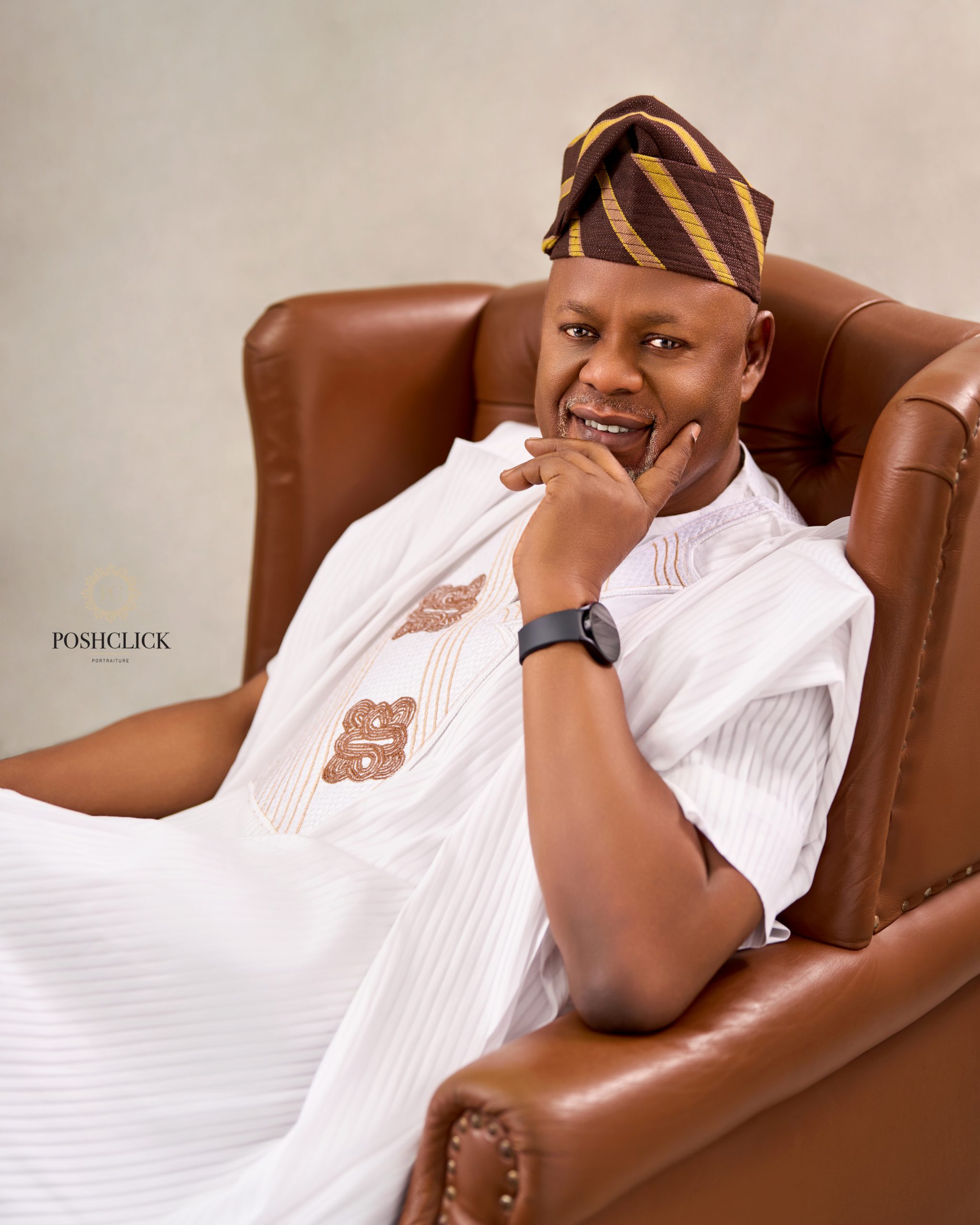
It is common knowledge through daily routine observations. A father’s disciplined life influences a future approach to life endeavours (and not just by providing immediate needs for his family) but by embedding essential, intangible assets such as resilience, strategic planning, and integrity into his child’s professional character. This upbringing acts as a foundation for long-term success, often resulting in a superior work ethic, the ability to prioritise delayed gratification, and a structured approach to operations.
My father started as a carpenter, as I mentioned earlier, and retired as an Assistant Technical Officer in the civil service in 1970 or 71 after we returned to Benin City. This was a man who never went to school for even a day, but diligence, hard work, integrity, honour and respect for rules and regulations were his watchwords. My father would ensure he was up in time, got his clothes ready, got his bicycle cleaned, got his yam wrapped for lunch, and then jumped on his bicycle to ensure he was at work at the dot of the time work would start. And my father would stay in the workplace till the closing time. His commitment to duty paved the way to his rise in the civil service. He embraced that foundation of discipline at work to every level until he eventually retired. He maintained that, and that was all we knew and saw. And naturally, that was bound to influence the way we also run our lives today.
My father was a diligent man, and that left a profound influence on my life and business trajectory. He was the president of the Benin Union in Enugu, so I found myself later in life becoming president of various organisations. So, absolutely, there must have been some kind of influence on the attributes that stood him out that I may have imbibed, consciously or unconsciously.
You have often spoken about your humble beginnings. At what point did you consciously decide that poverty would not define your future?
Well, it is a mindset and a commitment to ensuring that a disadvantaged upbringing or present struggle acts as a starting point, not a permanent ceiling. This concept is rooted in the idea that being born to parents who are not ‘financially buoyant’ is not a personal choice and that breaking from it is achievable through intentionality and effort. This requires moving from a poverty mindset of limitation, scarcity, and feeling like a victim to a growth mindset of belief in potential, opportunity and growth. Here, you are in control of your future actions, decisions and outcomes.
My father died at 98, but he often recollected what my ambition was as a child, and he would tell me before he passed on that I knew what I wanted from childhood. By the time my life’s trajectory was tilting towards the edge of success, he was very proud of me. One day, my father told me that when I was a child in Aba, from the age of five, I used to look at him and my mother in the face and tell them that I would go to school to study so that I would be rich and take care of them. As small as I was then, he said I believed in education for liberation and financial freedom. I remember we used to carry a slate on our heads as pupils in those days. At that age, I could not relate books to wealth or riches, but I just knew that education would place you on a higher level in life.
So, at what point did I think I needed to be rich? None at all. Up till now, I don’t have any regard for the word, rich. I don’t think I am rich. I actually don’t think anybody is rich; we are just endowed by God. I believe your productivity and input would determine your output. I believe in hard work, and I know that when you work hard, the returns will come, even as a company. So, I don’t have the word, rich, in my dictionary.
What personal sacrifice did you make in your early career to acquire the technical competence that later distinguished you in the maritime industry?
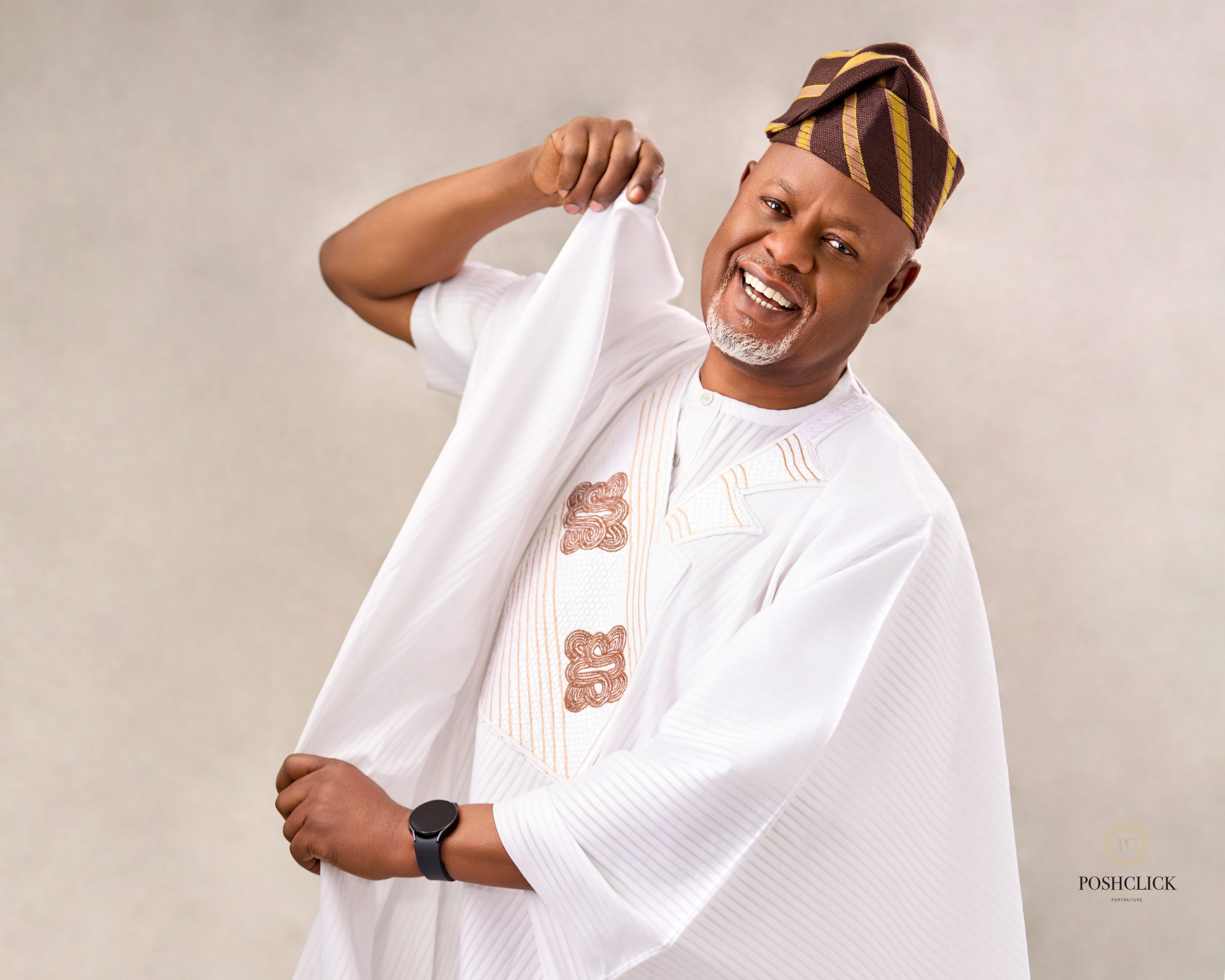
These character traits often involve a conscious decision to prioritise long-term growth, service, or skill development over immediate comfort or social life. I set out early in my career to gain experience, which later translates into expertise. First of all, I made sure I took advantage of the opportunity I had by accepting the scholarship I got from Shell Petroleum Development Company (SPDC) to go to the UK to study a professional course in Marine Engineering, because the Shell scholarship came with a monthly salary.
I put my heart and soul into the opportunity by having myself trained to the highest level of marine engineering. And that’s how I ended up with a First-Class Certificate of Competency in STEAM and MOTOR. With all sense of modesty, I think in Nigeria today, I am the only Nigerian who has that certification. STEAM stood for Steam Turbine Driven Ships, and MOTOR for diesel engine-driven ships that you have today. So, I was an authority in the industry to reckon with by the time I finished, and I was employed by a British firm in Kuwait, and the same company brought me back to Nigeria in 1983. I came in already at the level of top management. With all sense of modesty, again, my training gave me an edge because I had authority and ability to influence the way things were done technically and all of that. I never dreamt of being a businessman. My father was never a businessman. So, I have always seen myself as a professional in the field of engineering.
As a player in the shipping industry, Nigeria’s tax regime is often cited as unfriendly to ship owners. Which specific policies do you believe are most damaging to indigenous shipowners?
Policies damaging to indigenous shipping often involve unfavourable fiscal/tax regimes, lack of targeted support (credit, infrastructure), restrictive cabotage laws, and insufficient promotion of local participation, leading to high operational costs (maintenance in foreign currency) and inability to compete with foreign vessels, as seen in Nigeria, where policy gaps hinder growth despite potential. For instance, in 2018, I commissioned a brand-new ship that we built in China called M.V. Osanyanmo. It took about three years to build, and it cost $18 million.
As a patriotic Nigerian, I decided that once the ship was fully ready, it must comply with all national requirements to make it a Nigerian ship: registered in Nigeria, owned by a Nigerian company, flying the Nigerian flag and with Nigerians as the crew members. I flew a Nigerian crew to China to go and bring the ship to Nigeria. You know what? I had to pay a total importation cost of 14% of the $18 million. That ship had a five-year contract, against which the bank funded it. My foreign counterparts who were coming to do similar jobs with their foreign ships in Nigeria were only required to post 1% customs bond of the value of their ship. I said post, not to pay. So, from day one, you are at a disadvantage being a Nigerian by complying with Nigerian law, which says that you will pay importation duty that a foreigner is not required to pay. Remember, we both have to compete in the same markets and have to bid for the same contracts. That is what Nigerians are suffering. So, in the national policy that was presented and recently approved by the Federal Executive Council, we made a strong case about this and what other countries are doing with regard to tax, which is zero duty and zero VAT. That is, all those things that make it difficult for you to operate are waived in other climes because you are bringing it in, you are creating jobs, you are bringing the money, you are doing it in the country. In our own case, the reverse is the case.
How has multiple taxation impacted fleet expansion, vessel maintenance, and competitiveness in the Nigerian shipping community?
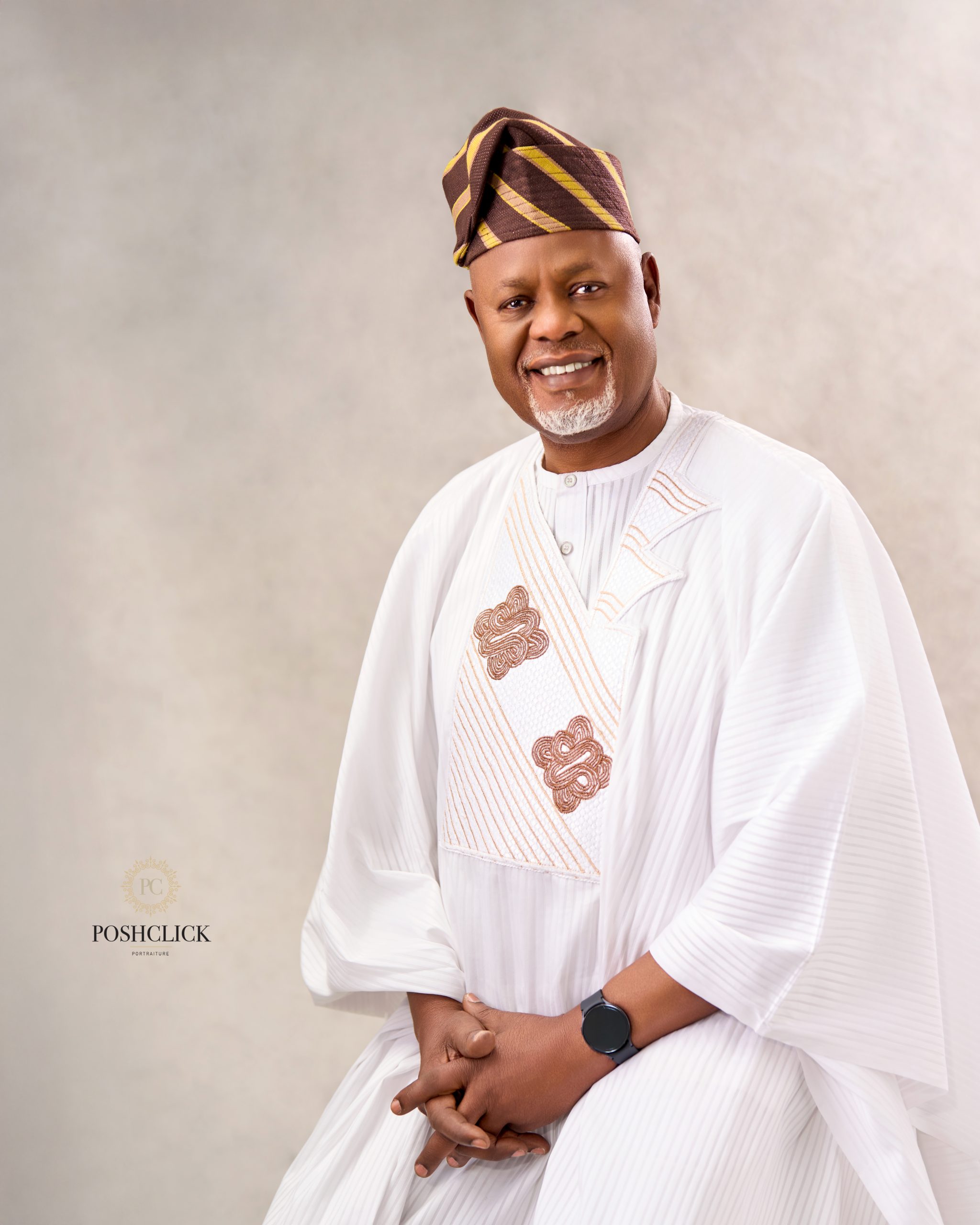
Multiple taxation, particularly within Nigeria’s transportation and logistics sectors, has profoundly hindered fleet expansion and cripped business competitiveness by drastically reducing available working capital, inflating operational costs, and introducing high levels of uncertainty. This imposition of various taxes has created a hostile business environment that disincentivises investment in new assets.
Again, I will give you another instance. During the last administration, the Minister of Transportation, Hon. Rotimi Amaechi, decided to take the bull by the horn to see how Nigeria could go back to global trading in shipping. Amaechi formed a committee called the Fleet Implementation Committee, and I was privileged to be a member of that committee. He made it clear he wanted to support the private sector to re-establish global shipping. So, he invited our committee, and we went to Singapore with him, where he identified a company, PIL, an international trading shipping line that was also doing business in Nigeria. And we proposed to see how the company could partner with Nigerians to set up a shipping line. We signed an MoU with PIL, everything went well, and we came back to Nigeria. A week later, PIL wrote that the condition for the proposed initiative to work is for Nigeria to review its fiscal policy such that Nigerian ships registered and flying Nigeria’s flag should attract zero import duty like other nations in order to be competitive in the international market. Because of that policy issue, the partnership initiative could not come to fruition.
As a Nigerian and a private importer, you import cargo from China, and you are looking for the best freight you can pay for. So, you find out that in Nigeria, as a shipping line, you have to charge more freight than a foreign one to be able to meet all the tax(es) loaded on the business(es). The government, on the one hand, is directing the Nigerian Customs Service to maximise revenue generation. On the other hand, the shipping company is saying, ‘We can’t survive, we can’t employ people and can’t carry cargo; we are dying.’ So, it has to be a conscious thing by the president to set up a committee of the relevant agencies or ministries to assess reasonable taxes to enable businesses, including shipping companies, to survive. Today, I employ over 1,450 people in my companies. Possibly, the number will be higher if the companies are allowed to grow without the burden of tax(es). And a lot of private sector players are suffering from this, and most of them have had to go under and lay off workers because they could not compete anymore.
As a ship owner, what structural reforms do you suggest can help the sector compete globally?
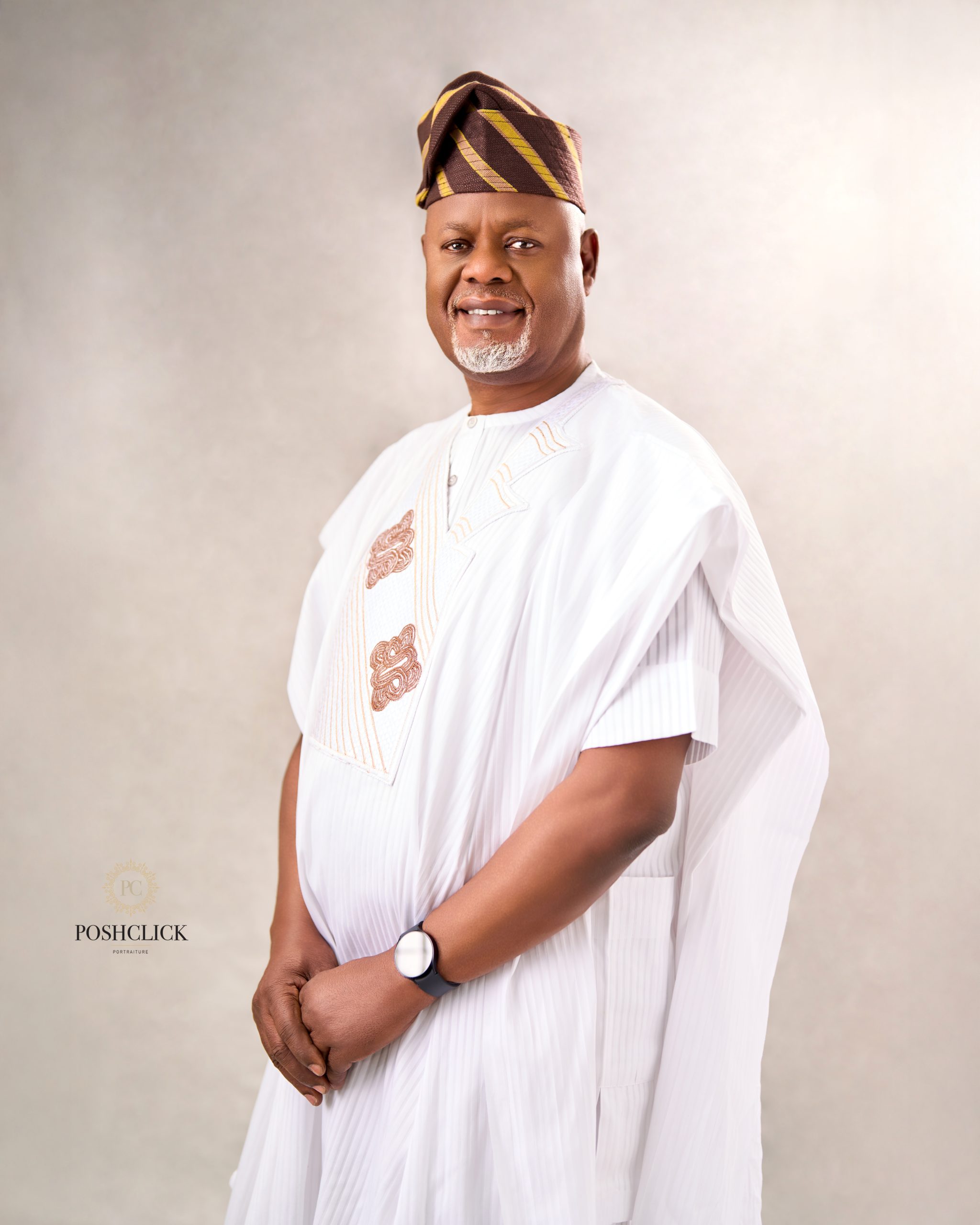
As of late 2025 and early 2026, the structural reforms pushed by the Nigerian Shipowners and industry leaders focus on dismantling foreign dominance, unlocking financing, and improving operational efficiency within the newly established Marine and Blue Economy framework. Key structural reforms currently being implemented or advocated for include: Establishment of the Nigerian Port Economic Regulatory Agency (NPERA), Abolition of Multiple Taxation and Levies, Inland Waterways and Coastal Logistics Integration, Modernisation of Regulatory Agencies (NIMASA/NPA), Strengthening Legal and Judicial Frameworks and Replacing Old Infrastructure. These reforms aim to move the industry from feeding on crumbs to becoming a major player in global shipping and intra-African trade under the AfCFTA.
With good policies and implementation, the Nigerian maritime sector will thrive. If you go to Dawse Island, near Onne Port, it is like a mortuary of ships, and most of the ships abandoned there are not old ships. They are new ships financed by various banks for owners to acquire. These companies went under courtesy of COVID, and subsequently, the banks have repossessed the ships. In other climates, like Norway, the government stepped in to assist their maritime sector to come back to business after the COVID pandemic.
As mentioned earlier, with the right policies, things will work out well. Nigeria is an import-focused country, particularly for the needs of the people directly. Ship owners will get busy by bringing in what the ordinary person relates to on a daily basis: the clothes you wear, the shoes, and so on. Therefore, it is critical that the Nigerian government supports the sector to go into global shipping competitively.
With over five decades of industry experience, how will you compare government engagement with ship owners then and now?
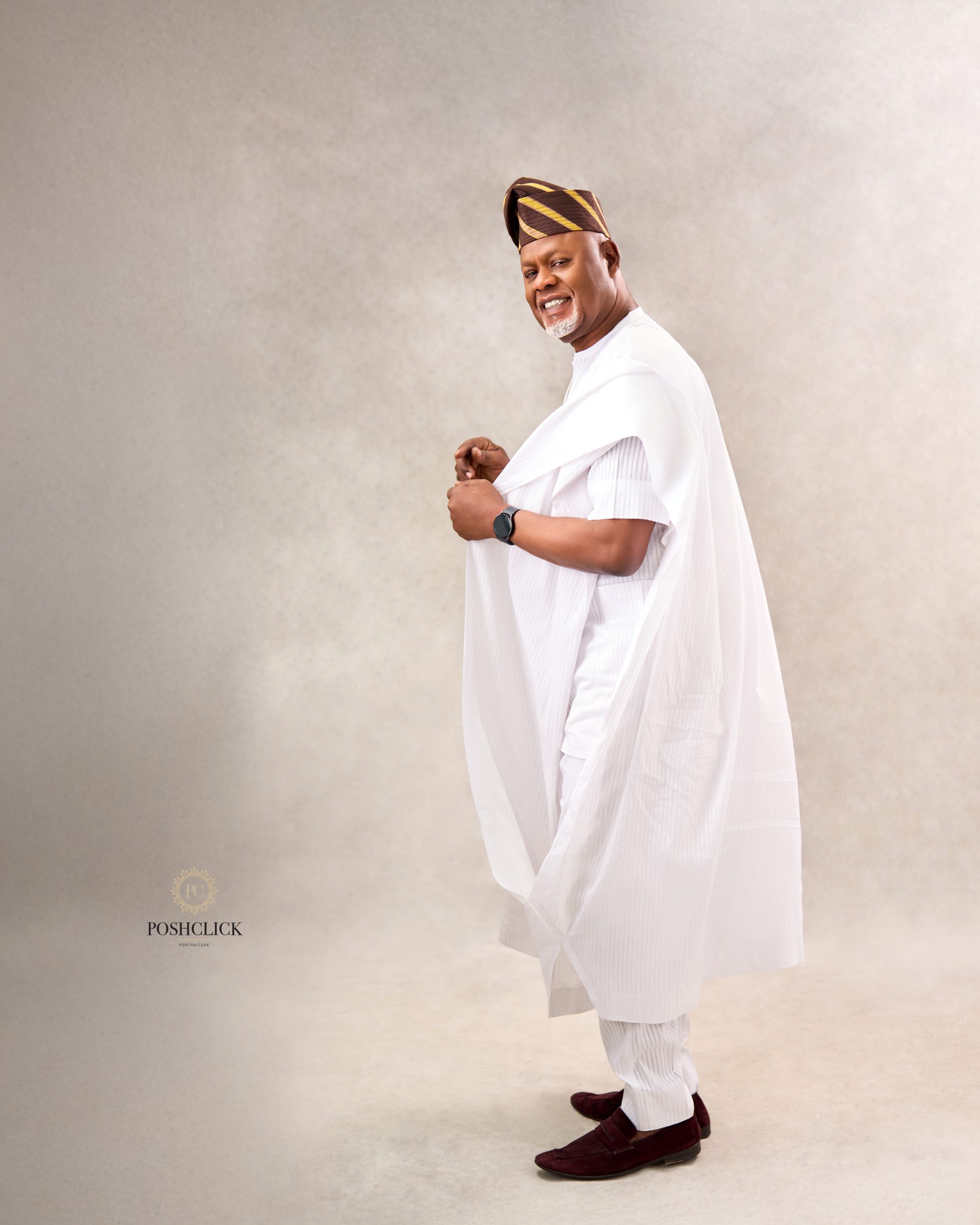
It has shifted from a historical focus to a modern focus on sustainability, security, digital and compliance. Through dedicated ministry, shipowners are now directly engaged by the government. It was a long walk to attain this. I was privileged to chair the first Maritime Expo in this country in 2011, called NIMAREX. In fact, I coined the word NIMAREX, an acronym for Nigerian Maritime Expo. At the opening ceremony, I called on the government of the day to establish a dedicated ministry for maritime shipping because of the potential in that sector. And I even suggested they should create a Ministry of Maritime Affairs. Every opportunity I had to speak as the President of SOAN, I kept making this call. So, when in 2023, His Excellency, President Bola Ahmed Tinubu, announced the creation of the Ministry of Marine and Blue Economy, I knew that the country had come to the realisation of the importance of this sector.
Further, the country became blessed by the appointment of a very erudite man, in the person of His Excellency, Mr Adegboyega Oyetola, as Minister for the new ministry. He has carried out a major restructuring of the maritime policies and issues relating to the maritime sector. There is hope now that the shipping and maritime sector in this country is going to begin to grow, to compete with the best in the world. The first sign of the outcome of the Minister’s efforts is the development and approval of the National Policy for Marine and Blue Economy, and recently, the re-admission of Nigeria as a member of IMO Security Council Category C, which had eluded the country for 14 years. But re-admitting Nigeria into category C of IMO is the beginning of the work to be done. This is the time that the country should actually roll up its sleeves and get the maritime sector to become more active so that it can justify the readmission in the first place. And one of the ways they can do that, I keep appealing, is that they should do everything they can to get Nigeria and Nigerians back into international trade through Nigerian ships flying Nigerian flags and registered in Nigeria. Then the world will respect us that we have come of age.
Along with this, your daughter, Iroghama, already the Chairman of the Technical Committee of the Shipowners Association of Nigeria, was, by dint of her hard work, appointed to the NIMASA Governing Board. How gratifying is this for you?
It is one of my biggest joys and legacies for me and the industry because her voice is even louder based on what she has achieved in her own right.
Beyond science education, there’s a greater emphasis on technology and especially artificial intelligence. In this area, how focused are your companies in this regard towards increased competitiveness for the future?
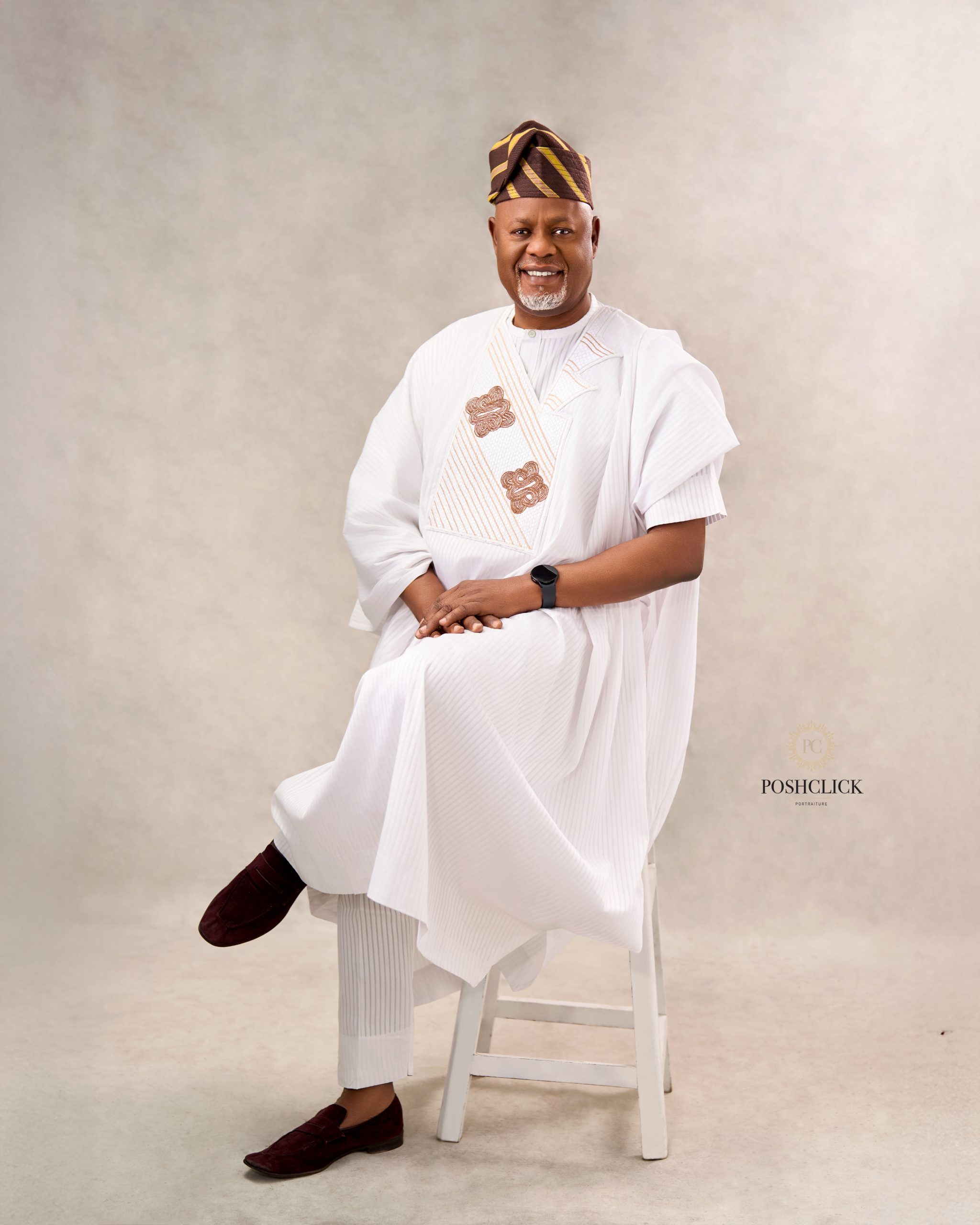
As a private sector player, I am proud to say that my companies are at the forefront of digitising and incorporating Artificial Intelligence in the way we conduct our business. And that is reflected in our performance, in our work, in our record keeping. Recently, our company was selected by one of the IOCs to go to their parent country to see how we can introduce some elements of AI in our shipping operations. That says a lot as the IOCs have noticed how serious we are with integrating new technology and Artificial Intelligence in our business.
So, as you approach another milestone, how would you like history to remember Greg Ogbeifun’s contribution to the Nigerian maritime industry?
The biggest one for me right now is the actualisation of the Shipyard Expansion Project, which, thankfully, Afrexim Bank has stepped in to fund. Lloyds did the market study for that, and they mentioned in their report that if the project is actualised, the facility will be unique in the Gulf of Guinea. So, if through my initiatives and efforts, we can establish a shiprepair and shipbuilding facility that is unique in the Gulf of Guinea, that means the whole world will get to recognise Nigeria as a hub for ship repairs. At the recent Africa Investment Forum (#AIF2025), which took place in Rabat, Morocco, Starzs Marine and Engineering Limited was invited by Afreximbank, the sponsor of the Project, to make a presentation on the Shipyard Expansion Project at the Boardroom of the African Development Bank (AfDB). The Project Manager for the Shipyard Expansion Project, Engr. Efosa Ogbeifun presented the project at the event. For me, that is a great legacy.
How do you maintain the agility of a 50-year-old?
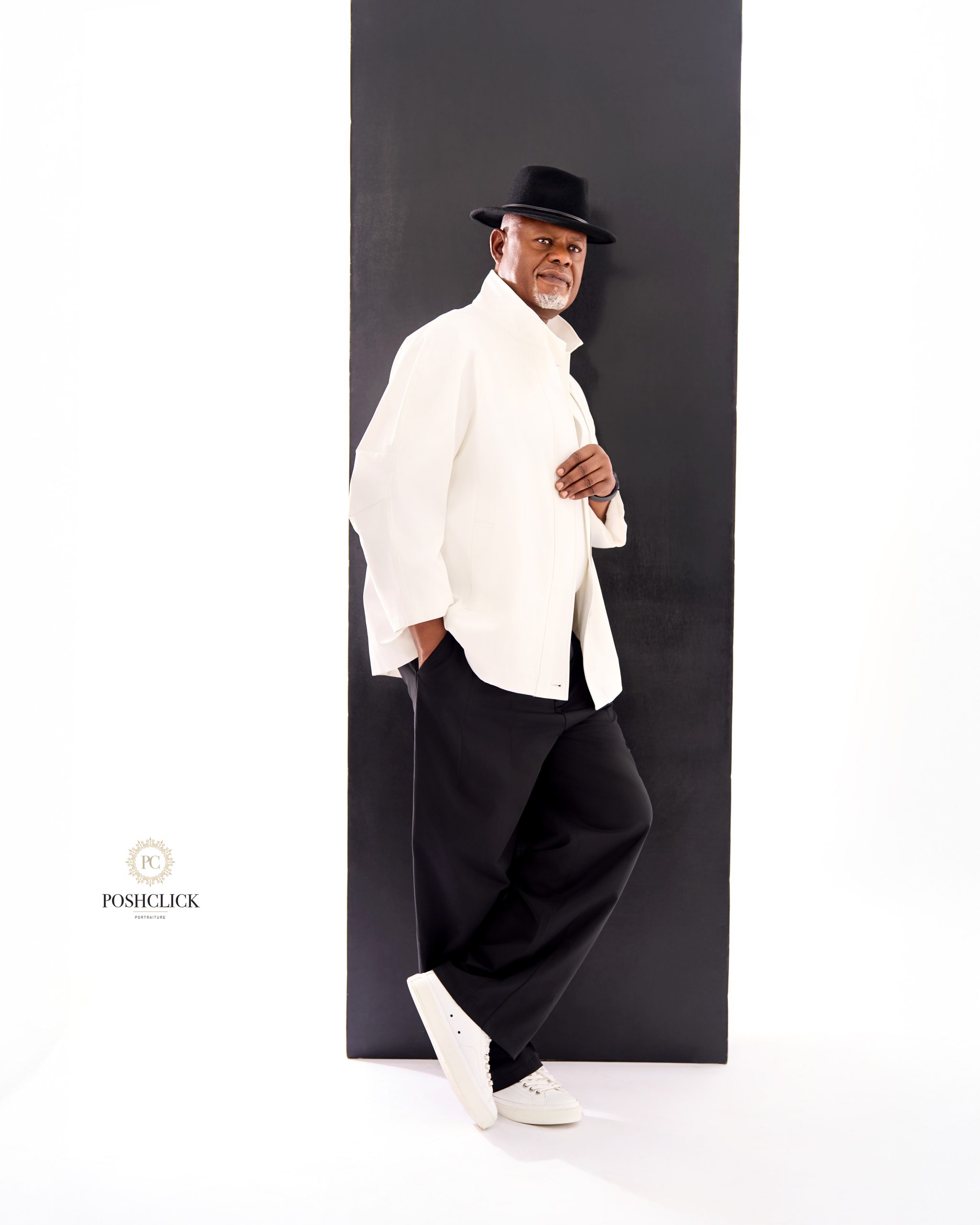
Honestly, it is by God’s grace that I inherited good genes from my parents. Again, I don’t worry about, nor let anything bother me. That is very, very key. I have fallen several times to level zero; I am not afraid to fail. I am not afraid to let anything go. That is important. I always endeavour to have peace of mind. I don’t consciously hurt people. Another thing that can make you age is insecurity. We are always looking over our shoulders. I am just ordinary. Very ordinary. I can enter a bus, and it won’t bother me. Basically, I enjoy the grace of God. I do routine health checks. I am very, very dedicated to checking my health condition. I track my vital signs to enable me to regulate what I should take or what I shouldn’t take. I also put myself on relevant supplements. So apart from these basic, fundamental things, I don’t do anything stressful. I don’t go to the gym regularly; I don’t play golf, and all of that. And I try to sleep well when I can. I regulate my activities. I don’t live other people’s lives; I live my own life.
Do you have memorable events which remain with you?
At 75, indeed, there are several memorable events. From the event of having my 8 children, to the event of graduating through various levels of educational and professional achievements with appointments at different levels, to the commissioning of a number of projects. But the most important and memorable event that I have had is the day I gave my life to Christ in July 1991 at the age of 40, which confirms the saying that life begins at 40.
What is your view on succession?
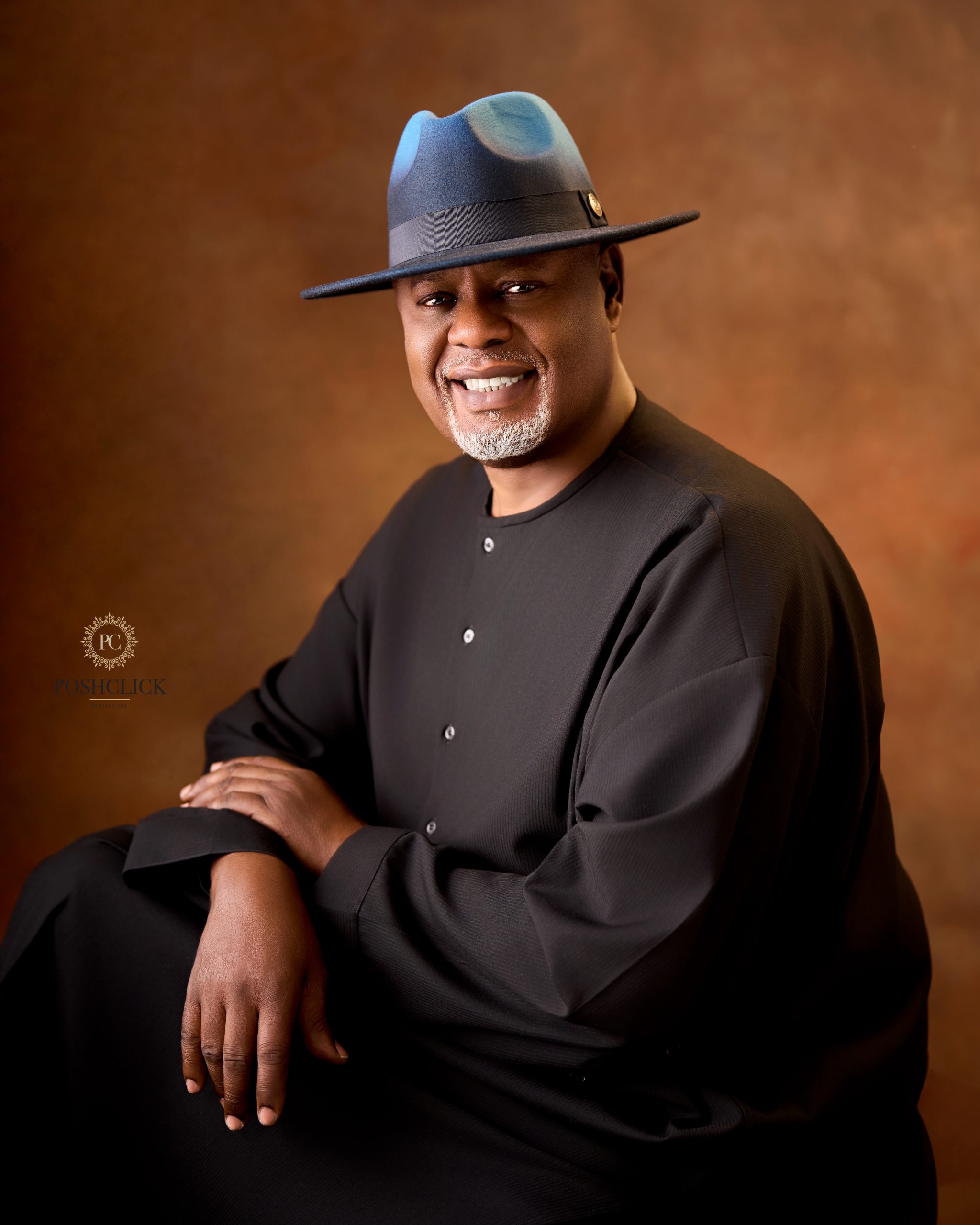
Succession, in my opinion, is not about family. Succession is the ability to put a business together that can be owned by a family, but not necessarily run by a family. But more importantly, a business that can be run by anybody. So, if you have built a business that takes care of you and then gives you some returns by reason of ownership, why do you want to own the business? Why would you want to be the alpha and omega? Some of us parents want our children to leave everything, their dreams, their potentials, and come and run our business. It is wrong. Give your children the opportunity to choose whether they should come into your business or not, and if they decide to come, like in my own case, then you are very blessed.
Any project in the pipeline, or have you fully stepped back?
(Laughs). I am slowing down, but when there is a need to bridge the gap, I will spring up. We have established a CNG plant located in Otorogu in Delta State. I am commissioning some projects as part of the commemoration of my birthday in February. I am commissioning an ultra-modern automobile Hub in Benin City, incorporating a CNG conversion centre and electric vehicle charging station. It will have a new vehicle dealership shop and a modern alignment machine section. A one-stop shop. In Port Harcourt, I am going to be commissioning Eaglewatch Security’s new headquarters. So, these are the projects for the commemoration of my birthday.
How does festivity or unwinding fit into your evidently crowded schedule?
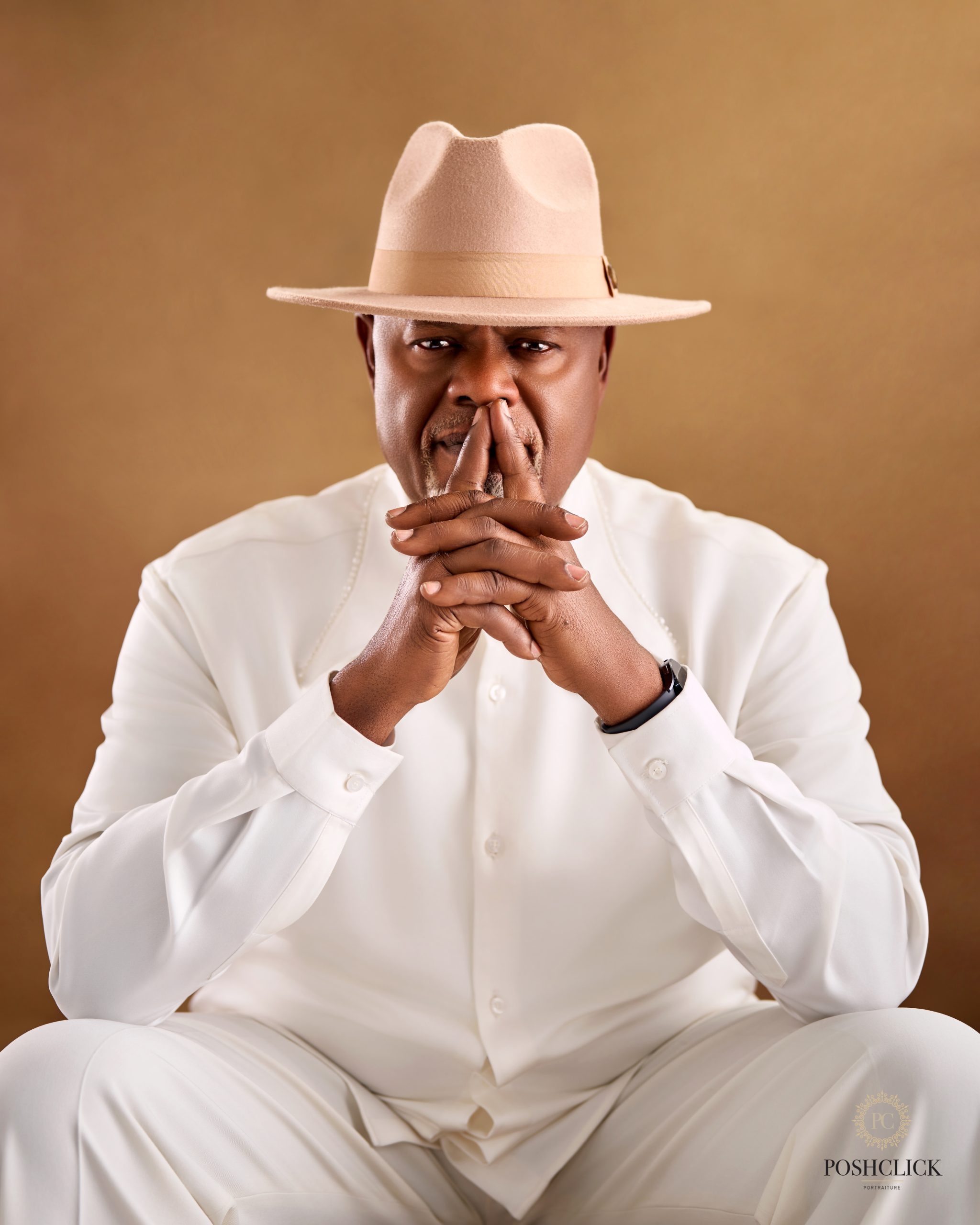
My hobbies are dancing and working. That is my way of relaxing. A lot of people will go to the gym to exercise, but that is my own way of exercising. In the coming years, I am going to be spending a bit more time on non-business activities, and I will increase the frequency of my cruising around the world and spend more time with my children in their respective locations.