 Follow Us on Google News


 Follow Us on Google Discover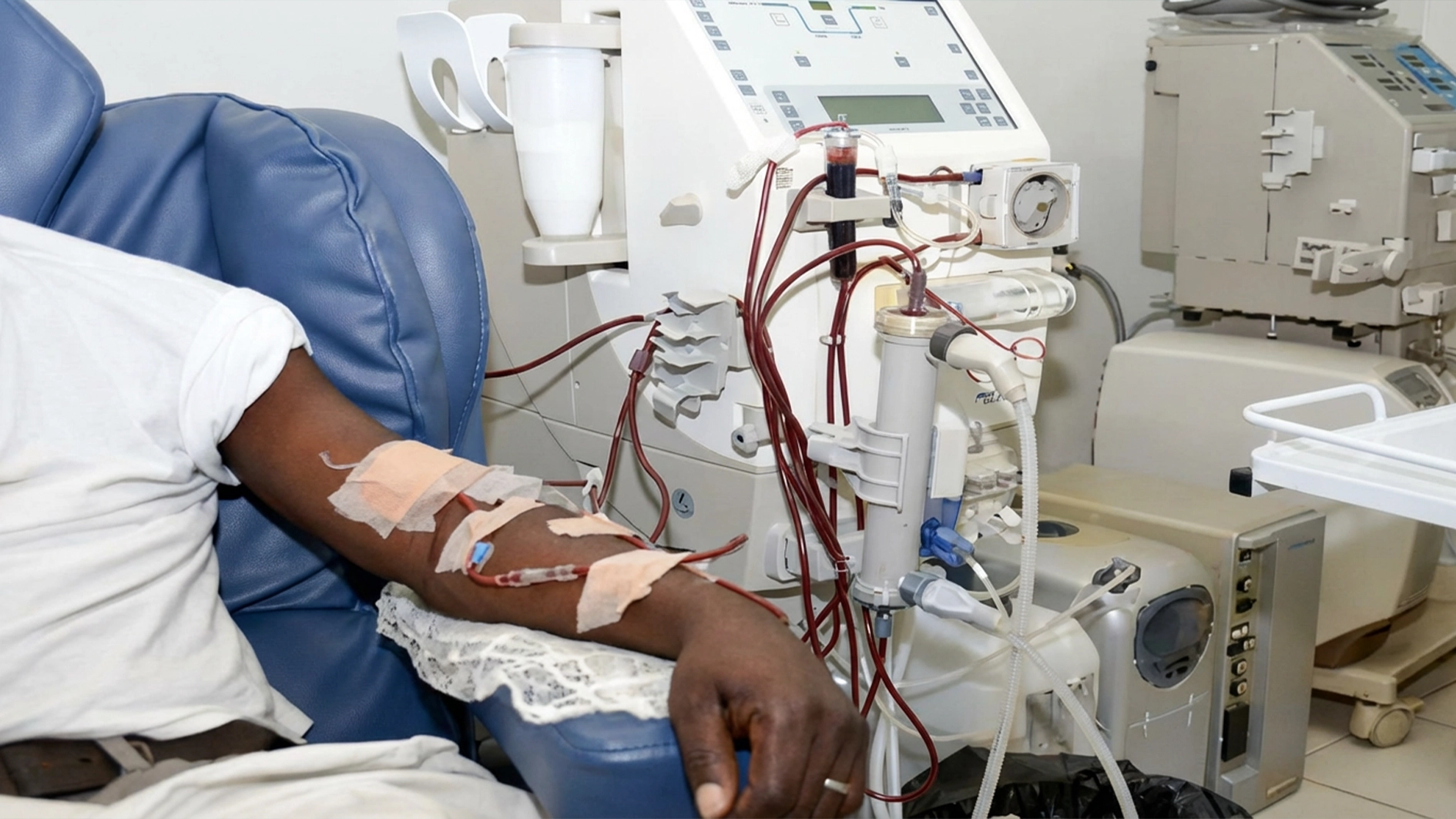
The Nigerian Association of Nephrology (NIAN) has warned that no less than 10 per cent of Nigerians (approximately 24 million) are currently living with chronic kidney disease, raising great concerns over a rapidly growing public health burden to the country.
The President of NIAN, Prof. Olugbenga Awobusuyi, raised the alarm on Tuesday at the 38th Annual General Meeting and Scientific Conference (AGMSC) of the Association held in Maiduguri, Borno State.
He lamented that the rising prevalence of kidney disease has become “a matter of serious national concern,” stating that kidney-related conditions require urgent and sustained attention at all three tiers of government across the entire federation.
Prof. Awobusuyi further revealed: “During our discussion at today’s conference, it was confirmed that chronic kidney disease affects about 10 per cent of Nigeria’s adult population, a figure that reflects the scale of the emerging healthcare crisis in the country.”
He added that when detected early, a lot can be done to manage the rising cases of kidney diseases.
“The real problem arises when it is not identified on time. Treatment then becomes extremely expensive, often pushing families into catastrophic situations and worsening the condition,” the professor warned.

The nephrologist called on the 36 State governments to establish more dialysis centres, arguing that the Federal health facilities alone are not enough to meet the current demands of kidney patients in Nigeria.
He lamented that, while Nigeria has over 200 functional dialysis units, only about 800 dialysis machines are operational nationwide—far short of the number needed to address the growing caseload.
He, however, commended States that have already established dialysis centres to support patients battling kidney disease.
Awobusuyi said the conference has served as a platform to bring together key stakeholders—government officials, health workers, civil society groups, traditional rulers, and journalists—to improve public awareness and discuss strategies to strengthen kidney care across various hospitals in Nigeria.
He added that tackling the chronic kidney situation would require confronting long-standing gaps in the health system, strengthening early detection mechanisms and building a more coordinated national response.
The participants at the conference also reviewed new trends in kidney care, recent research, particularly in the Nigerian context, and wider public health challenges associated with what he described as managing kidney disease across the country.

