 Follow Us on Google News
 Follow Us on Google Discover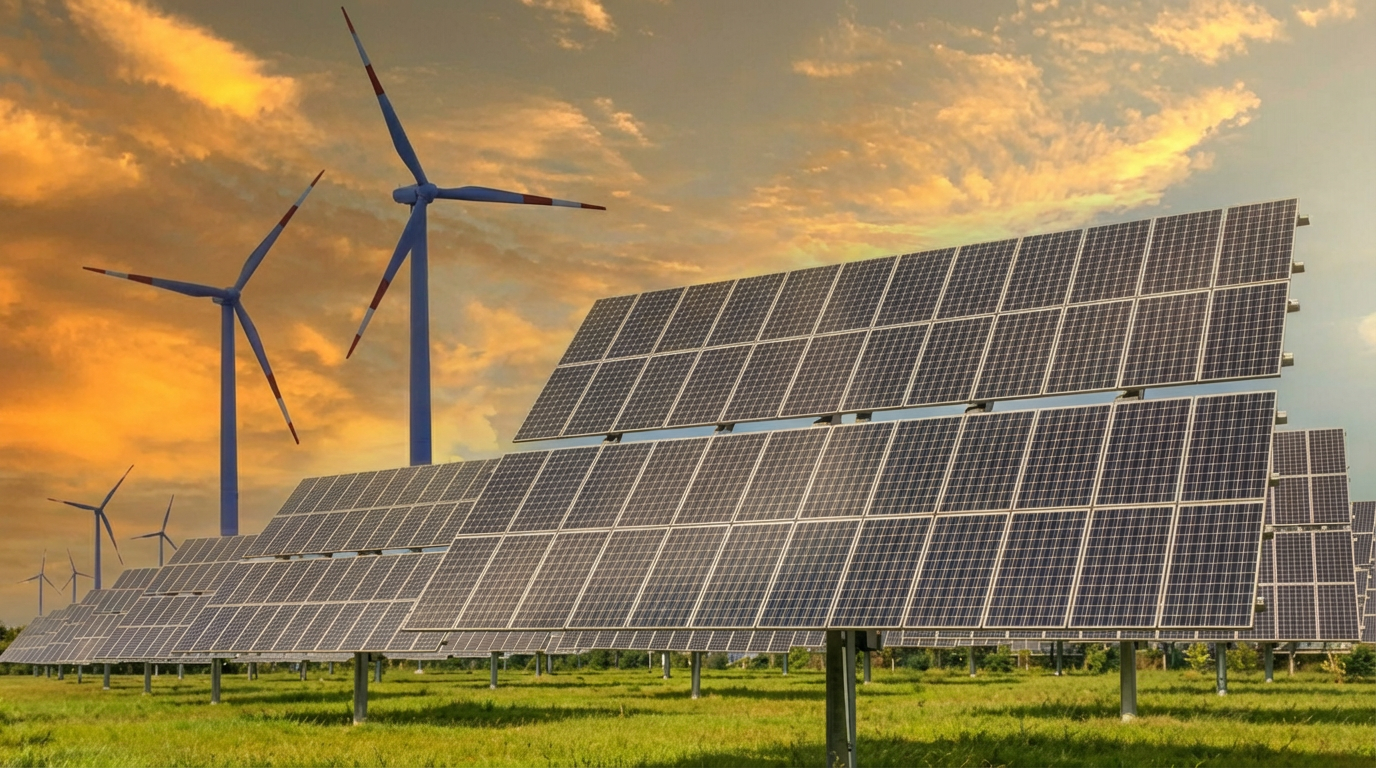
After decades of unreliable supply and near-total darkness, Rubochi and Ikwa communities in Kuje Area Council of the Federal Capital Territory (FCT) were yesterday connected to a combined 1 megawatt solar mini-grid.
The development, which followed a partnership between the Federal Government and the Republic of Korea, has been described as a move that signals a deeper shift in Nigeria’s rural electrification strategy.
The Korea Energy Project, delivered as an in-kind Official Development Assistance (ODA) grant to Nigeria’s renewable energy sector, has been implemented by the Rural Electrification Agency (REA).
The project comprises a 900 kilowatt-peak (kWp) solar mini-grid in Rubochi and a 100kWp installation in Ikwa, now supplying clean and stable electricity to an estimated 4,000 households, businesses, schools and health centres.
Managing Director of the REA, Abba Aliyu, described the commissioning as “far more than the unveiling of infrastructure,” calling it “the activation of opportunity, productivity and dignity for thousands of Nigerians.”
According to him, the intervention was designed as an integrated energy solution, combining solar generation, modern distribution networks, advanced metering infrastructure and household-ready installations that allow immediate productive use of electricity.

Aliyu noted that with a centralised energy management system installed at the REA headquarters in Abuja, the agency would be able to conduct real-time performance monitoring and provide remote technical support to the Renewable Energy Service Companies (RESCOs) responsible for operations and maintenance.
Minister of the FCT, Nyesom Wike, said rural infrastructure, including roads, bridges and lighting, had received “massive attention” under the current administration.
First Secretary of the Embassy of the Republic of Korea, Tak Namgung, reaffirmed his country’s commitment to renewable energy deployment and rural advancement, describing the commissioning as a concrete step in deepening Korea–Nigeria relations.
He revealed that the Embassy and KOICA have supported various community-focused development initiatives across the country.
The community leader, Ibrahim Pada, said that moribund institutions and businesses are being restored through the project.

