GDN SIDEBAR
Social media may be joking that “we are all Chinese” now, but the lifestyle lessons are serious: clean your space, protect your energy, drink warm things, move gently, and start again without panic. Borrowing from Traditional Chinese Medicine and New Year symbolism, here’s my practical reset for 2026 focused on warmth, balance, steady momentum, and simple rituals that support the body.
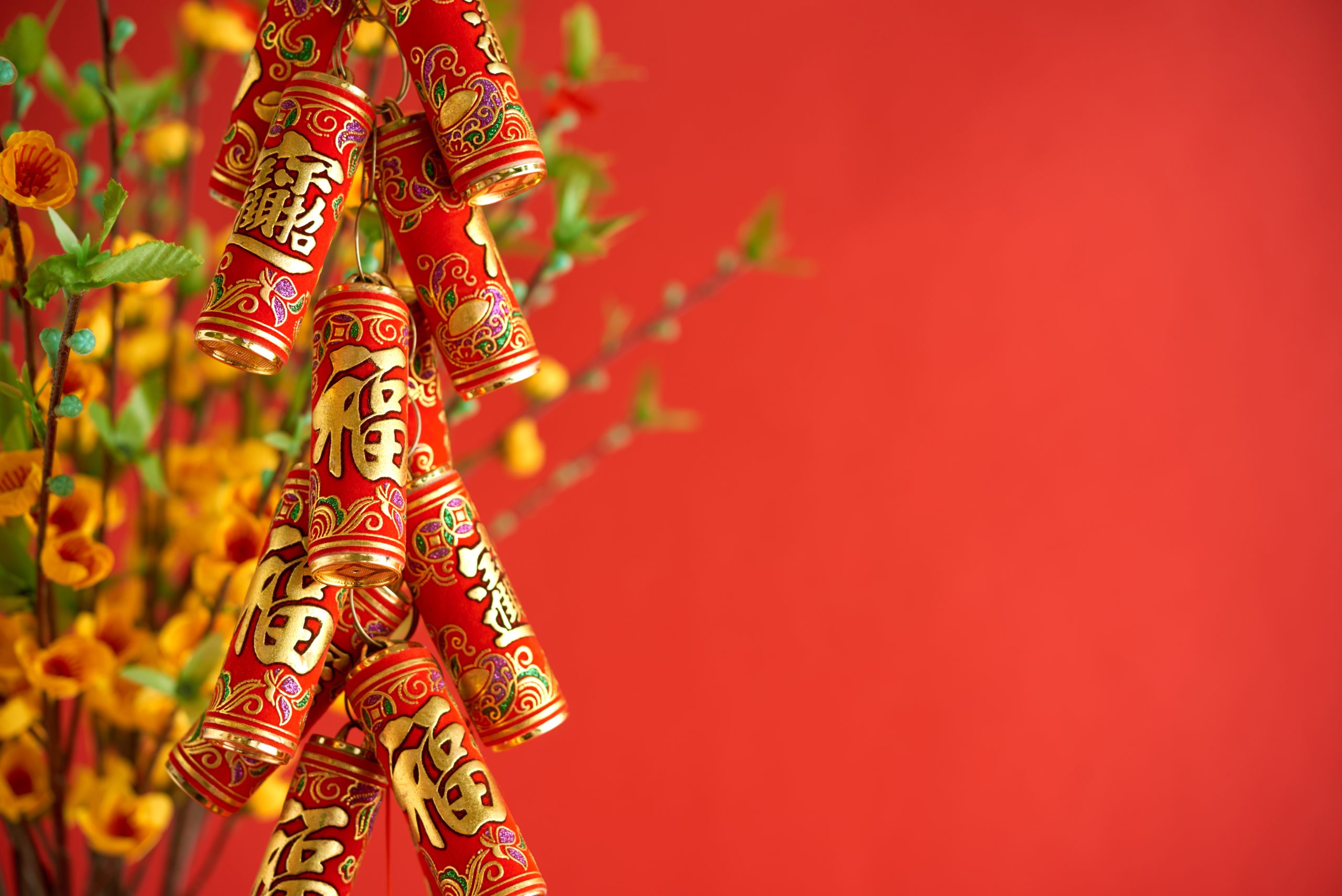
For the past few weeks, my social media feed has been quietly replete with Chinese creators offering calm, practical advice on how to enter the New Year properly. In China, the new year begins on February 17. The tips started as small, almost boring instructions: drink warm tea, clean your space, don’t rush into noise. But somehow, that has turned into a global moment that ‘makes’ everyone “Chinese”.
Beyond the jokes, something about this moment feels right. It is not the aggressive “new year, new me” energy that demands instant transformation by January 2. It is softer and more body-led. Clean your space. Close your loops. Protect your peace. Feed yourself properly. Move gently. Begin again without panic.
Let me be clear: I’m not pretending I have a PhD in traditional Chinese medicine. Rather, this is me borrowing what makes sense: warmth, stability, steady routines, symbolic closure, and the idea that how you enter a season matters. If you’ve been feeling like 2026 hasn’t started properly, consider this your permission slip. Welcome to the beginning of another year. You are now Chinese.
REGULATE YOUR BODY THIS YEAR
A lot of us keep trying to “think” our way into a better year. But if your body is dysregulated — tired, tense, cold, overstimulated, underfed — everything feels like a threat. Even good news. Even opportunity.

That’s why the pieces of advice offered by the Chinese creators have felt so human to me. The goal isn’t to become a new person overnight. The goal is to become steady.
So here’s the framework I’m using now that I’m newly Chinese and to have a lucky 2026.
-
Clear your space
In Chinese New Year traditions, cleaning is a way of release, making room, and telling your environment that, “We are not carrying old dust into new days.” Deep clean before the New Year. Clear clutter and discard what no longer serves you. Fix and replace broken things, literal and metaphorical (stagnant energy has a way of breeding laziness). Refresh your entryway and front door; wipe the door, handle, and doorbell; and remove clutter around the entrance. The symbolism is simple: if “luck” is meant to enter, don’t block the doorway with chaos.
Then, for the first day or two, people traditionally avoid heavy sweeping or taking out the rubbish. Your house won’t explode if you do, but the symbolism is “don’t sweep out your good fortune as it arrives.”
-
Close old loops before the Chinese New Year
One thing I’ve noticed about this “newly Chinese” advice is how much it emphasises closure. It’s hard to enter a new season when you’re dragging unfinished business behind you like a nylon bag. So, where possible, pay debts, or at least organise them and make a plan. Respond to overdue messages. Apologise where you need to. Finish small, lingering tasks you keep dodging.
A popular tradition also says: don’t lend or borrow money on the first day of the New Year. Lending symbolises money flowing out, borrowing symbolises starting the year in debt. Whether or not you believe it spiritually, it’s a useful prompt.
-
Protect the emotional tone of day one
In many Chinese New Year customs, the first day is treated like a “tone-setter.” The belief is simple: what you feed at the beginning echoes throughout the year. So, avoid unnecessary drama. Don’t start fights. Don’t go hunting for conflict. And definitely don’t carry other people’s chaos like it’s a family assignment.
This also includes language. Treat words like seeds. Be careful what you keep saying, even as a joke. If you want a steadier year, stop planting “broke”, “unlucky”, “my life is hard”, “everything is spoiling” into every conversation. You don’t need fake positivity. You just need cleaner speech.
-
Start warm and upgrade your health
One of the loudest themes in this Chinese reset is warmth: warm food, warm drinks, warm body, warm feet, warm movement. And honestly, it has changed the way I see “self-care.” Warmth is both comfort and regulation.
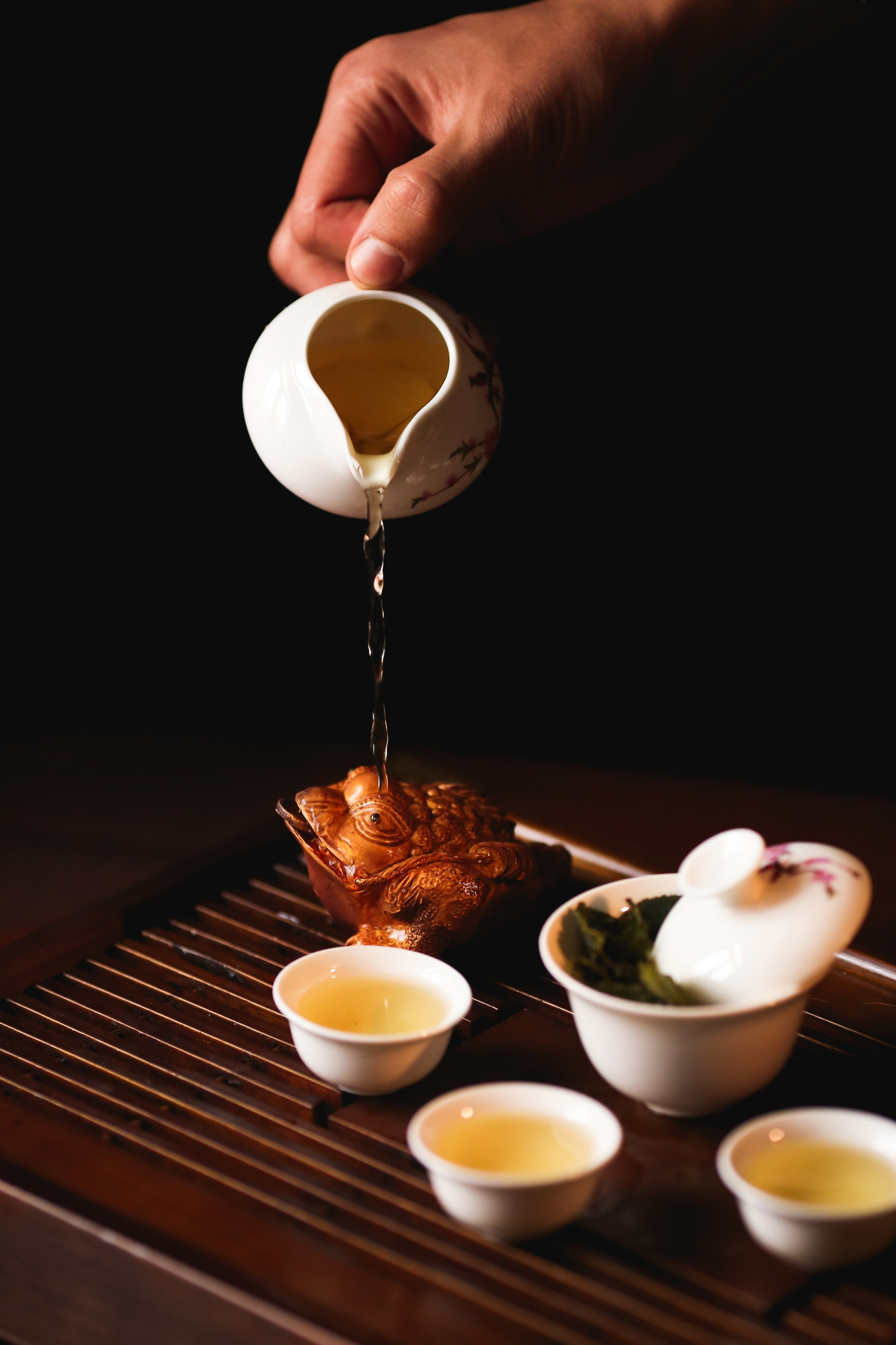
Instead of iced everything, start your mornings with something hot and gentle: warm water, warm lemon water, tea, or broth. Drink anything that tells your system, “We are not rushing.” Symbolically, warmth invites steadiness. Practically, it helps you slow down and choose better.
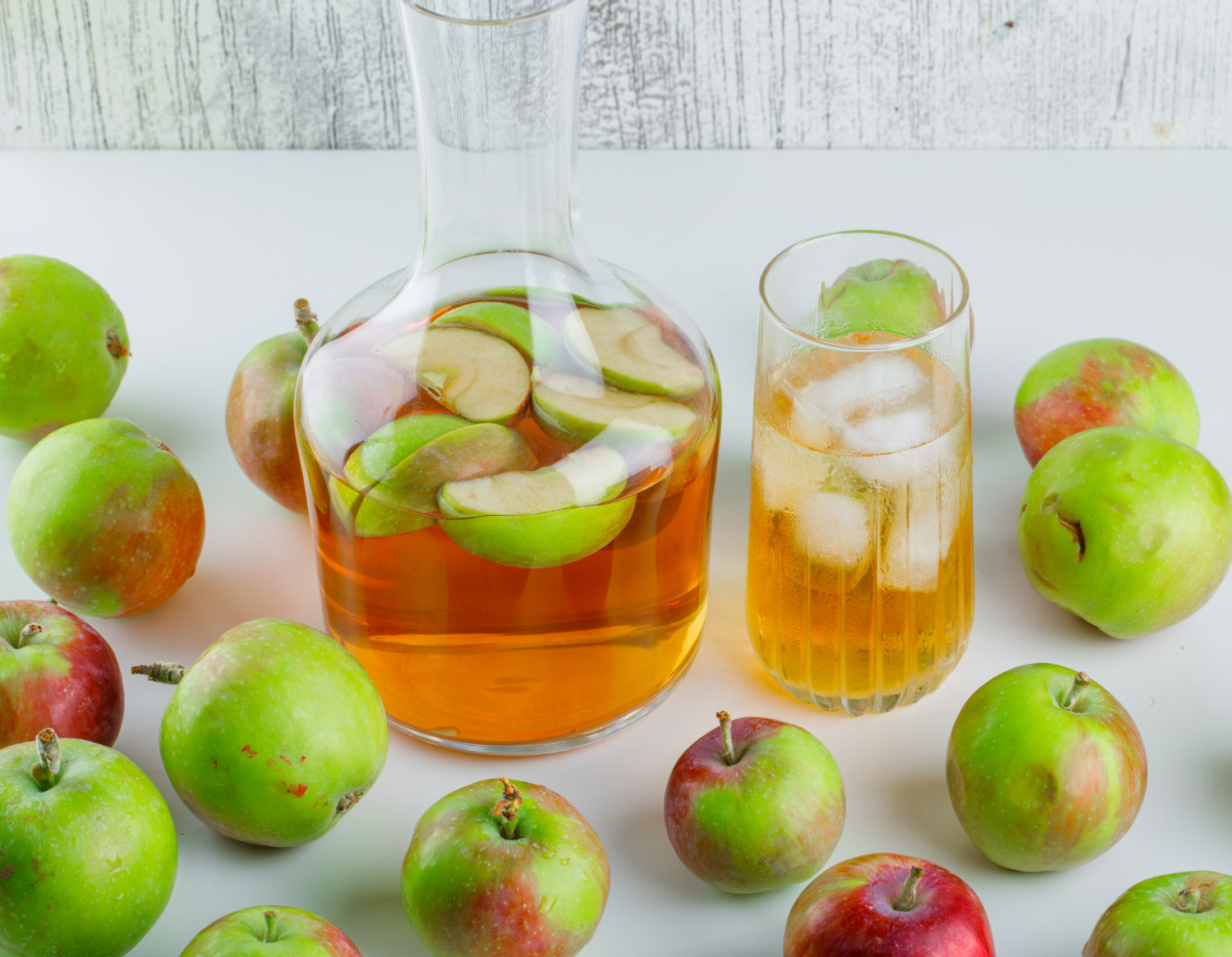
And because I am officially a newly minted Chinese baddie, here’s one ritual I’m adopting: boiled apples. Boil cubed red apples for about five minutes (you can add pineapple, strawberries, or pears). Add goji berries at the end. For me, I’ll be boiling apples with a couple of cloves and cinnamon. Then add a little honey after it’s boiled. Drink the warm liquid, and eat the apples too, because we Chinese people do not waste food.
-
Eat the way you want your life to feel
Food is a huge part of the New Year symbolism, but the lesson underneath it is balance: abundance without excess and nourishment without chaos. The symbolic foods are also very straightforward, and I love that. Dumplings, shaped like old gold ingots, symbolise wealth. Fish, whose word in Chinese is linked to surplus, symbolises abundance. Noodles symbolise long life. So eat, but don’t cut them, on New Year’s Day. Oranges signal prosperity (bonus points if they still have leaves). Sticky rice cake symbolises family “sticking” together, growth and “rising” energy. Leafy greens are a symbol of renewal and fresh starts.
There’s also the “don’t eat congee/porridge on the first day” tradition because it has historically been associated with hardship and poverty. Take it as symbolism. If oats are what keep you stable, please eat your oats. The point is simply to start your year with food that feels like strength, not scarcity.
MY “NEWLY CHINESE” ROUTINE FOR A STEADIER YEAR
This is the part I’ve enjoyed most: building a steady rhythm.
Daytime (warm morning, slow, regulated)
Wake up slowly. Do Qigong exercises for five to 10 minutes to open the body. Do one-minute lymphatic hops (yes, it looks silly; yes, it helps). Wear slippers always, even around the house. Socks, if possible. No barefoot suffering. Warmth is the agenda.
Drink warm lemon water, boiled apple water, or goji berry tea. Bathroom first thing in the morning. It helps to do a light belly or lymphatic massage. Let sunlight hit your face in the morning. Do a short meditation or breathwork session before the day gets loud.
Evening (downshift, digest, soften)
Eat a lighter dinner if you can manage it. Take an outdoor walk after your evening meal. Do breathwork to signal rest. Get 8 hours of sleep in the dark.
I’ve also seen a popular TCM rhythm online that people follow loosely: a nourishing breakfast in the morning, the biggest meal around midday, and lighter food in the evening. Again, take what helps, and leave what doesn’t. The point is consistency, not perfection.
FIRE HORSE ENERGY NEEDS A CALM FOUNDATION
If the 2025 Year of the Snake felt inward, heavy, and survival-focused, the 2026 Fire Horse energy people keep talking about is the opposite: bold, fast, expressive, demanding. It favours movement and stability.
But fast energy will expose weak foundations. If you enter it with a fragile body, unresolved stress, and chaotic routines, you won’t feel “energised.” You’ll feel overwhelmed.
So my rule is simple: pick one clear intention. Not ten resolutions; choose one direction. Then build momentum through small, steady rituals that keep you warm and stable enough to actually move.
Happy New Year, my fellow Chinese péngyǒu.